

0
+

Loading ...
Located in the lush, green landscape of Sri Lanka, Maduwanwela Walawwa stands as a grand symbol of the island’s colonial history. This colonial mansion, also known as a “Walawwa” (a traditional Sinhala term for a large ancestral house), is one of the most significant historical landmarks in the country. Built during the Dutch colonial period in the 18th century, the mansion has witnessed centuries of Sri Lankan history, from the colonial era to the post-independence period.
Today, Maduwanwela Walawwa is not only an architectural marvel but also a treasure trove of history, culture, and heritage. Whether you are a history buff, architecture enthusiast, or a curious traveler, visiting Maduwanwela Walawwa offers a rare opportunity to step back in time and experience the grandeur of Sri Lanka’s colonial past.
In this blog post, we will take you on a journey through the history, architecture, and cultural significance of Maduwanwela Walawwa, and why it’s a must-visit destination in Sri Lanka.


Safari Experiences That Keep Tourists Coming Back
Maduwanwela Walawwa was originally built by the influential Maduwanwela family during the Dutch colonial era in the 18th century. The family, who were part of Sri Lanka’s aristocratic elite, played a significant role in the island’s political, social, and cultural landscape. The mansion was constructed to serve not just as a residence, but as a status symbol of the family’s wealth, power, and social prominence.
After Sri Lanka came under British colonial rule in the 19th century, Maduwanwela Walawwa continued to be an important symbol of Sri Lankan aristocracy. Over the centuries, it remained a center of local political activities and has been associated with the local nobility and high society.
In the early 20th century, however, the mansion began to decline in use as political dynamics changed and Sri Lanka moved toward independence. Despite its gradual abandonment, Maduwanwela Walawwa continues to stand as a testament to the grandeur of colonial-era Sri Lanka.
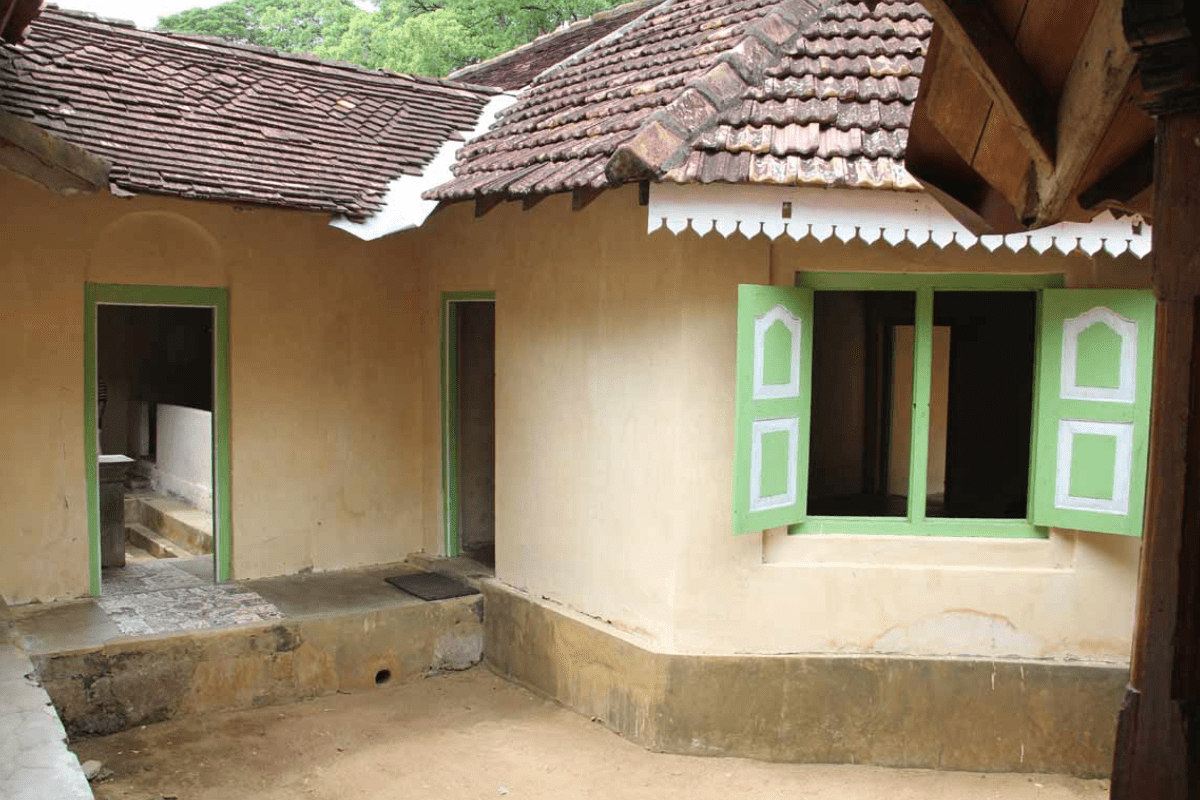
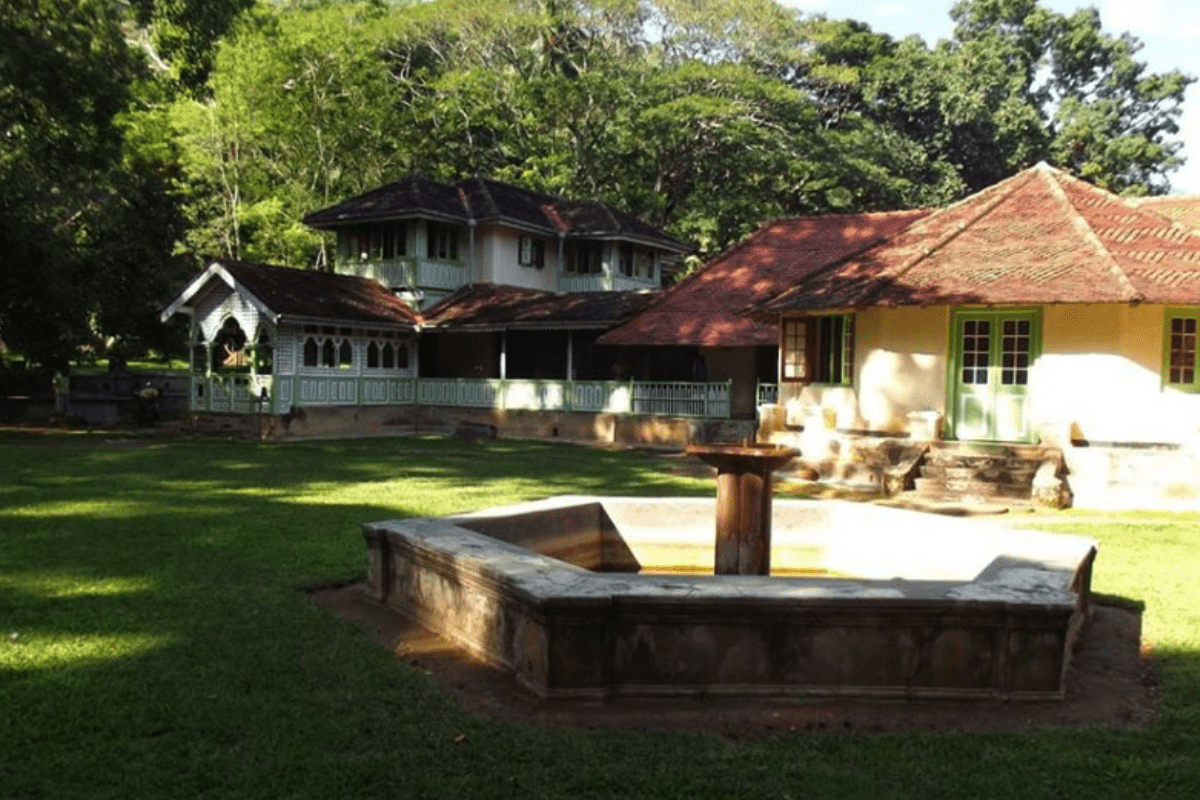
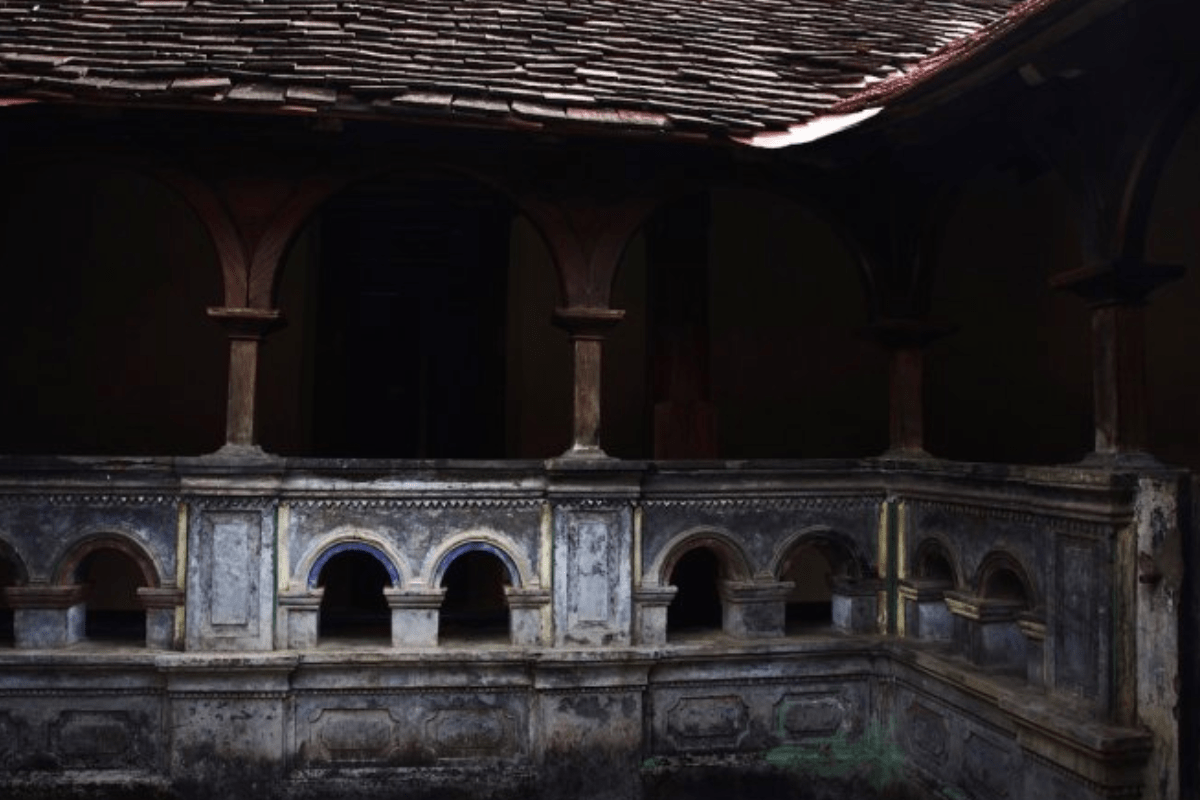
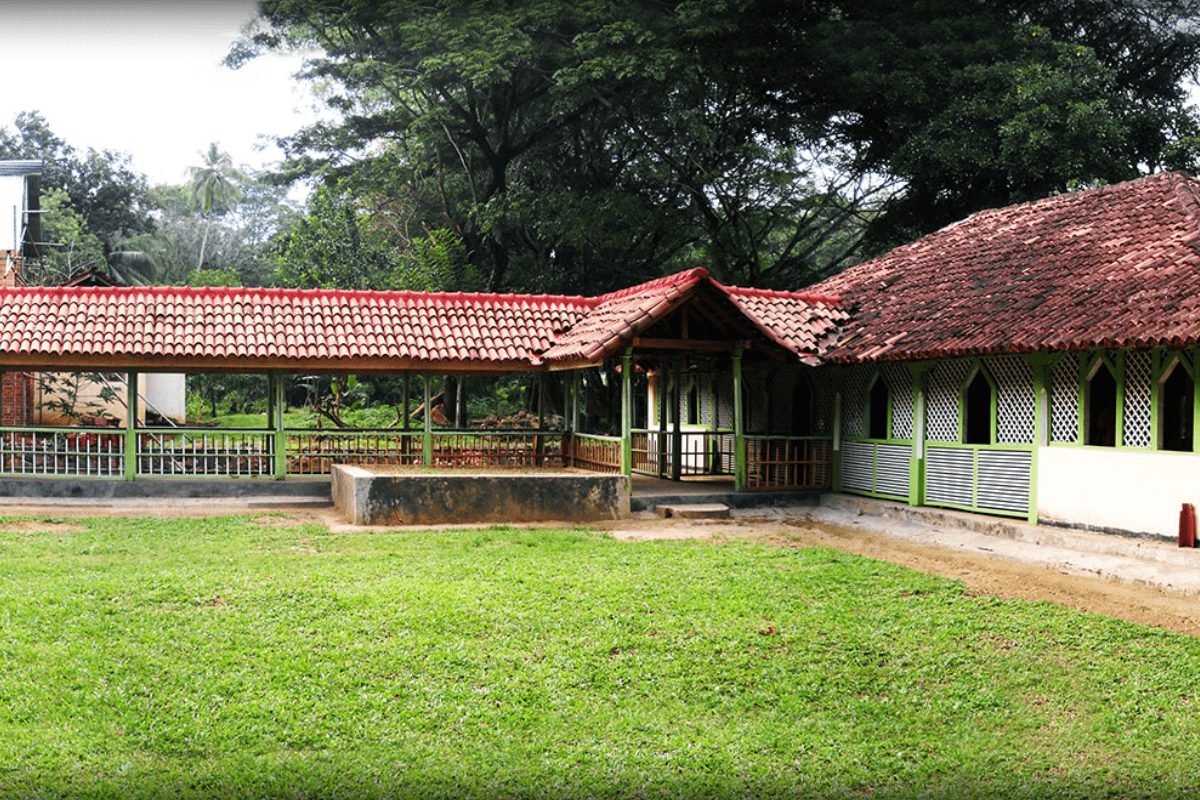
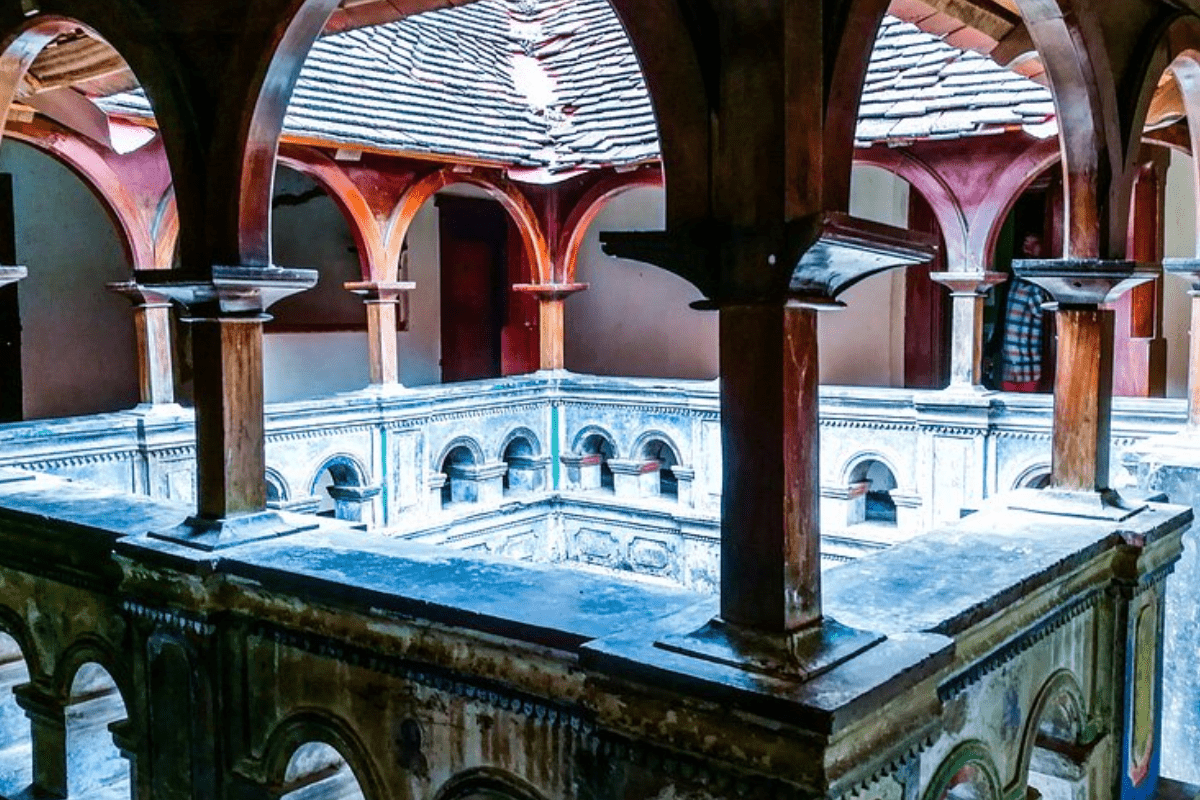
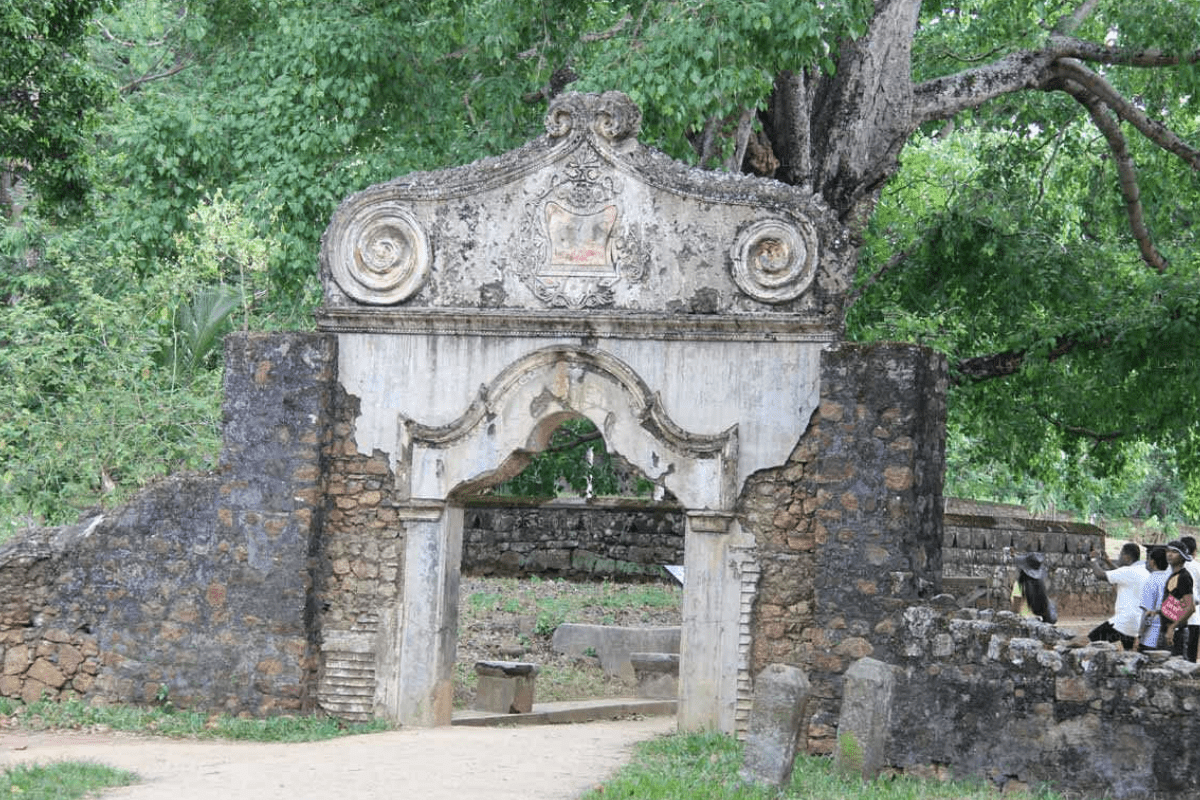
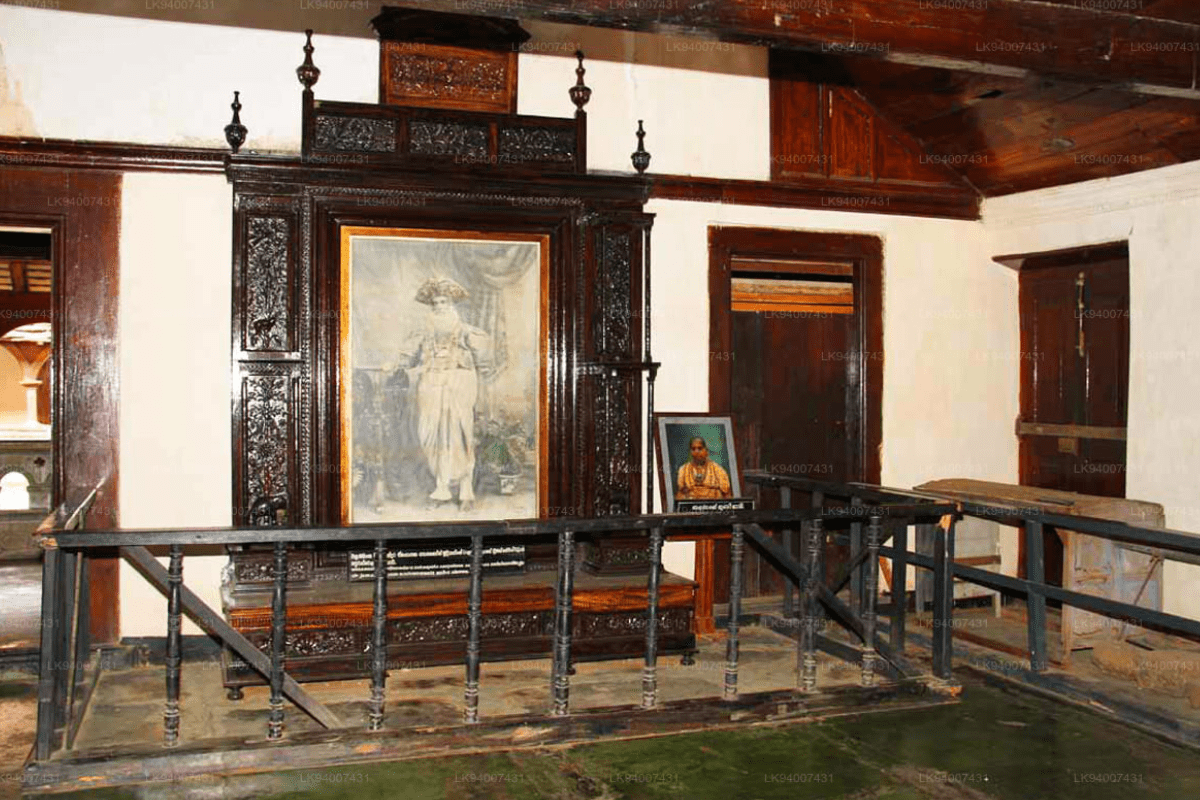
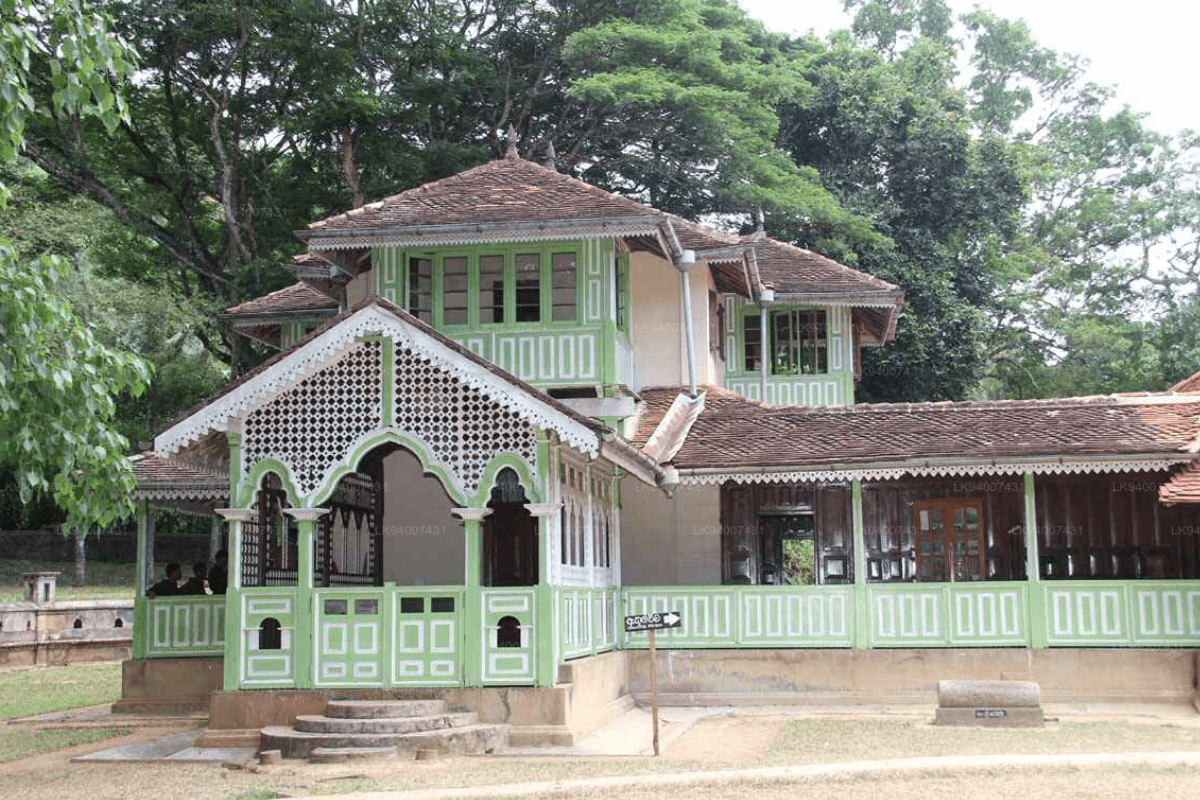
The architecture of Maduwanwela Walawwa is a perfect blend of Dutch and Sinhala styles, reflecting the fusion of cultures that occurred during the colonial period in Sri Lanka. The mansion is an excellent example of colonial architecture, featuring:
The structure is built in a traditional “Walawwa” style, with expansive verandas, large rooms, and intricate wooden carvings. The Dutch influence is evident in the design elements, such as large windows with wooden shutters, high ceilings, and the use of timber for construction. The layout of the mansion is designed to suit the tropical climate of Sri Lanka, with ample ventilation and natural light.
One of the most striking features of the Maduwanwela Walawwa is its expansive balconies and verandas. These open-air spaces are perfect for relaxing and taking in the beautiful views of the surrounding landscape. The design allows the family to enjoy the natural beauty of the area, and the elevated balconies offer a panoramic view of the lush surroundings.
In addition to the Dutch colonial elements, the Sinhala influence is seen in the intricate woodwork and stone carvings that adorn the mansion. The arched doorways, colonnaded halls, and the traditional pandanus (thatched) roof highlight Sri Lankan craftsmanship and the local architectural style.
The mansion is set amidst lush greenery and beautifully manicured gardens. The surrounding environment adds to the beauty of the Maduwanwela Walawwa, with towering trees, vibrant tropical plants, and serene landscapes. The mansion’s gardens were designed as a retreat, providing the residents with peace and tranquility.
Maduwanwela Walawwa is not just an architectural marvel, but also a significant part of Sri Lanka’s cultural heritage. The mansion holds cultural and historical importance because it was once the residence of the Maduwanwela family, one of the most influential noble families in Sri Lanka.
During the colonial era, Maduwanwela Walawwa was a symbol of the power and authority held by the island’s aristocracy. The family played a crucial role in the local political sphere, and the mansion was often used for important social and political gatherings. The building stands as a reminder of the social hierarchies that existed in Sri Lanka during the colonial period.
The Maduwanwela Walawwa served as a status symbol for the local elite. The grandeur of the building and the wealth of the family who resided there made it one of the most prestigious homes in Sri Lanka. Even today, the mansion represents the former nobility and aristocracy of the island.
Throughout its history, the mansion has been a hub for various cultural and social activities. The Maduwanwela family was known for hosting gatherings that celebrated Sri Lankan culture, and the mansion’s design reflects the fusion of different cultural influences, including Sinhalese, Dutch, and British elements.
If you are planning a visit to Maduwanwela Walawwa, here’s what you can expect:
Upon arrival, you will be amazed by the mansion’s historical grandeur. Visitors are often allowed to explore the large rooms, verandas, and gardens, which offer a glimpse into the life of Sri Lanka’s aristocracy during the colonial era. The mansion’s architecture provides a visual feast, with its combination of European and local designs.
There are knowledgeable local guides available who can take you through the history of the mansion and explain its cultural significance. A guided tour will offer deeper insights into the Maduwanwela family and their role in Sri Lanka’s colonial history.
With its beautiful gardens, historic interiors, and colonial design, Maduwanwela Walawwa offers plenty of opportunities for photography. The blend of lush greenery, traditional architecture, and heritage-rich environment makes it a picturesque site.
Maduwanwela Walawwa is located in the Ratnapura District, approximately 150 kilometers from Colombo. The easiest way to reach the mansion is by car or taxi, which can be arranged from Colombo or Ratnapura.
For visitors traveling from Colombo, the drive takes about 3 to 4 hours depending on traffic conditions. If you’re coming from Ratnapura, the journey is much shorter, taking around 30 minutes by car.
The ideal time to visit Maduwanwela Walawwa is during the dry season, which runs from December to April. During this period, the weather is typically sunny and warm, making it perfect for exploring the mansion and its surroundings. The rainy season, from May to October, may limit outdoor activities, but the mansion can still be visited.
Subscribe for the latest Udawalawe safari news, tips, and exclusive offers.
© 2025 Udawalawa Wild Safari. All rights reserved. | Powered by DILA