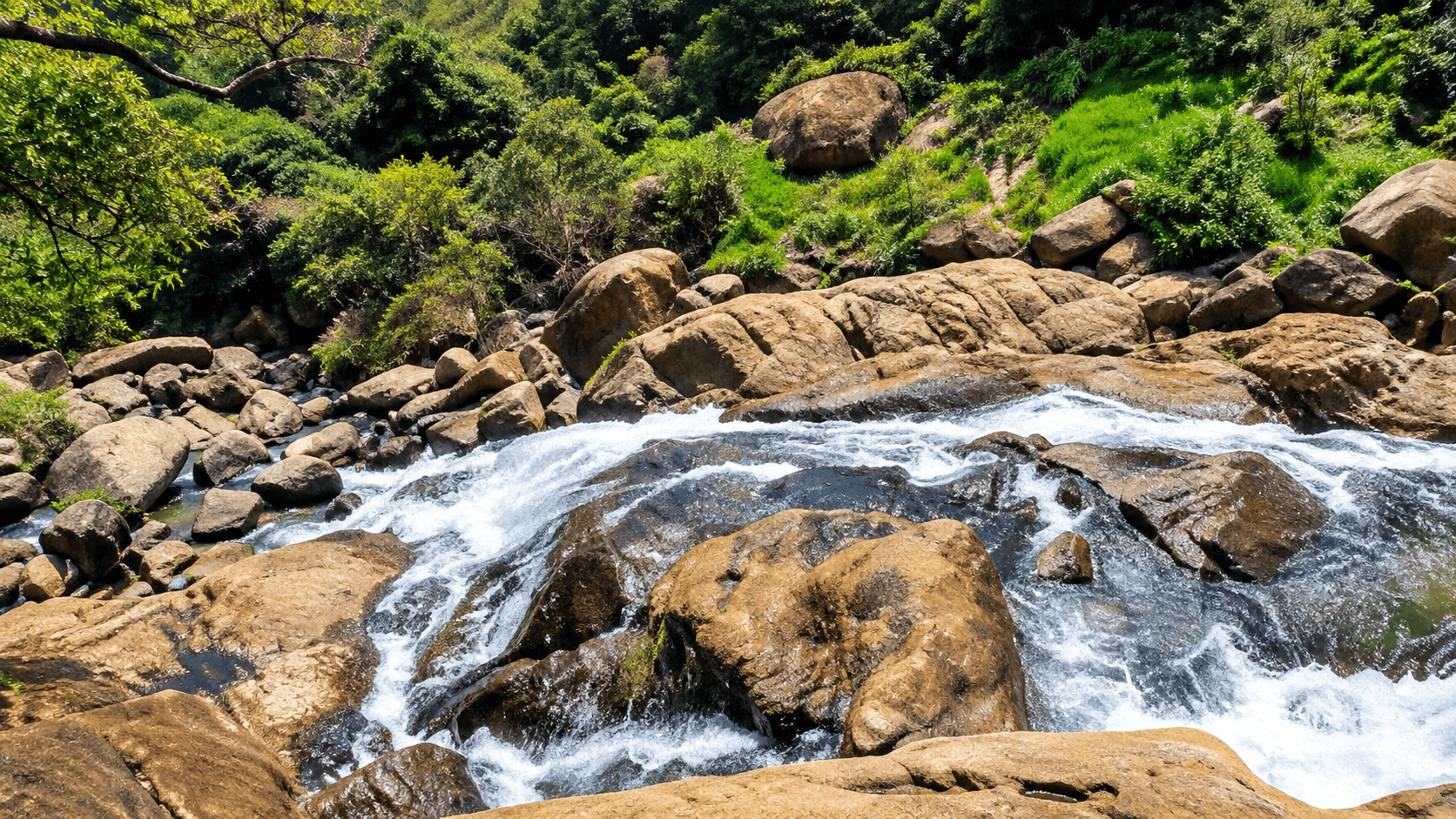
Chapter 1: The Untouched Cascades of the Kaltota Escarpment
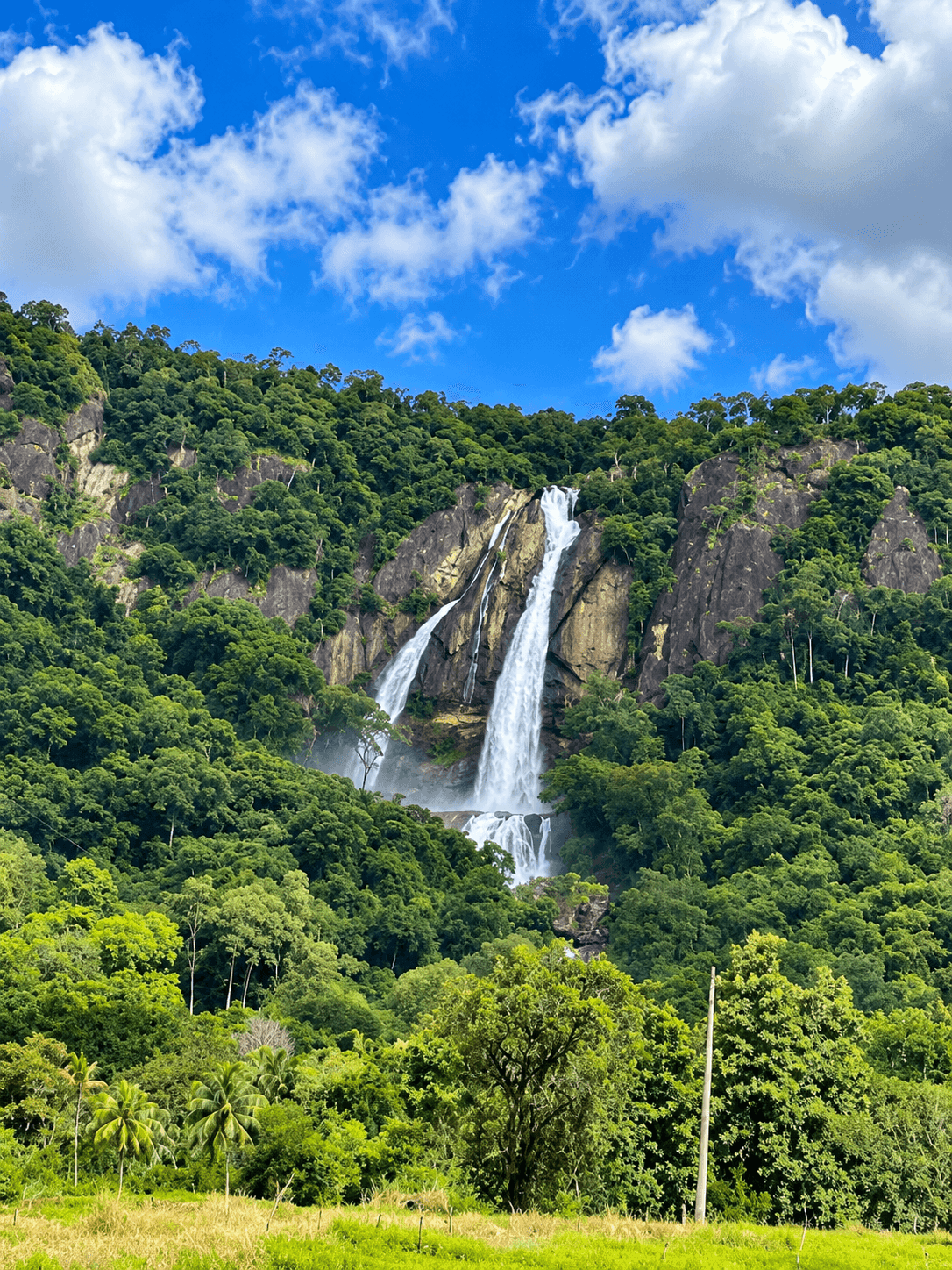
While the vast majority of international visitors journey to the Udawalawe region exclusively for overland game drives across its famous thorny savannas, relatively few travelers realize that within less than an hour's drive to the north lies a dramatically different geographic world. Rising steeply from the dry-zone plains, the dramatic southern mountain wall of the central highlands—known geographically as the Kaltota-Balangoda Escarpment—forms a colossal natural barrier of towering Precambrian cliffs, emerald cloud forests, and thundering whitewater river gorges. Tucked deep within an untouched mountain fold near the rural hamlet of Diyawinna is Diyawini Ella, an astonishing sixty-meter two-tiered cascade that remains one of southern Sri Lanka’s best-kept wilderness secrets.
For outdoor enthusiasts, adventurous couples, and nature lovers seeking an invigorating counterpoint to the dusty, sun-drenched heat of an open safari jeep, Diyawini Ella delivers a magical sensory escape. Instead of diesel exhaust, roaring engine blocks, and parched grasslands, you find yourself immersed in dense riverine rainforest, serenaded by the rushing crescendo of mountain rapids, and stepping into crystal-clear, emerald-green natural plunge pools carved into ancient bedrock. Offering uncommercialized jungle footpaths, ancient archaeological intrigue, and world-class wild freshwater swimming, Diyawini Ella represents the ultimate hidden excursion in the greater Udawalawe biosphere.
The journey to the falls is an intoxicating sensory transition. Within a forty-five-minute drive from the dry, dusty 32°C grasslands of Udawalawe, the elevation climbs steadily through the Kaltota pass. The air grows noticeably cooler and fresher, carrying the rich, oxygenated fragrance of wet earth, wild mountain ginger, and moss-draped granite. The ambient sound of highway traffic dissolves completely, replaced by the rush of cascading mountain water and the high-pitched calls of endemic forest birds.
Chapter 2: Geological Architecture & The Journey of the Diyawini Oya
To appreciate the dramatic beauty of Diyawini Ella, one must understand the unique physical geography of the Kaltota-Balangoda escarpment. The central highlands of Sri Lanka were formed through ancient tectonic uplift events that created a series of three distinct geological planation surfaces or "peneplains." The Sabaragamuwa southern escarpment marks the violent drop-off from the second peneplain (at approximately 600 to 800 meters elevation) down to the first lowest peneplain (at 100 meters elevation), where Udawalawe National Park rests.
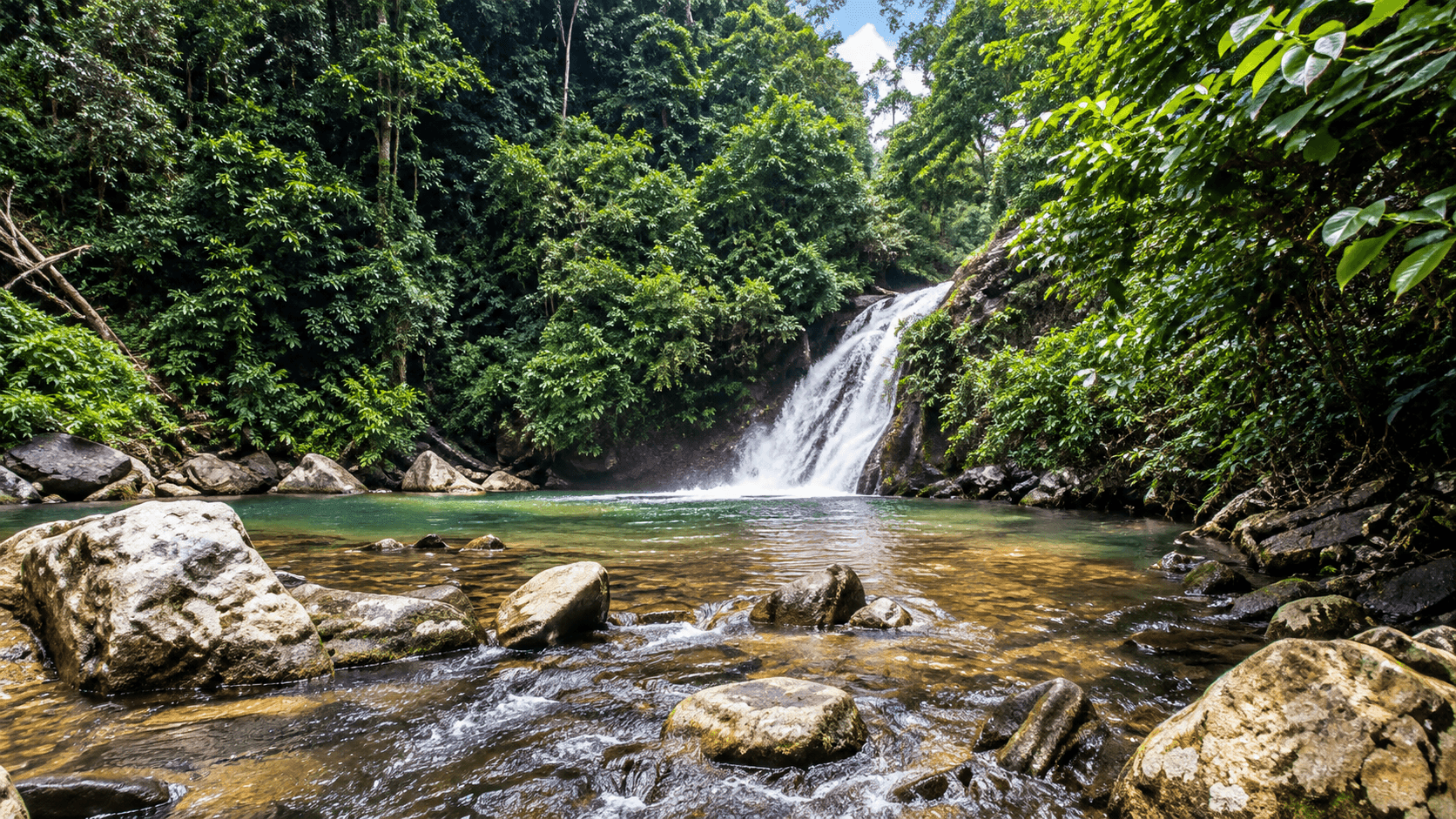
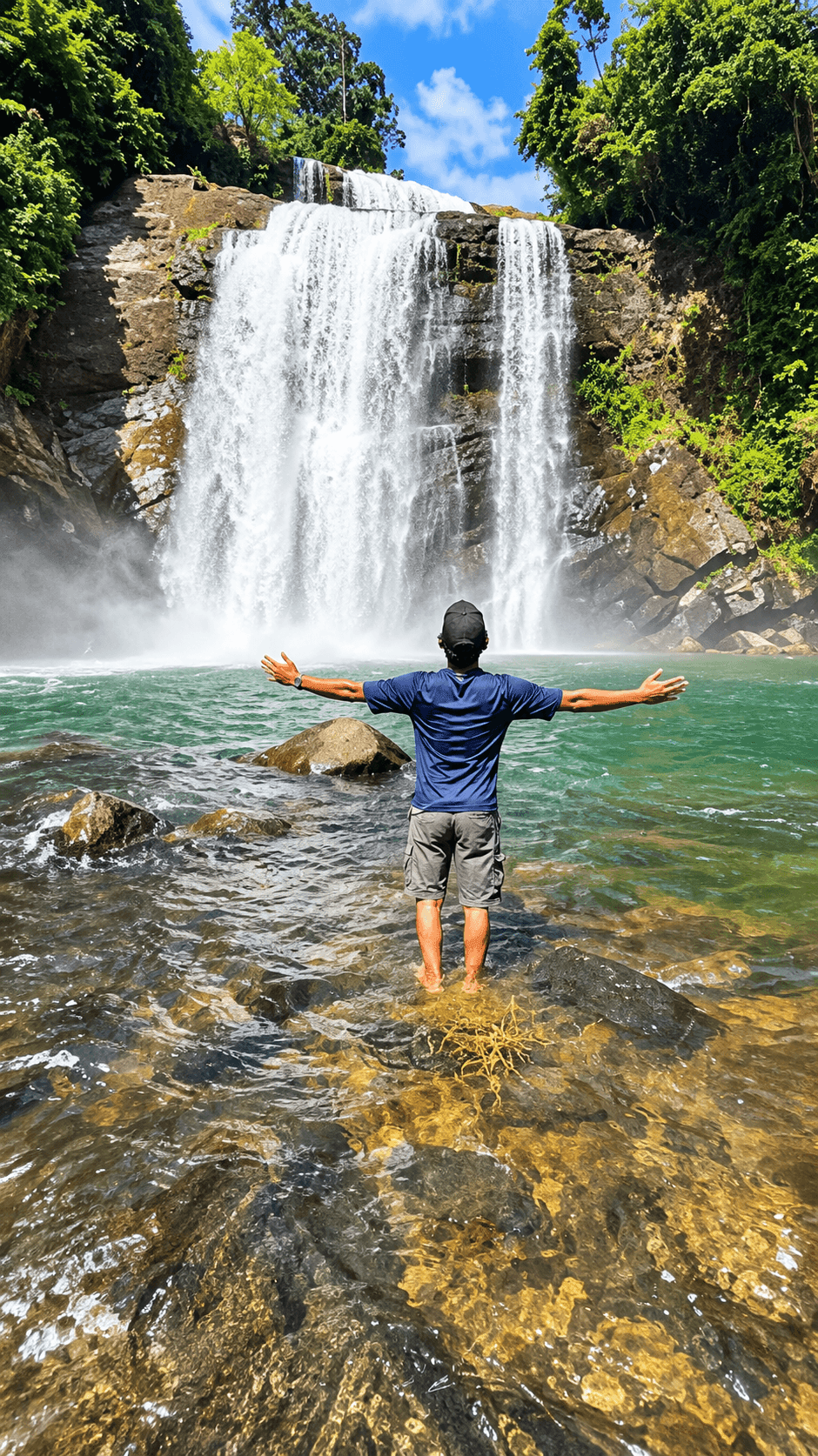
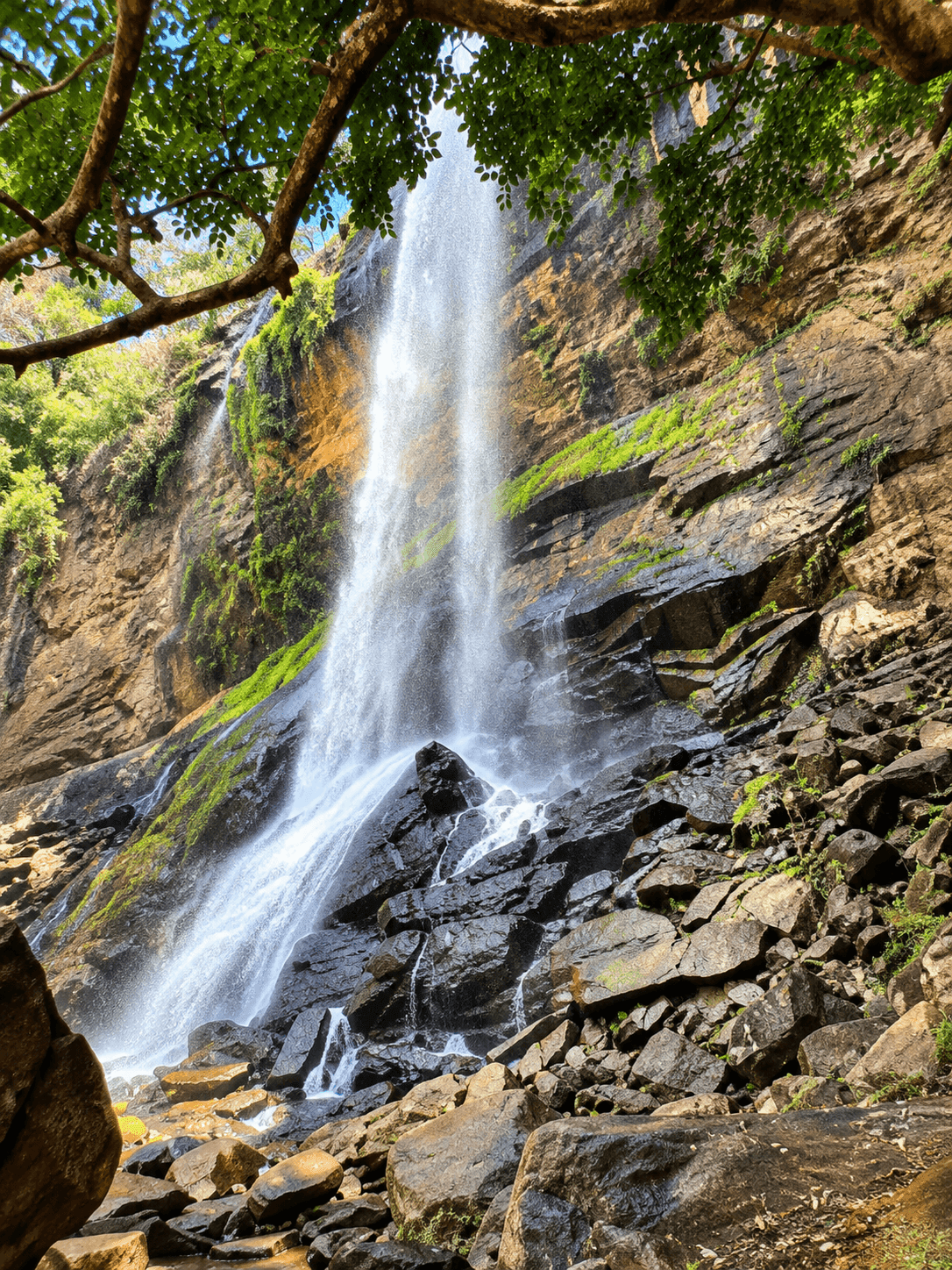
The stream that feeds the cascade—the Diyawini Oya—originates high in the cloud-forested ridges of the Dethanagala mountain range. Gathering volume from dozens of pristine subterranean mountain springs, the river flows southwest through untouched granitic ravines before encountering a sheer vertical precipice of ancient Precambrian metamorphic gneiss at Diyawini. Here, the water shoots through a narrow natural rock flume before plunging over sixty meters in two magnificent stages. The upper tier crashes violently onto a broad granite shelf, creating an ethereal cloud of fine white mist, before spilling gracefully over the lower tier into an enormous, emerald-green natural plunge pool carved deep into the bedrock over millions of years.
From the base pool, the river continues its southward journey, winding through secondary forest and agricultural valleys before eventually draining into the Walawe River and replenishing the colossal Udawalawe Reservoir. Thus, the very water that tumbles over the cliffs of Diyawini Ella is the same life-giving fluid that wild elephant herds drink later that afternoon thirty miles downstream on the safari plains.
Chapter 3: The Microclimatic Inversion of the Kaltota Valley
One of the most fascinating ecological phenomena observed around Diyawini Ella is the dramatic microclimatic temperature inversion between the valley floor and the surrounding mountain ridge. As moist, warm air masses blow northwards across the dry southern plains of Hambantota and Udawalawe, they strike the abrupt 700-meter vertical wall of the Kaltota escarpment. Forced upwards by orographic lifting, the air rapidly cools, expands, and condenses into localized mist ribbons and cumulus clouds.
Consequently, while temperatures in the savanna just twenty kilometers south can soar to 35°C under relentless tropical sun, the forested gorge surrounding Diyawini Ella rarely exceeds 24°C to 26°C. The water temperature of the plunge pool remains a crisp, rejuvenating 19°C to 21°C year-round. This localized microclimate creates a continuous humidity envelope that supports luxuriant wet-zone flora—such as giant tree ferns (Cyathea walkerae), epiphytic orchids, and delicate club mosses—that could never survive in the arid scrublands just a short drive down the mountain.
Between 1:30 PM and 3:30 PM daily, the orographic cooling reaches its peak, often causing ethereal tendrils of mountain mist to descend over the upper falls. Standing in the cool plunge pool while wisps of cloud drift through the towering forest canopy overhead is an almost mystical wilderness experience that leaves visitors spellbound.
Chapter 4: The Complete Trailhead Navigation & Trekking Route
Embarking on the trek to Diyawini Ella requires proper route preparation, as the trail is completely uncommercialized with no commercial directional signs. Implement this detailed step-by-step navigation blueprint:
1. Reaching the Village Trailhead (Kaltota Road)
From Udawalawe town, travel north along the Embilipitiya-Balangoda highway (A18). Pass through the agricultural hub of Pelmadulla and turn onto the scenic Kaltota road toward the village of Diyawinna. The drive winds through peaceful rural hamlets, terraced rice paddies, and rubber smallholdings. Park your vehicle near the designated village trailhead bridge, where local community members are always welcoming and happy to point you toward the path.
2. Phase 1: The Village Agro-Forestry Footpath (20 Minutes)
The initial segment of the hike is gentle and picturesque. The path follows a well-trodden red dirt single-track running parallel to local irrigation channels (*ela*). You will stroll beneath a lush agricultural canopy of king coconut palms, towering kitul palms (Caryota urens), jackfruit trees, pepper vines clinging to silver oak trunks, and wild vanilla orchids. Friendly local villagers harvesting tea leaves or tapping kitul flower sap for traditional jaggery will offer warm smiles and hospitable greetings.
3. Phase 2: Entering the Riparian Jungle Canopy (25 Minutes)
As you cross a rustic wooden footbridge, the domestic cultivation ceases and the wild riverine forest takes over. The trail narrows, winding through dense bamboo thickets, wild banana stands, and towering hardwood trees. The path begins a moderate incline, navigating over exposed tree roots and mossy granite boulders. Listen closely: the distant, thunderous roar of the waterfall begins to reverberate through the trees, growing louder with every hundred meters traversed.
4. Phase 3: The Granite Riverbed Scramble (15 Minutes)
The final approach is the most adventurous. The earthen trail descends directly onto the rocky riverbed of the Diyawini Oya. Hikers must execute a series of moderate boulder scrambles, stepping carefully across smooth, water-sculpted granite rocks. Sturdy walking shoes with reliable rubber grip are essential here, as wet river rocks can be deceptively slick with algae. As you round a final colossal rock corner, the jungle suddenly opens up, revealing the awe-inspiring amphitheater of Diyawini Ella crashing down before you in all its untamed glory.
Chapter 5: Flora, Fauna & The Biodiversity of the Kaltota Gorge
Because the Kaltota-Diyawini escarpment forms a vital ecological transition corridor between the southwestern wet zone and the southern dry zone, the biodiversity surrounding the waterfall is extraordinarily rich:
1. Avian Life of the Gorge
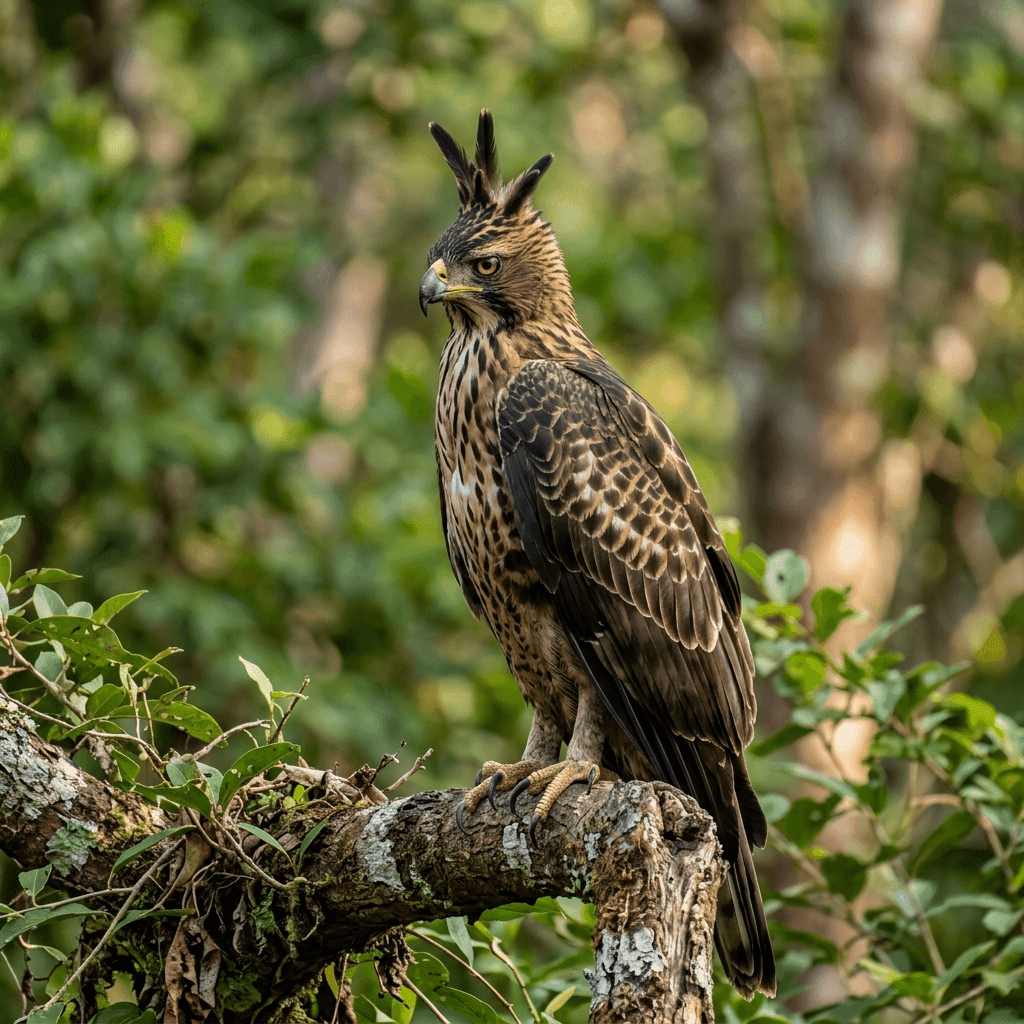
The humid forest amphitheater is a paradise for birdwatchers. Keep your binoculars trained on the canopy to spot the vibrant blue-and-orange plumage of the Common Kingfisher hunting from low branches, or the endemic Sri Lanka Hanging Parrot (Loriculus beryllinus) clambering upside down through wild fig trees. Flocks of Yellow-fronted Barbets and Orange Minivets flash through the trees, while the elusive Black Eagle (Ictinaetus malaiensis) cruises low over the forest canopy, scanning for bird nests with its broad, paddle-shaped wings.
2. Butterfly Convergence & Mineral Mud-Puddling
During warm, sunny mornings, the damp sandbars and wet rocks surrounding the base pool attract hundreds of dazzling butterflies engaging in "mud-puddling" to absorb essential sodium and mineral salts. You can observe spectacular species including the Common Birdwing (Troides darsius)—Sri Lanka’s largest butterfly, with a magnificent fifteen-centimeter wingspan—as well as the electric-blue Blue Mormon, the delicate Tree Nymph, and vibrant yellow Common Grass Yellows fluttering in living clouds of color.
3. Freshwater Endemics & Amphibians
The crystal-clear, oxygen-saturated waters of the Diyawini plunge pools harbor rare endemic freshwater fauna. Look beneath the surface into calm rock crevices to observe schools of the endemic Stone Sucker (Garra ceylonensis) and the colorful Giant Danio. Clinging to the wet vertical rock faces beside the crashing falls, specialized torrent toads and torrent frogs (Nannophrys ceylonicus) thrive in the constant spray zone, adapted to life on slippery perpendicular cliffs.
Chapter 6: Ethnobotany & Traditional Medicinal Flora of the Riverbank
The riverine corridor bordering Diyawini Oya is a veritable living pharmacy of traditional Ayurvedic and indigenous (*Hela Wedakama*) healing botanicals. For generations, traditional village healers from Balangoda and Kaltota have journeyed into this sacred valley to gather rare medicinal roots, barks, and leaves:
- Polpala (Aerva lanata): Thriving on sunlit rock fissures along the trail, this revered herb is a cornerstone of Ayurvedic renal medicine, renowned for dissolving kidney stones and purifying urinary pathways.
- Katuwelbatu (Solanum virginianum): Found on the drier margins of the lower trail, this spiny perennial herb is universally utilized in decoctions to treat chronic bronchial asthma, coughs, and respiratory inflammation.
- Venivel (Coscinium fenestratum): Clambering high into the canopy trees, the thick yellow woody vines of wild yellow vine or false calumba are harvested for their potent antibacterial and fever-reducing berberine alkaloids.
- Kitul Palm (Caryota urens): Towering above the secondary agro-forestry canopy, this multipurpose tree provides the sap that local villagers boil down into pure, smoky jaggery and treacle, as well as fiber for durable ropes.
- Wild Ginger & Turmeric (Zingiber & Curcuma spp.): The damp riverbanks are carpeted with wild ginger varieties whose pungent rhizomes release aromatic, anti-inflammatory essential oils when crushed beneath trekking boots.
Chapter 7: Prehistoric Caves & Ancient Monastic Folklore
Diyawini Ella is steeped in profound historical and mythological mystique. The surrounding Balangoda limestone and granite escarpment is world-renowned among paleoanthropologists as the homeland of "Balangoda Man" (Homo sapiens balangodensis). Skeletal remains and microlithic stone tools excavated from nearby cave complexes such as Batadombalena and Bellanbandi Palassa date human habitation in this exact valley back more than 38,000 years to the late Pleistocene epoch.
These anatomically modern hunter-gatherers utilized quartz flake tools, consumed wild banana, wild breadfruit, and hunted giant flying squirrels, freshwater crabs, and wild boar along the Diyawini riverbanks tens of thousands of years before the dawn of agriculture. Walking through these granitic corridors, one can feel the timeless presence of early human ancestors who drank from these exact waterfall pools.
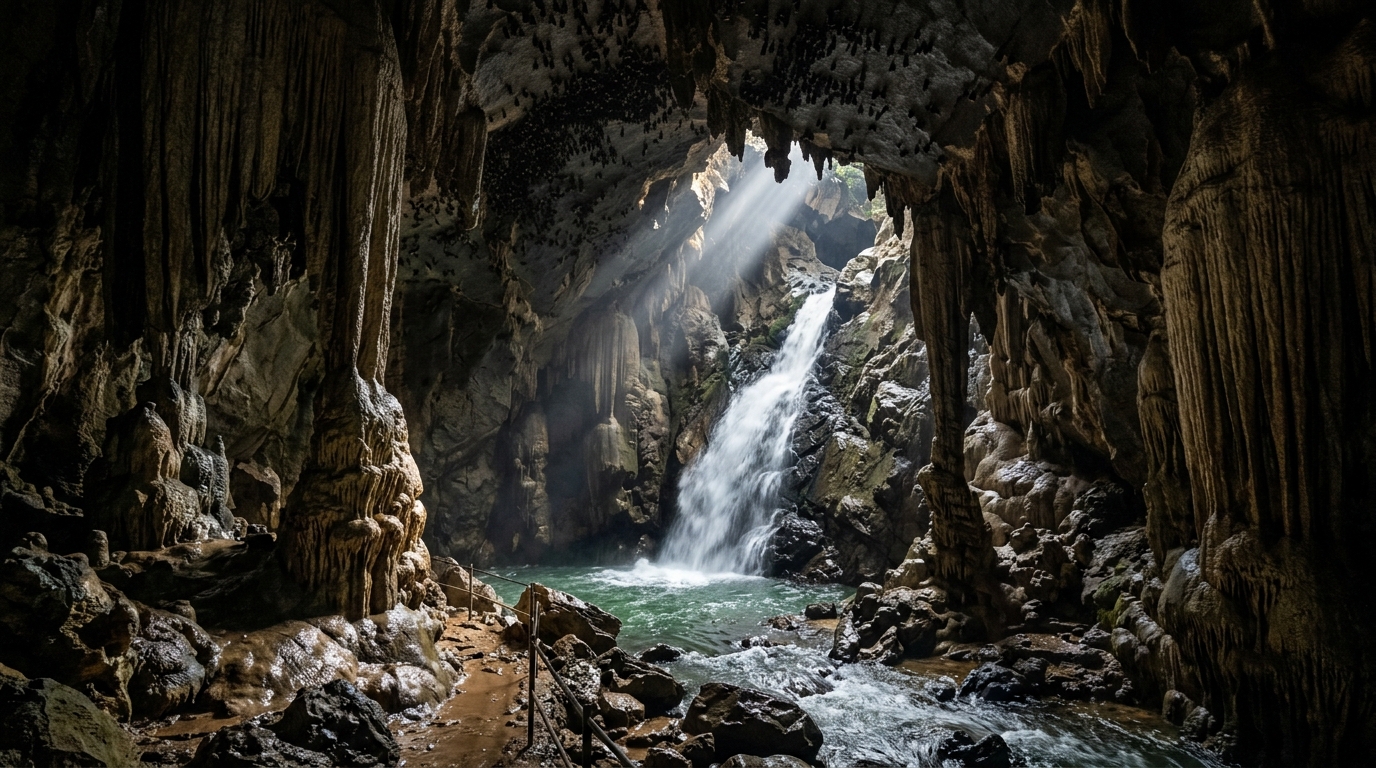
Local village folklore also links the deep caverns behind the waterfall to ancient royal retreats. During the tumultuous foreign invasions of the Anuradhapura and Polonnaruwa kingdoms, regional chieftains and fleeing royals reportedly utilized the hidden caves behind the roaring water veil of Diyawini Ella as secret military caches and emergency hideouts. Monks belonging to the forest meditation tradition (*Aranyavasi*) have inhabited isolated rock shelters (*kuti*) throughout the valley for centuries, drawn by the profound natural silence, pure mountain air, and isolation from worldly distractions.
Chapter 8: Wild Swimming Safety & Plunge Pool Protocols
Swimming beneath a secluded tropical waterfall in crystalline mountain water is one of life’s supreme pleasures, but natural waterways demand absolute respect and safety awareness:
| Pool Section | Depth & Current | Swimming Suitability | Safety Guidelines |
|---|---|---|---|
| Main Base Plunge Pool | 2.0m to 4.5m deep; moderate whirlpool current near waterfall impact | Experienced swimmers only; wear flotation vest if uncertain | Do not swim directly beneath the crashing waterfall jet; falling debris hazard |
| Lower Rock Tier Pools | 0.5m to 1.5m deep; gentle flowing current; clear gravel bottom | Ideal for families, relaxed wading, and natural hydro-massage | Sit safely on submerged rock ledges; perfect natural jacuzzi |
| Downstream River Shallows | 0.3m to 0.8m deep; slow current; sandy pockets | Completely safe for children and gentle foot soaking | Watch for moss-covered stones; keep footwear on while wading |
Crucial Flash Flood Warning: If you observe the water suddenly turning murky brown, rising rapidly, or carrying sudden flotsam of leaves and twigs, exit the riverbed immediately and move to high ground. This is the universal sign of heavy localized rainfall high in the mountain catchment, which can trigger sudden, dangerous flash floods down the gorge within minutes.
Chapter 9: Underwater Photography & Go-Pro Filming Techniques
The exceptional clarity of the mountain water at Diyawini Ella provides extraordinary opportunities for underwater filming and adventure photography. Because the water filters through kilometers of pristine montane rainforest before cascading over the falls, suspended sediment is virtually zero during dry spells, delivering horizontal visibility exceeding fifteen meters.
To capture stunning visuals, bring an action camera (such as a GoPro Hero or DJI Action) mounted on a floating grip pole. Experiment with "over-under" split-level dome ports, which capture the subterranean world of granite boulders and darting fish in the lower half of the frame while showcasing the roaring waterfall and lush jungle canopy in the upper half. If using a DSLR or mirrorless camera on shore, equip a circular polarizing filter (CPL) to cut through water surface glare, allowing the vibrant emerald hue of the riverbed to shine through in your photographs. Always carry silica gel desiccant packs inside your camera dry bag to prevent lens fogging when transitioning from the humid forest air into the cool waterfall spray zone.
Chapter 10: Essential Trekking Gear & Packing Checklist
Pack these practical wilderness items for your Diyawini Ella excursion:
- Footwear: Sturdy hiking shoes or trail runners with aggressive rubber lug tread for the forest trail, plus a pair of secure water shoes (or strap-on sandals) for navigating slippery river rocks.
- Clothing: Lightweight, quick-drying trekking shorts and breathable technical shirts. Wear your swimwear underneath your hiking clothes to facilitate an effortless dip in the plunge pool.
- Dry Bag: A 10L or 15L waterproof roll-top dry bag is essential to protect your smartphone, wallet, and camera gear from accidental drops in the river and fine waterfall spray.
- Leech Protection: While leeches are minimal during dry sunny months, carrying a small bottle of salt water, eucalyptus oil, or wearing light leech socks is recommended during wet inter-monsoon periods.
- Hydration & Snacks: Minimum 1.5 liters of drinking water per person, fresh tropical fruits, and energy bars. There are no commercial stalls or shops at the waterfall.
- Microfiber Towel: An ultra-compact, quick-drying microfiber travel towel takes up minimal space in your daypack and dries within twenty minutes when draped over sunlit granite boulders.
Chapter 11: Combining Diyawini Ella with an Udawalawe Morning Safari
The ultimate southern Sri Lankan day itinerary harmoniously pairs the wild plains of Udawalawe with the mountain cascades of Diyawini Ella in a single seamless adventure:
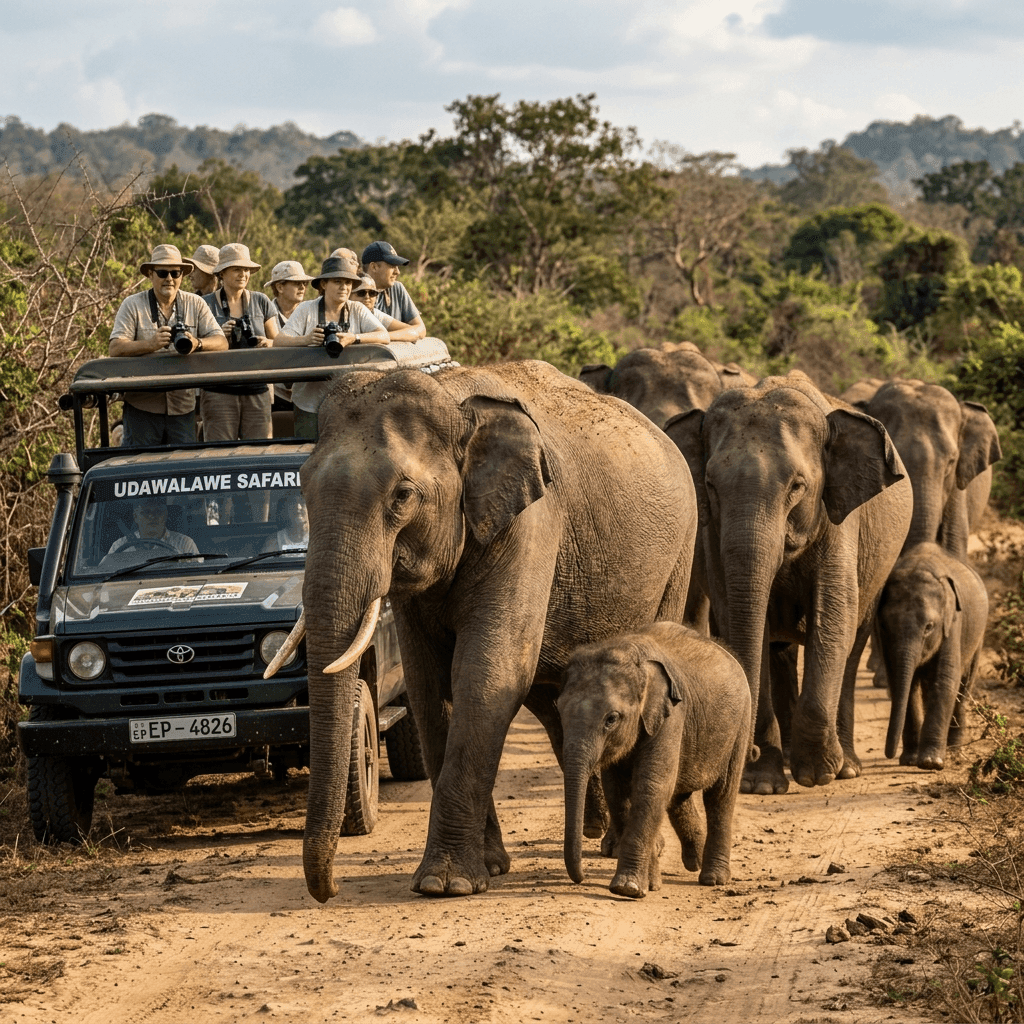
- 5:30 AM to 9:30 AM – Morning Safari in Udawalawe National Park: Experience the active dawn elephant herds, sunrise bird activity, and raptors across the savanna.
- 9:30 AM to 10:45 AM – Return to Hotel & Late Breakfast: Freshen up, shower, enjoy a hearty breakfast at your resort, and pack your daypack with swimwear and trekking shoes.
- 11:00 AM to 12:00 PM – Scenic Drive to Kaltota & Diyawini: Journey north into the hills, watching the landscape transition from dry savanna scrub to emerald mountain terraces.
- 12:00 PM to 1:00 PM – Jungle Trek to the Waterfall: Enjoy the shaded forest footpath, cross the riverbed, and arrive at the roaring cascade.
- 1:00 PM to 2:30 PM – Wild Swimming & Riverside Picnic: Bathe in the natural plunge pool, relax on sun-warmed granite slabs, and enjoy a picnic lunch surrounded by jungle.
- 2:30 PM to 3:30 PM – Return Hike & Cultural Village Stops: Trek back to the village, perhaps stopping at a local road stall to sip sweet king coconut water (*thambili*) or purchase fresh artisanal kitul jaggery.
- 3:30 PM to 4:30 PM – Return to Udawalawe: Arrive back at your hotel in time for an evening swim in the resort pool and a traditional candlelit dinner under the stars.
Chapter 12: Frequently Asked Questions (FAQ)
Q1: How far is Diyawini Ella Waterfall from Udawalawe National Park?
Diyawini Ella is located approximately 38 kilometers north of Udawalawe, taking around 50 to 60 minutes by private vehicle through scenic rural roads via Kaltota and Balangoda. The drive passes picturesque paddy terraces and rural mountain hamlets.
Q2: Is the hike to Diyawini Ella suitable for beginners and families?
The trek is rated moderate. While the initial trail is a gentle village path, the final approach involves navigating uneven rocks and tree roots along the riverbed. Sturdy footwear is essential. Active children aged seven and older typically find the boulder scrambles exciting and manageable.
Q3: Can you swim in the plunge pools at Diyawini Ella?
Yes, during the dry season (December to April), the lower natural plunge pools feature crystal-clear, refreshing waters perfect for wild swimming. Always exercise caution during heavy monsoonal rains, and avoid swimming directly underneath the vertical waterfall jet where falling debris can pose a hazard.
Q4: What is the best time of year to visit Diyawini Ella?
The best window is between January and April, as well as July to September. During these dry months, water flow is clear and safe, trails are dry and non-slippery, and leeches are minimal. Monsoonal months of May to June and October to November see much heavier water volume and increased trail mud.
Q5: Is there an entrance fee or ticket required to visit the waterfall?
No. Diyawini Ella is an untouched natural wilderness feature located on public forest land with no commercial entrance fees or ticket booths. Hiring a local village youth as a trail guide for a modest tip (LKR 1,500 – 2,500) supports the rural community and guarantees effortless navigation.
Q6: Are there changing rooms or restrooms at the waterfall?
No. Because this is an untouched wilderness location, there are no commercial facilities, changing cabins, or modern restrooms at the waterfall site. Visitors change behind natural rock formations or wear their swimwear beneath their trekking clothes.
Q7: Can a standard car reach the trailhead, or is a 4x4 required?
A standard car, van, or tuk-tuk can easily reach the main village trailhead along the paved provincial road. A 4x4 vehicle is not required for the drive, although high ground clearance is helpful on occasional gravel village patches.
Q8: Are leeches a significant issue on this trail?
During the dry season from December to April, leeches are virtually non-existent along the sunlit trail. Following rainy periods, a few leeches may be encountered in damp riverbank leaf litter; applying insect repellent or soapy water to your footwear easily deters them.
Q9: Is the waterfall visible from the road without hiking?
A distant glimpse of the upper cascade tumbling down the mountain escarpment can be seen from certain vantage points along the Kaltota-Balangoda road, but experiencing the full sixty-meter waterfall and plunge pool requires completing the 45-minute jungle hike.
Q10: Can we fly a photography drone at Diyawini Ella?
Because Diyawini Ella is located outside the strict national park boundaries on rural state forest land, commercial drone flights are generally permitted provided you adhere to standard Sri Lankan civil aviation safety rules: flying below 400 feet, maintaining visual line of sight, and avoiding flying near nesting raptors on the cliff face.
.png)