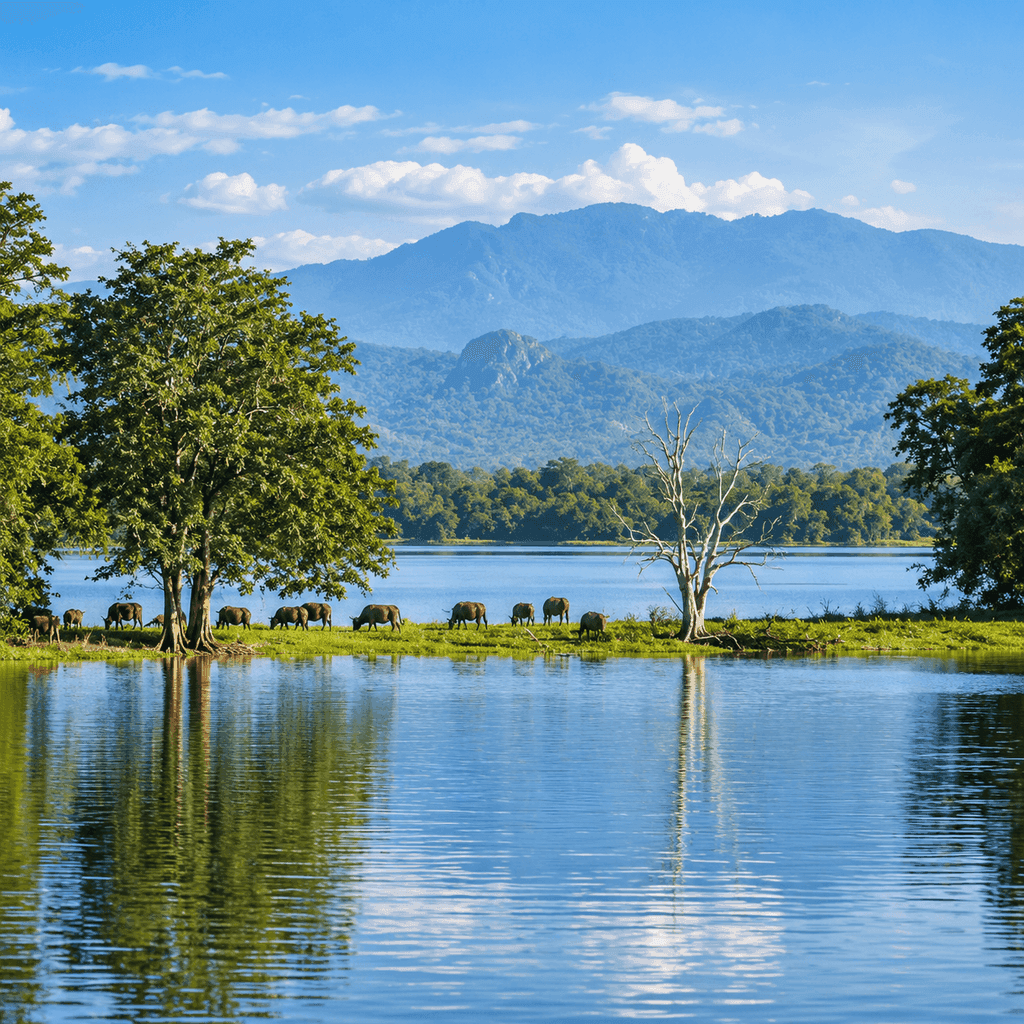
Chapter 1: The Evolutionary Heritage of the Sri Lankan Asian Elephant
Standing in the presence of an adult wild Asian elephant (Elephas maximus maximus) in Udawalawe National Park is an experience that resonates deep within human ancestral memory. These majestic mega-herbivores are the living embodiment of millions of years of evolutionary refinement, belonging to the order Proboscidea, an ancient mammalian lineage that once spanned hundreds of species across every continent except Antarctica and Australia. Today, the Sri Lankan subspecies represents the largest, darkest, and physically most imposing of the three recognized subspecies of the Asian elephant, standing proudly alongside the Indian elephant (Elephas maximus indicus) and the Sumatran elephant (Elephas maximus sumatranus).
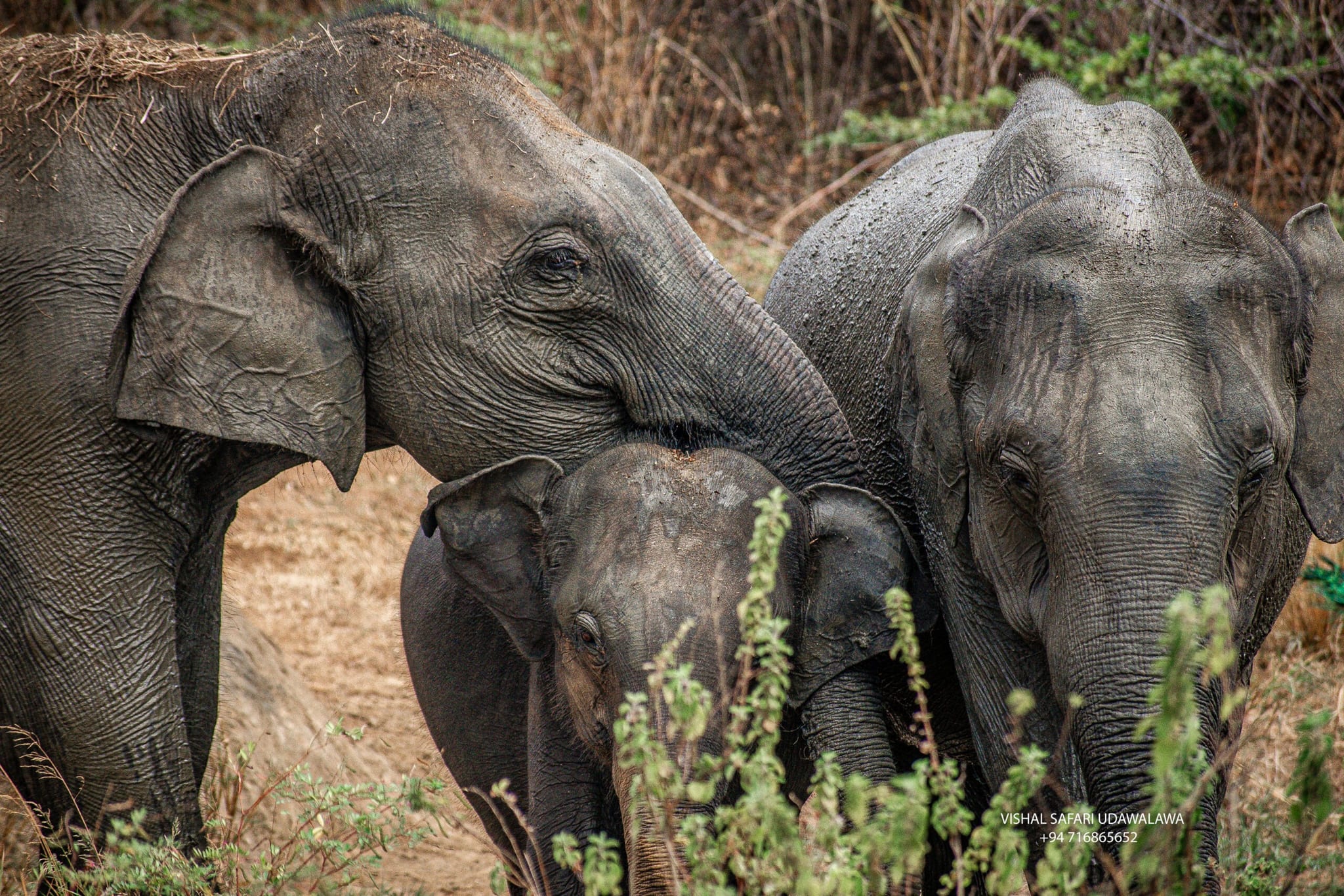
Morphologically, the Sri Lankan elephant displays distinct physical hallmarks that captivate naturalists. Adult males achieve shoulder heights ranging from 2.7 to 3.2 meters (9 to 10.5 feet) and can weigh between 3,500 and 5,500 kilograms (up to six metric tons). Their skin is characterized by a deep, slate-charcoal pigmentation that is notably darker than that of their mainland continental relatives. Most striking of all is the exquisite, intricate pattern of pinkish-amber depigmentation patches—known scientifically as vitiligo—that adorns their ears, cheeks, forehead, and prehensile trunk. These freckled depigmentation maps expand and deepen as the animal matures, serving as an indelible badge of age, wisdom, and survival in the wild.
In Udawalawe, the elephant is not merely an inhabitant; it is the fundamental "keystone species" and primary ecosystem engineer of the entire reserve. Through their voracious foraging, elephants consume hundreds of pounds of tall Guinea grass and woody shrubs every single day, preventing dense thorn scrub from encroaching upon the open savanna grasslands. They bulldoze pathways through impenetrable thickets, creating vital travel corridors utilized by spotted deer, wild boar, and leopards. During periods of severe drought, elephants use their powerful forefeet and tusks to excavate subterranean water pockets in dry sandy riverbeds, uncovering life-saving water sources that sustain countless smaller mammal and bird species. Without the continuous ecological stewardship of the elephant herds, Udawalawe’s biological diversity would collapse.
Chapter 2: The Complex Social Architecture of Matriarchal Clans
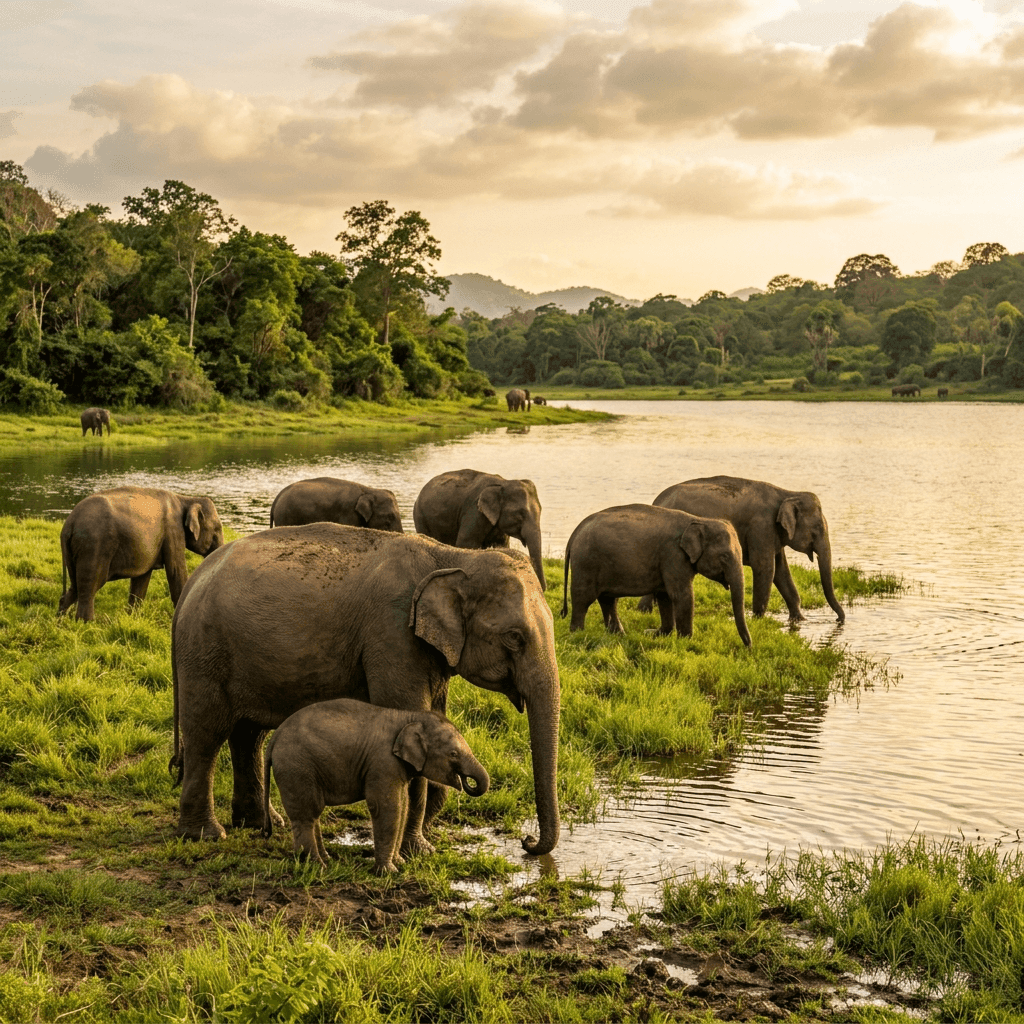
To truly appreciate an elephant safari in Udawalawe, one must look beyond the sheer physical magnitude of the animals and understand the sophisticated social tapestry that governs their daily existence. Elephant society is strictly matriarchal, organized around a multi-generational sisterhood led by the oldest, most experienced female in the family: the matriarch.
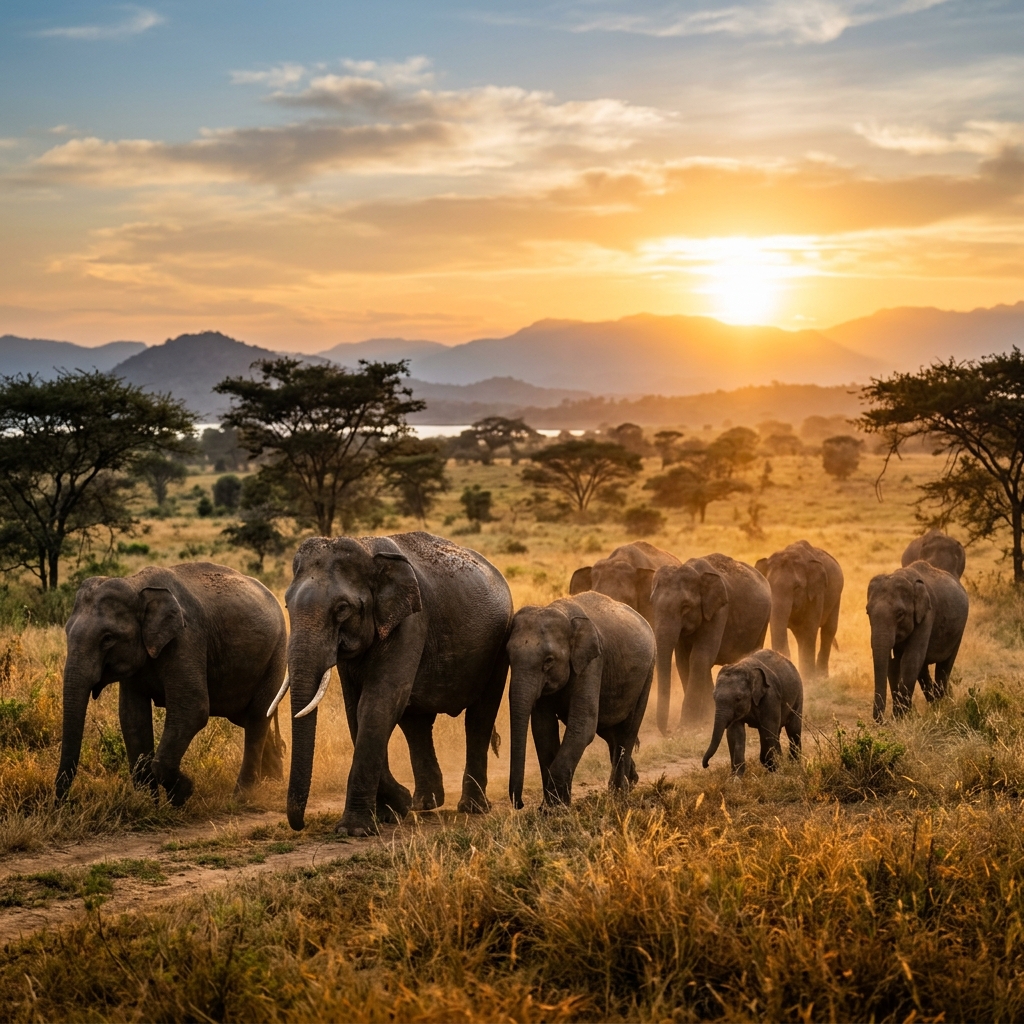
The matriarch is the living repository of environmental and social knowledge for her clan. She carries decades of cognitive maps stored within her massive brain—which, at approximately five kilograms, is the largest of any terrestrial land mammal. She remembers the precise location of hidden perennial waterholes during once-in-a-generation droughts, knows the safest river crossings during monsoon flash floods, and recognizes the distinct scent signatures of friendly versus rival elephant clans across the park. The survival of every calf in the herd rests upon her leadership. Subordinate adult females—her sisters, daughters, and nieces—yield absolute deference to her movements; when the matriarch turns and initiates a purposeful stride toward the reservoir, the entire family falls into disciplined, synchronized formation behind her.
Within this matriarchal fortress, elephant calves are raised with extraordinary communal tenderness in a cooperative breeding system known as *allomothering*. When a mother gives birth after an epic twenty-two-month gestation period (the longest gestation of any mammal), the entire family clan celebrates with vocal rumbles, touching the newborn with their trunks and showering it with protective affection. Unmated young females and older aunts serve as dedicated nurse-nannies, babysitting the rambunctious calves, shielding them from the scorching equatorial sun under their immense bodies, and physically steering them away from mud traps and predator-infested riverbanks. Witnessing an older aunt gently nudge a stumbling newborn up a slippery clay bank with her trunk while uttering reassuring, low-frequency hums is one of the most heart-warming sights in nature.
Chapter 3: Infrasonic Communication: The Language Beneath Our Feet
For centuries, human observers were mystified by how separated elephant family units scattered miles apart across vast savanna basins could coordinate simultaneous, synchronized movements toward a single waterhole at the exact same hour. The answer was uncovered through groundbreaking bioacoustic research in the late twentieth century: elephants communicate across vast distances using low-frequency sound waves inaudible to the human ear, known as infrasound.
Elephants produce these deep acoustic rumbles utilizing specialized, massive vocal cords within their larynxes. These infrasonic vocalizations resonate at frequencies between 14 and 24 Hertz—well below the 20 Hertz threshold of human auditory perception. While a human standing beside an elephant may perceive only a subtle, soft fluttering purr or a strange vibration in their sternum, this low-frequency sound wave possesses immense physical energy. Because low-frequency waves suffer minimal atmospheric scattering and bend effortlessly around hills, trees, and ground obstacles, an elephant rumble can travel through the air for up to ten to twelve kilometers under optimal atmospheric conditions.
Even more remarkably, these infrasonic rumbles travel directly through the earth as seismic shockwaves. Elephants detect these underground seismic signals through specialized mechanoreceptors known as Pacinian corpuscles embedded within the fatty, fibrous cushion pads of their massive feet and the sensitive tip of their trunks. When an elephant detects a distant seismic message, it will abruptly freeze, shift its body weight forward onto its forelegs, and press the tip of its trunk firmly against the soil, "listening" through the earth. Through this sophisticated seismic internet, elephants communicate warnings of danger, advertise reproductive availability, and maintain intimate emotional bonds across the breadth of the national park.
Chapter 4: The Genetics of Sri Lankan Tuskers (*Etha*)
One of the most remarkable biological curiosities of the Sri Lankan elephant is the extraordinary rarity of ivory tusks. In African savannah elephants (Loxodonta africana), both males and females carry massive, prominent tusks. In continental Asian elephants across India, Myanmar, and Thailand, approximately 40 to 50 percent of adult males carry prominent tusks. Yet in Sri Lanka, fewer than 7 percent of wild adult bulls possess true ivory tusks (*Etha*). The remaining 93 percent of males are tuskless, known locally as *Kuruwe* or *Makna*.
Evolutionary biologists and historians trace this striking genetic divergence to centuries of selective artificial harvesting. During ancient royal eras and particularly throughout European colonial rule under Portuguese, Dutch, and British administrations, thousands of the largest, most magnificent tusked bulls were systematically captured for royal ceremonies, exported for war and labor, or slaughtered by British trophy hunters. This relentless centuries-long hunting pressure disproportionately eliminated the genetic alleles for tusk development from the wild breeding pool, allowing tuskless *Makna* bulls—which held no economic or trophy value—to survive and father subsequent generations.
Despite their lack of ivory, *Makna* bulls are by no means disadvantaged in physical combat. On the contrary, adult *Makna* bulls often exhibit greater muscular mass, thicker cranial bone architecture, and wider skull crests than tuskers. In dominance battles over receptive females, a heavy, experienced *Makna* bull can easily overpower a tusked rival through sheer physical mass and aggressive head-butting. Nevertheless, observing a majestic, true tusker in Udawalawe—such as the famous mature bulls that frequent the Sinuggala and reservoir sectors—remains an awe-inspiring wildlife encounter of regal grandeur.
Chapter 5: The Phenomenon of Musth: The Hormonal Tempest
Periodically throughout an adult male elephant’s life, he undergoes a profound physiological, behavioral, and hormonal transformation known as *musth* (derived from the Persian word for intoxicated). Musth is not a seasonal mating rut; it is a temporary condition of heightened sexual dominance, physical aggression, and intense reproductive signaling that occurs roughly once a year in healthy adult bulls, lasting anywhere from a few weeks to several months.
During musth, a bull elephant’s testosterone levels skyrocket, frequently surging up to forty to sixty times higher than his normal baseline levels. The physical manifestations are unmistakable: the temporal glands situated midway between the eye and the ear swell dramatically and discharge a thick, viscous, dark fluid that streams down both sides of the face. This secretion carries a powerful, pungent, musky scent that can be detected by human nostrils from fifty meters downwind and informs every elephant in the region of the bull’s formidable presence. Additionally, the bull continuously dribbles urine along his hind legs, leaving a distinct olfactory trail across the savanna.
A bull in full musth carries himself with exaggerated physical swagger. He holds his massive head high, keeps his ears perpetually flared, and walks with a deliberate, swaying gait. Even larger, older non-musth bulls will immediately yield the right-of-way to a smaller bull in musth to avoid dangerous, high-stakes combat. When our safari jeeps encounter a musth bull in Udawalawe, professional drivers demonstrate consummate caution: they back the vehicle to a generous distance, leave an unimpeded escape route, switch off the engine, and maintain absolute silence. Observing one of these hormone-charged titans stride majestically across the golden evening plains is a thrilling reminder of the untamed raw power of wild nature.
Chapter 6: Field Identification Guide: Reading Elephant Body Language
To experience an elephant safari with the insight of a master naturalist, learn to decipher these universal postural and behavioral signals displayed by wild elephants:
| Behavioral Posture | Physical Cues | Emotional & Psychological Meaning | Recommended Jeep Action |
|---|---|---|---|
| Relaxed Foraging | Slow rhythmic ear flapping, swinging tail, calm trunk movements | Contentment, safety, baseline metabolic feeding | Maintain quiet observation at 20-meter distance; engine off |
| Alert Curiosity | Frozen posture, ears pinned forward, trunk tip raised sniffing the breeze | Investigating an unfamiliar scent, sound, or approaching vehicle | Remain completely silent; avoid sudden passenger movements |
| Mild Annoyance / Warning | Violent head-shaking, kicking dust forward, trumpeting squeal | Expressing irritation; establishing personal boundaries | Driver should smoothly reverse the vehicle 15-20 meters to grant space |
| Mock Charge (Displacement) | Brisk forward rush with ears flared wide, stopping short with ground stamp | Bluff display intended to intimidate threats without physical contact | Driver maintains calm, holds ground or backs up slowly; never panic |
| Defensive Protection | Adults form tight circular ring with calves tucked securely in center | Protecting vulnerable offspring from perceived danger or predators | Respect boundaries; vehicle must back away smoothly to restore calm |
Chapter 7: Human-Elephant Coexistence & The Frontier of Conservation
The story of the Asian elephant in modern Sri Lanka is an epic struggle between ancient ecological heritage and modern human demographic expansion. With over 22 million people sharing an island of just 65,000 square kilometers alongside an estimated 6,000 to 7,000 wild elephants, Sri Lanka experiences the highest density of human-elephant co-occurrence in the world. Tragically, this proximity fuels severe Human-Elephant Conflict (HEC), resulting in the deaths of approximately 300 to 400 wild elephants and 100 to 120 rural farmers annually, primarily through crop raiding, train collisions, and illegal explosive trap baits (*Hakka Patas*).
Udawalawe National Park represents the gold standard for conflict mitigation in South Asia. The Department of Wildlife Conservation (DWC) has invested heavily in community-border electric fencing that separates human cultivation from elephant wilderness. However, modern conservation biology emphasizes that electric fences cannot merely enclose parks like open-air prisons; they must be strategically placed around ecological boundaries rather than administrative lines, preserving critical seasonal migration corridors that link Udawalawe with adjacent reserves such as Lunugamvehera, Yala, and the central mountain foothills.
Every traveler who books a licensed, ethical jeep safari in Udawalawe directly supports this vital conservation matrix. A significant portion of your park permit fees funds electric fence maintenance, anti-poaching wildlife ranger patrols, veterinary interventions for injured wild elephants, and community compensation programs for local farmers who suffer crop damage. By turning wild elephants into valuable living assets that generate sustainable rural employment for hundreds of local drivers, guides, hotel staff, and restaurateurs, responsible safari tourism provides the ultimate financial bulwark guaranteeing the long-term survival of these gentle giants.
Chapter 8: The Anatomy of an Elephant Trunk: Nature's Masterpiece of Biomechanics
To watch an Asian elephant feed, drink, bathe, or greet a family member is to marvel at one of the most astonishing biological instruments in the animal kingdom: the proboscis, or trunk. The trunk is an extraordinarily complex fusion of the upper lip and the nose, containing no bones, joints, or cartilage whatsoever. Instead, it is composed entirely of a dense, interlocking matrix of muscular hydrostats—estimated by comparative anatomists to contain between 40,000 and 100,000 distinct individual muscle fascicles and fibers, far exceeding the total number of muscles in the entire human body.
This muscular architecture grants the trunk a paradoxical combination of colossal strength and microscopic dexterity. An adult bull elephant in Udawalawe can effortlessly wrap its trunk around a fallen teak log weighing several hundred kilograms and hoist it aside to clear a path. Moments later, the same animal can utilize the single, finger-like projection at the dorsal tip of its trunk with such millimeter precision that it can delicately pluck a single blade of tender grass, pick up a tiny coin from the sand, or gently wipe a grain of dust from the corner of its newborn calf's eye.
The trunk is also the elephant’s primary olfactory organ, functioning as an ultra-sensitive periscope. When an elephant suspects danger or searches for water, it raises its trunk high into the air, turning the nostrils in slow arcs like a radar dish. Elephants possess approximately two thousand olfactory receptor genes—more than double the olfactory capacity of domestic bloodhounds and five times that of humans. In the dry savanna of Udawalawe, an experienced matriarch can detect the scent of underground moisture or an approaching rainstorm from a distance of more than twenty kilometers downwind. Furthermore, the trunk serves as a massive hydraulic pump; in a single breath, an adult elephant can siphon up to eight to ten liters of water into its internal nasal cavities before curling the trunk inward and releasing the water directly into its mouth or showering it across its heated back.
Chapter 9: Sleeping Habits and Circadian Rhythms in the Wild
Unlike humans who require seven to eight hours of continuous nocturnal rest, adult wild Asian elephants have the shortest recorded sleep requirements of any terrestrial mammal. In the wild expanses of Udawalawe, adult elephants sleep for an average of only two to three hours every twenty-four hours, distributed in brief, polyphasic naps occurring predominantly between 1:00 AM and 4:30 AM.
Much of this sleep occurs while the elephant is standing completely upright. Elephants possess a specialized physiological "stay apparatus"—a reciprocal arrangement of ligaments, tendons, and locked joint angles in their heavy pillar-like limbs that allows them to lock their massive legs in place and sleep without collapsing, expending virtually zero muscular energy. Standing sleep allows an elephant to awaken and react instantly if a predator or threat approaches in the dead of night.
However, to enter vital Rapid Eye Movement (REM) dream sleep, an elephant must physically lie down on its side. Because an elephant's colossal body weight exerts immense pressure upon its internal organs, diaphragm, and lungs, adult elephants rarely remain lying down for more than thirty to forty-five minutes at a time. Calves, by contrast, sleep far more deeply and frequently. During the quiet midday hours under shady Kumbuk trees, calves will collapse completely flat out on the soft sand, their trunks limp and their tiny legs twitching as they dream, while watchful mothers and nurse aunts stand sentinel over them, gently fanning them with their ears to keep biting flies away.
Chapter 10: Ancient Migration Corridors & The Ruhuna Landscape Matrix
Centuries before modern cartographers drew provincial borders or engineers constructed concrete highways, wild elephants roamed across vast seasonal migratory circuits that spanned the entirety of southern and southeastern Sri Lanka. Known in Sinhala as *Ali Mankada* (elephant corridors), these ancient paths followed natural geographic fault lines, perennial river valleys, and gentle mountain passes.
Historically, the elephant herds of Udawalawe were not genetically isolated. During the southwest monsoon (May to September), herds would graze heavily across the lush savannas of the Walawe basin. When seasonal droughts arrived, large family clans would migrate east along the Mau Ara and Kirindi Oya valleys toward the coastal lagoons of Lunugamvehera and Yala, or journey north along the Kaltota escarpment toward the foothills of Peak Wilderness (Sri Pada). This continuous regional circulation ensured extensive genetic cross-pollination between disparate elephant clans, preventing inbreeding and maintaining robust genetic vigor across the wild population.
Today, preserving and reconnecting these historical migration corridors represents the foremost priority of contemporary conservation science in Sri Lanka. The Department of Wildlife Conservation’s Lunugamvehera National Park was established in 1995 specifically to serve as a protected biological corridor linking Udawalawe with Yala. By maintaining contiguous forest corridors and replacing rigid linear barriers with intelligent community electric fencing, conservationists are working tirelessly to ensure that Udawalawe’s gentle giants can continue their timeless migrations across the southern plains for generations to come.
Chapter 11: Frequently Asked Questions (FAQ)
Q1: Why does Udawalawe have more elephants than Yala or Wilpattu?
Udawalawe was created specifically around a massive perennial reservoir and extensive Guinea grass savannas, providing an uninterrupted year-round abundance of water and succulent forage that sustains 600 to 800 resident elephants without requiring seasonal migration.
Q2: How do Sri Lankan elephants differ from African elephants?
Sri Lankan Asian elephants are smaller in shoulder height, possess twin-domed craniums, smaller rounded ears, a single prehensile finger on the trunk tip, and only approximately 7 percent of males carry tusks, unlike African elephants where both sexes have large tusks.
Q3: How close can safari jeeps get to the elephants safely?
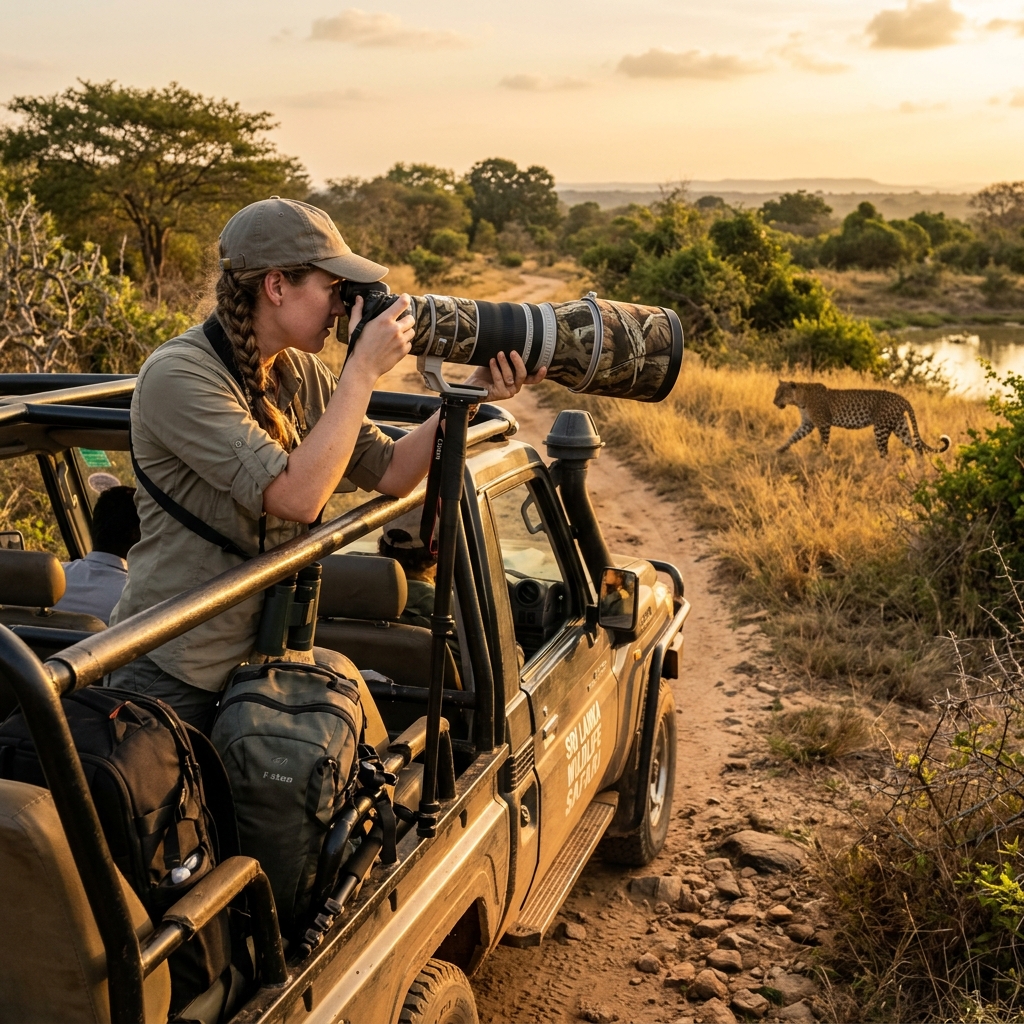
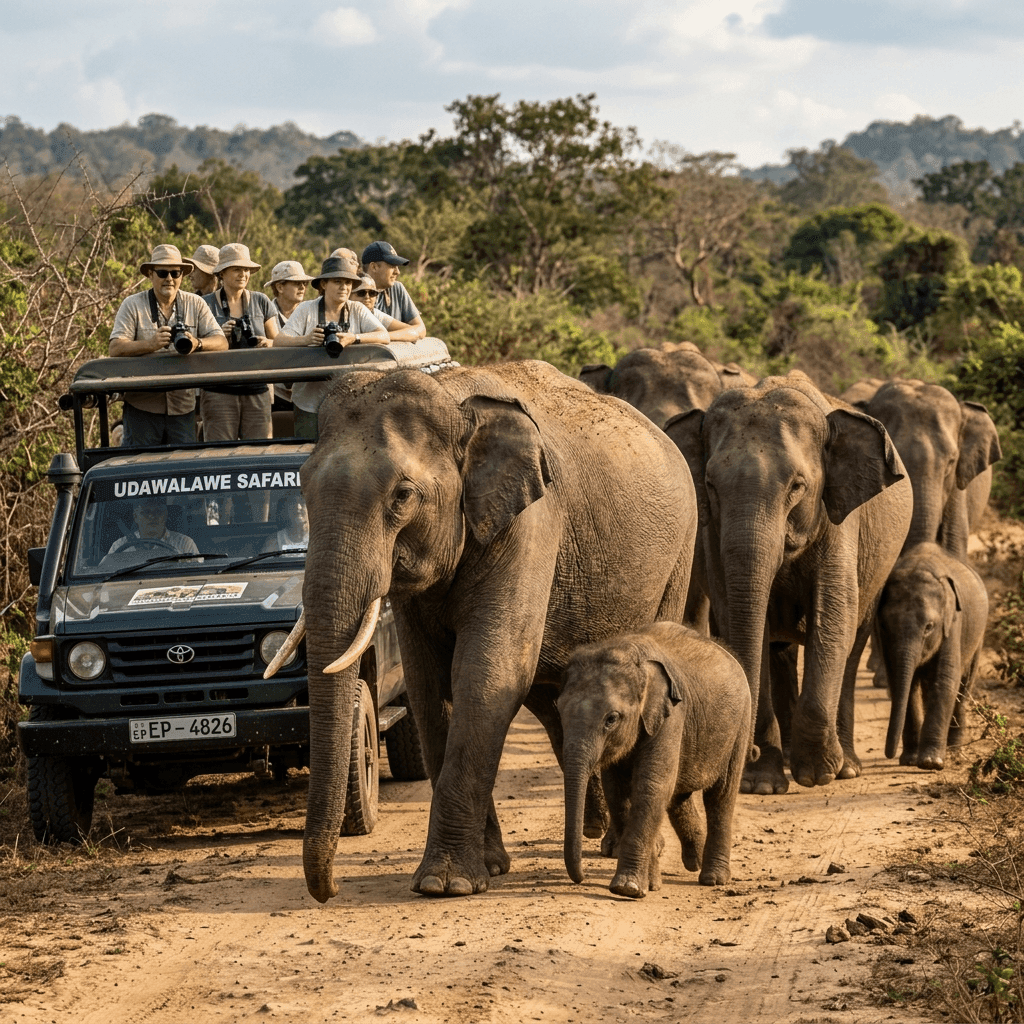
A respectful safety buffer of at least twenty meters is strictly maintained by licensed drivers. When an elephant herd chooses to cross the track, vehicles stop, kill the engine, and allow the animals to pass at their own pace without hindrance.
Q4: What is musth in male elephants and is it dangerous?
Musth is a natural periodic biological state in adult bulls characterized by a massive surge in testosterone and temporal gland discharge. While musth bulls display heightened territorial dominance, experienced safari drivers maintain generous safety buffers, ensuring complete safety.
Q5: Can we touch or feed the wild elephants during the safari?
No. Touching, feeding, or disembarking from the vehicle to approach wild elephants is strictly illegal under national park laws and exceptionally dangerous. These are entirely wild, powerful animals that must be observed with respectful visual appreciation only.
Q6: Do elephants have good eyesight?
Elephants have relatively poor eyesight, with effective vision limited to approximately twenty to thirty meters in bright daylight. However, their acute sense of smell is the most sophisticated among terrestrial mammals—possessing five times more olfactory receptor genes than humans and twice that of bloodhounds—and their hearing spans extraordinary infrasonic ranges.
Q7: What is the lifespan of an Asian elephant in the wild?
In a protected, food-rich sanctuary like Udawalawe, wild Asian elephants typically live between sixty and seventy years. Their lifespan is ultimately determined by their molar teeth: once their sixth and final set of grinding molars wears down in old age, their ability to chew fibrous grass declines, leading to natural nutritional senescence.
Q8: Can we see newborn elephant calves throughout the year?
Yes! Because Udawalawe’s climate is warm and food is consistently abundant around the reservoir, Asian elephants do not have a rigid seasonal breeding season. Mating and births occur throughout the entire calendar year, meaning newborn calves with fuzzy reddish hair can be observed across every month.
Q9: How much water does an adult elephant drink each day?
An adult elephant requires between 100 and 150 liters of fresh water daily, and can ingest up to 200 liters in a single drinking session. They use their trunks to suck up eight to ten liters at a time before curling the trunk inward and funneling the water into their mouth.
Q10: What should I do if an elephant walks directly toward our jeep?
Remain completely calm, stay seated, avoid sudden hand movements, and do not shout or raise your voice. Your experienced driver will assess the elephant’s body language and either remain stationary with the engine off to let the animal stroll past, or reverse smoothly and quietly down the track to grant the herd comfortable clearance.
.png)