
Chapter 1: Geothermal Healing in the Southern Dry Zone
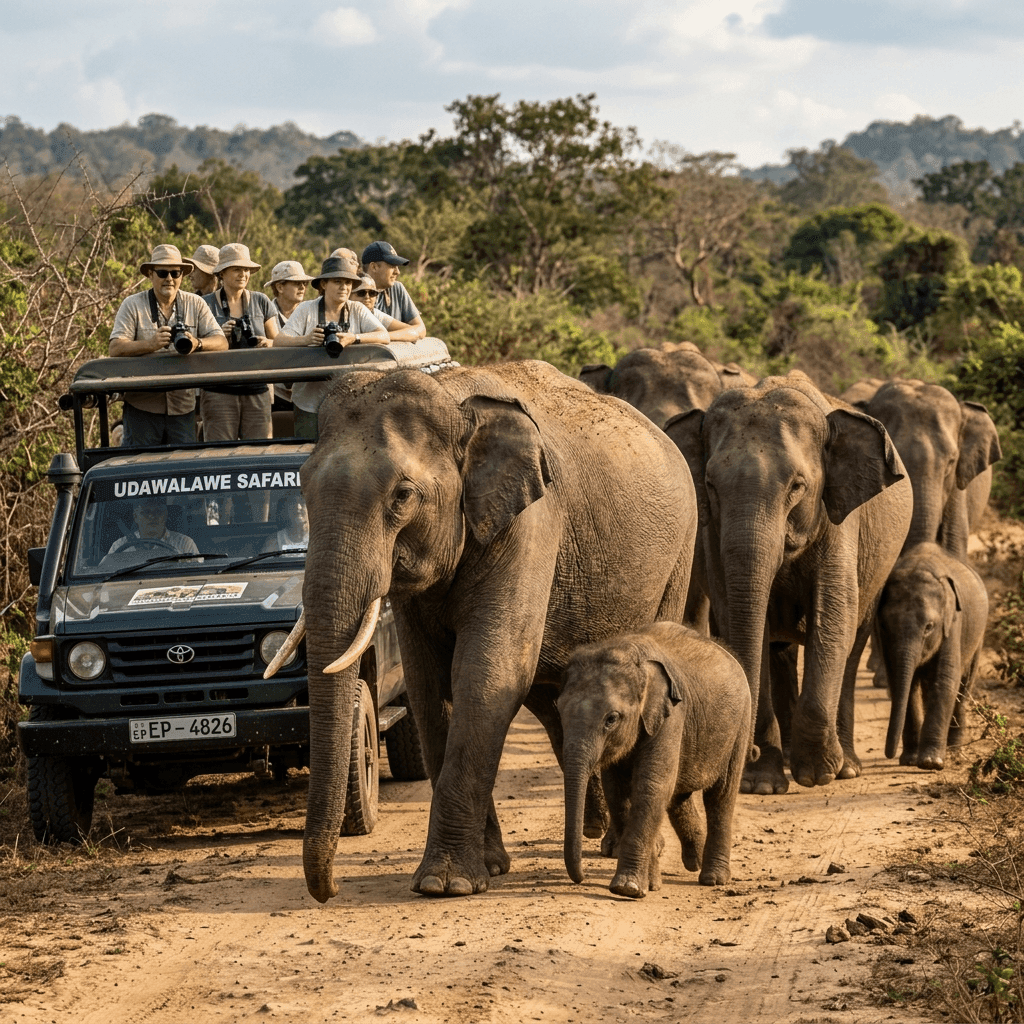
After an exhilarating but physically demanding morning of jostling through rugged savanna tracks on an open 4x4 safari jeep in Udawalawe National Park, there is no more rejuvenating, restorative sanctuary in southern Sri Lanka than the natural thermal wells of Madunagala. Located in the peaceful village of Mahapelessa near Sooriyawewa, just thirty-five kilometers southeast of the national park, Madunagala Hot Springs (*Mahapelessa Unuvathura Pokuna*) represents one of the island's rare, fascinating geothermal wonders. Here, deep subterranean forces send steaming, mineral-rich thermal water bubbling up to the earth's surface at natural temperatures between 44°C and 48°C (111°F to 118°F).
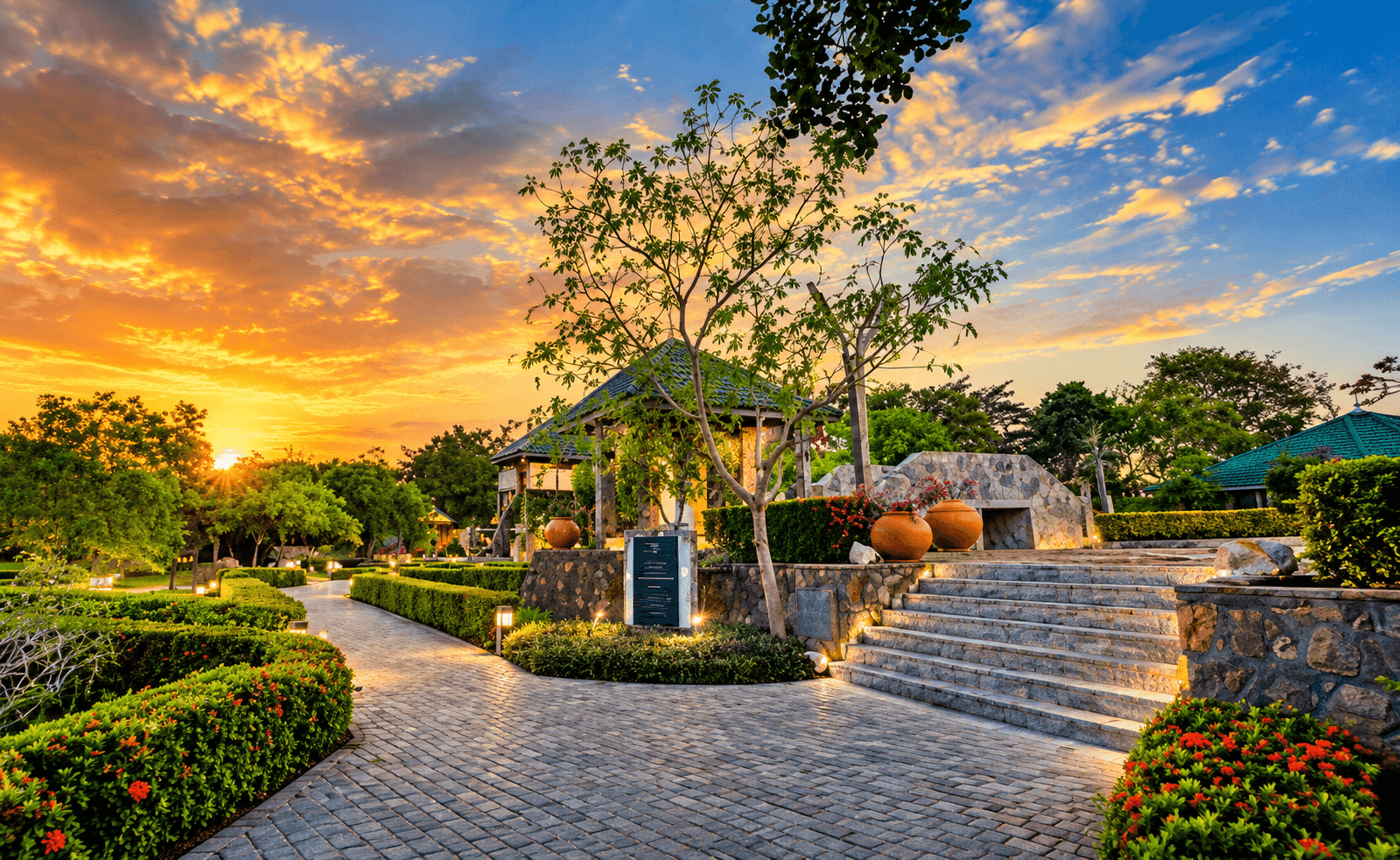
For centuries, local villagers, weary travelers, and Ayurvedic physicians have recognized the profound healing, therapeutic properties of these sacred springs. Immersing oneself in the warm, sulfurous waters dissolves deep muscular fatigue, relieves chronic joint pain, and stimulates systemic cardiovascular circulation. Set within a tranquil rural parkland shaded by majestic tamarind trees, blooming frangipani, and coconut palms, Madunagala provides an authentic cultural wellness ritual that leaves travelers deeply relaxed and rejuvenated.
Beyond physical comfort, a visit to Madunagala offers a window into the geological science of Sri Lanka's tectonic crust and the ancient monastic heritage of the nearby Madunagala Forest Hermitage. Whether you are an adventure traveler easing trail stiffness or a family looking for an enjoyable, authentic cultural encounter, the steaming basins of Mahapelessa are an unmissable regional highlight.
The sensory experience upon arriving at Madunagala is distinct and memorable. A faint, mineral scent of natural sulfur hangs warmly in the air, carried by gentle breezes rustling through surrounding dry-zone scrub. Steam rises gracefully from the water basins in the cool early morning, while the cheerful sounds of families laughing and pouring buckets of steaming water over their shoulders create an uplifting, communal atmosphere that feels centuries old.
Chapter 2: The Geological Science of Sri Lanka's Thermal Springs
Sri Lanka is not situated on active volcanic fault lines, which leads many international visitors to wonder: what causes water to boil up from the ground at 48°C in the middle of a dry-zone forest? The answer lies in deep non-volcanic geothermal hydrology along major tectonic shear zones.
Geologically, Sri Lanka’s island bedrock is partitioned into three primary Precambrian lithological units: the Highland Complex, the Vijayan Complex, and the Wanni Complex. The boundary where the central Highland Complex collides with the eastern and southern Vijayan Complex is known to geologists as the "Highland-Vijayan Thrust Suture." Along this immense, deeply fractured geological fault line, meteoric groundwater from mountain rainfall percolates deep into subterranean fracture zones, descending three to four kilometers into the earth's continental crust.
At these profound depths, the geothermal gradient heats the pressurized water to over 100°C. Trapped beneath immense hydrostatic pressure, the superheated water dissolves surrounding silicate, carbonate, and sulfate minerals from the granitic gneiss bedrock. The heated water becomes less dense, surging back toward the surface along vertical fault fissures through natural convection, finally discharging at surface thermal springs like Madunagala at temperatures perfectly calibrated for human hydrotherapy.
Because these subterranean fissures are deeply rooted in stable Precambrian cratons dating back over two billion years, the flow of thermal water at Madunagala is virtually inexhaustible. Hydrogeological assessments conducted by the Geological Survey and Mines Bureau (GSMB) confirm that the springs discharge thousands of liters of pristine geothermal water every single hour without seasonal interruption, even during peak dry-zone droughts when surface streams have dried completely.
Chapter 3: Mineral Chemistry & Therapeutic Hydrotherapy Benefits
The thermal waters of Madunagala are far more than ordinary heated water; they are a complex, natural geochemical cocktail brimming with dissolved electrolytes and therapeutic trace minerals:
| Mineral Component | Geochemical Role | Physiological & Therapeutic Benefit |
|---|---|---|
| Dissolved Sulfur (Sulfate) | Natural volcanic/geothermal mineral compound | Potent natural antibacterial agent; soothes eczema, psoriasis, and skin irritations |
| Magnesium Ions (Mg²⁺) | Essential intracellular electrolyte | Relaxes tight muscle fibers, alleviates cramping, and relieves physical stress |
| Calcium (Ca²⁺) | Bone and cellular membrane constituent | Calms peripheral nerve endings, reducing joint discomfort and chronic arthritis aches |
| Bicarbonates (HCO₃⁻) | Alkaline buffering agent | Dilates peripheral blood vessels, promoting healthy circulation and skin oxygenation |
| Sodium Chloride (NaCl) | Saline osmotic agent | Detoxifies lymphatic pathways and gently softens keratin in outer skin layers |
| Silicic Acid (SiO₂) | Dissolved quartz mineral compound | Promotes collagen synthesis, hair luster, and epidermal elasticity |
In the terminology of European medical balneology and traditional Ayurvedic medicine, warm thermal bathing induces deep vasodilation. When the 45°C water cascades over your shoulders and spine, the dilated capillary networks increase oxygen delivery to strained postural muscles while carrying away accumulated lactic acid from long safari jeep rides.
Medical researchers have also documented that the transdermal absorption of trace sulfur compounds stimulates cellular glutathione production, the body's primary endogenous antioxidant. For travelers suffering from chronic lower back tension, neck stiffness from bouncy vehicle seats, or seasonal joint inflammation, twenty minutes of thermal bathing at Madunagala delivers relief comparable to high-end spa hydrotherapy sessions.
Chapter 4: The Layout of the Wells & Traditional Bathing Protocol
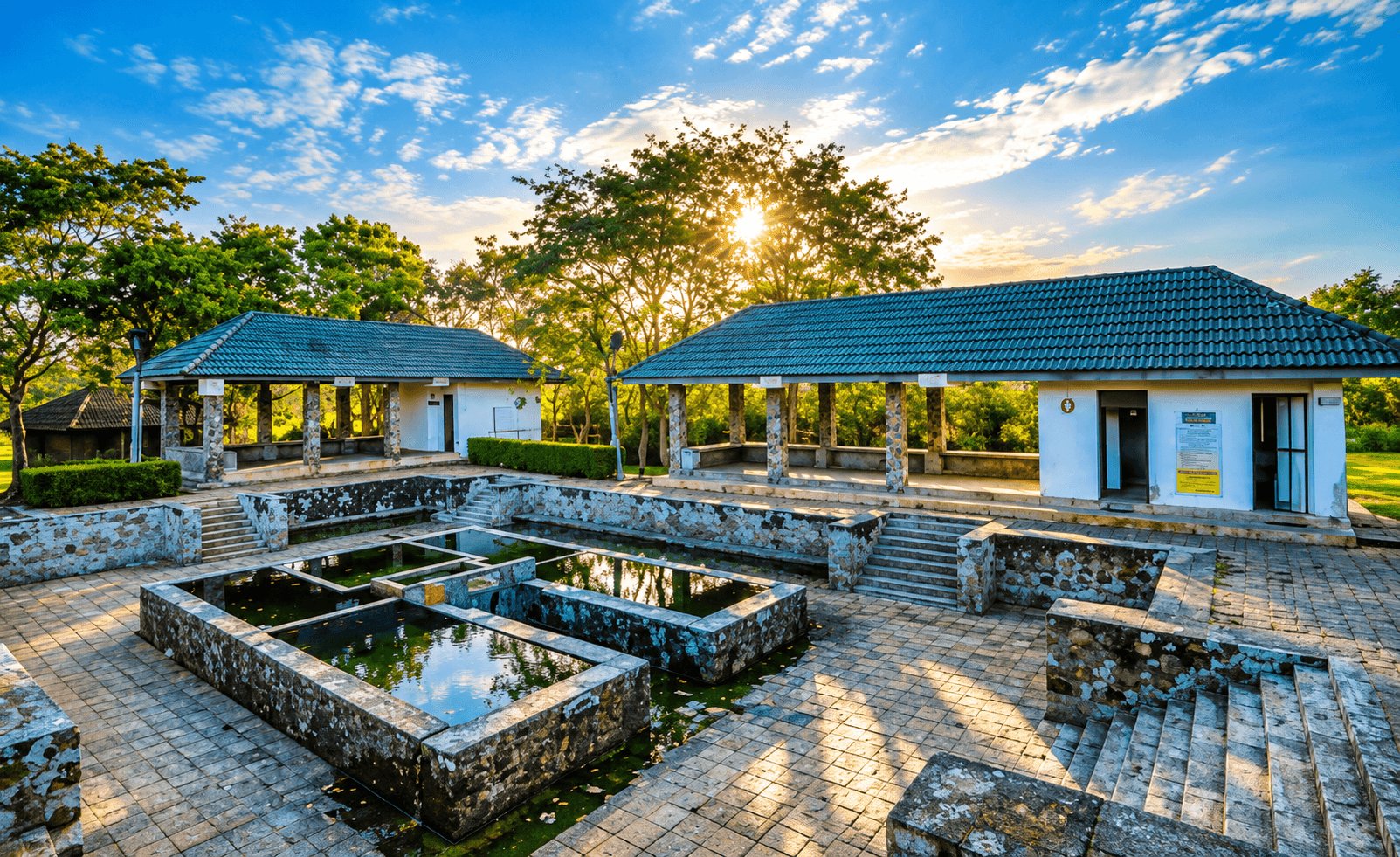
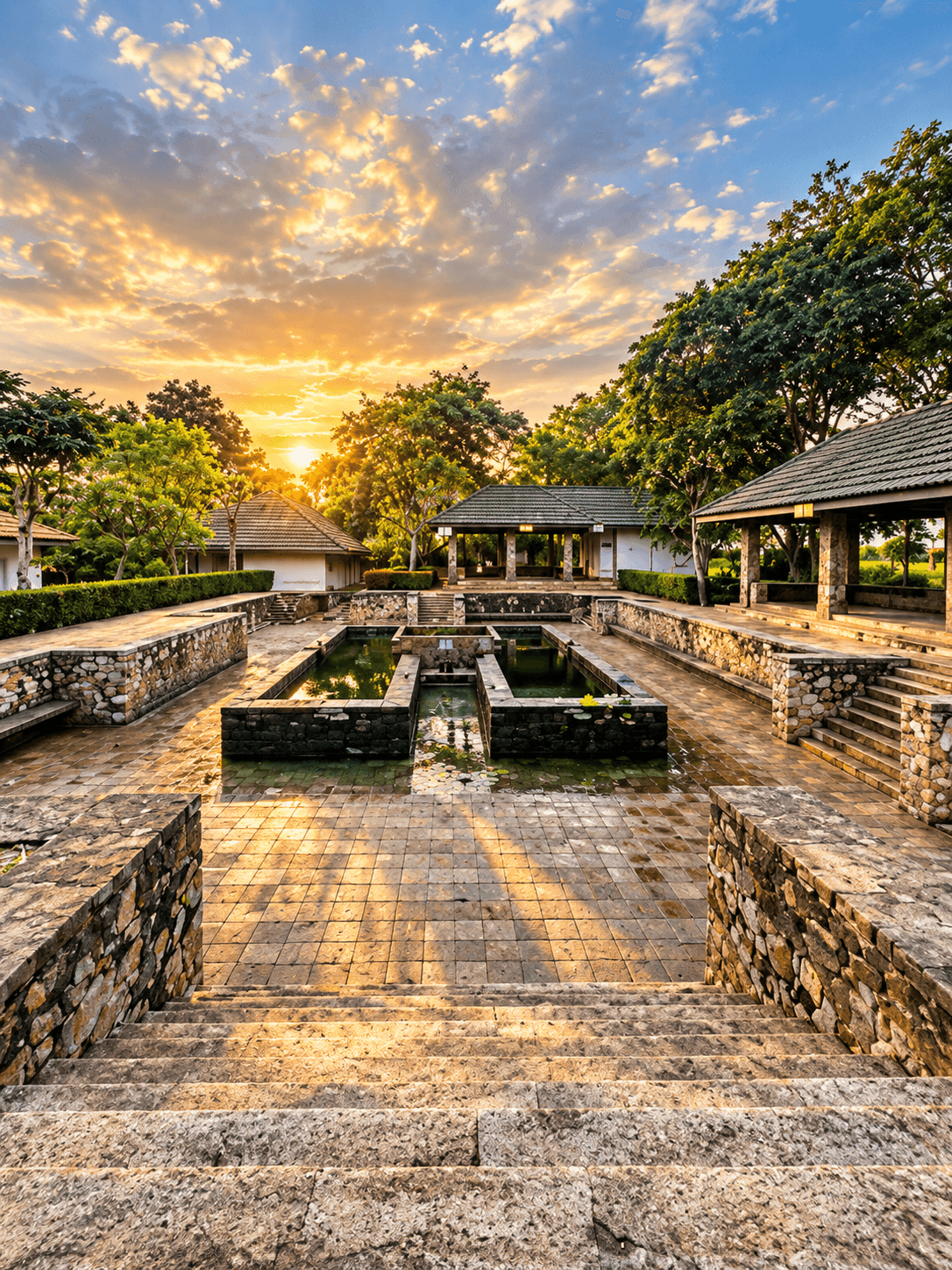
Madunagala features five distinct circular stone-rimmed wells arranged within an immaculate, landscaped parkland. Understanding the layout and traditional etiquette ensures a delightful and respectful experience:
1. Graduated Well Temperatures
The five wells vary slightly in water temperature. The primary central well—where the thermal aquifer bubbles up most vigorously—is the hottest, reaching approximately 48°C (118°F). The secondary perimeter wells dissipate slight heat as water flows through subterranean stone pipes, offering slightly milder temperatures around 44°C to 46°C. This graduated thermal spectrum allows bathers to acclimate their skin gradually before tackling the steaming heat of the hottest basin.
2. The "Scoop and Pour" Bathing Ritual
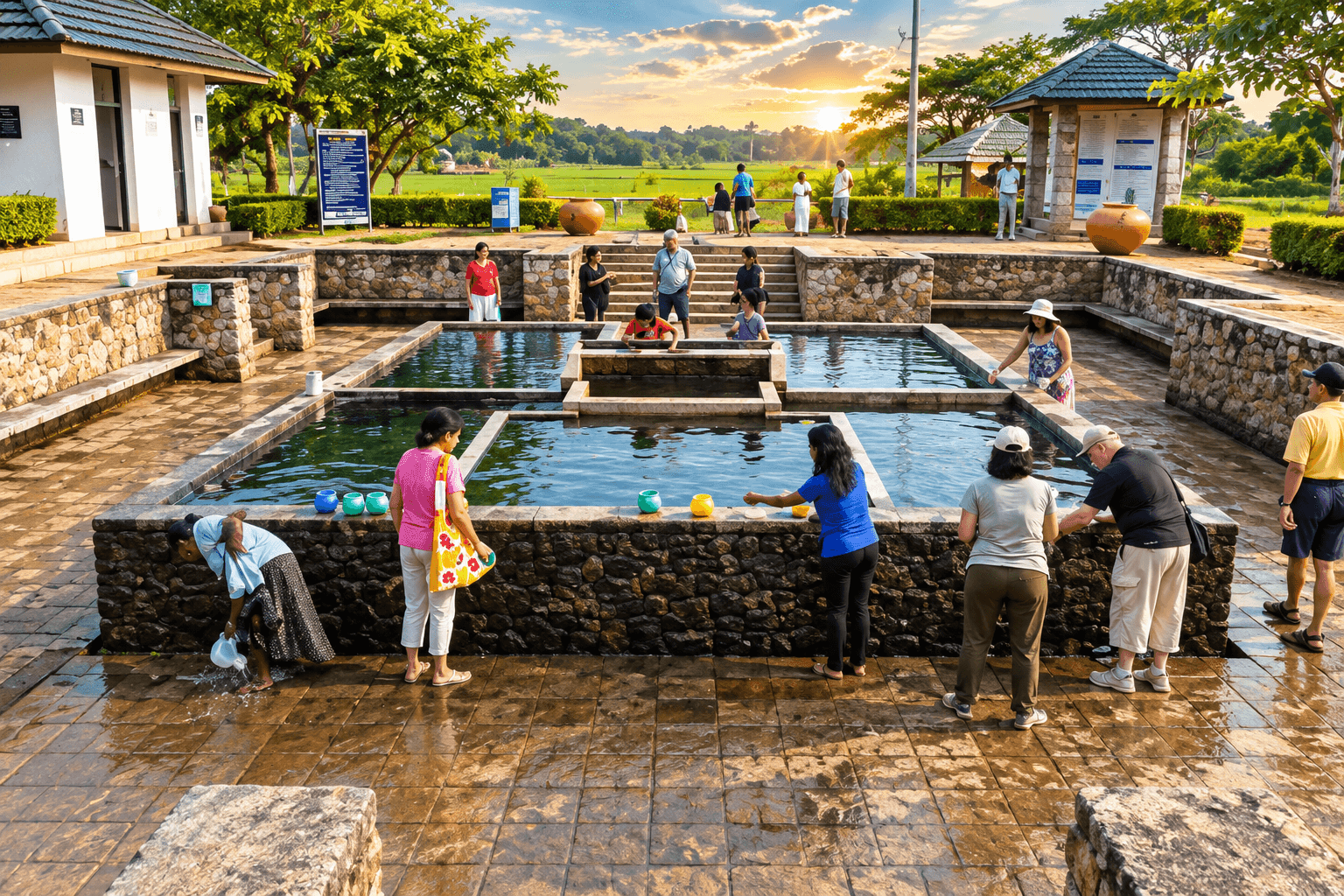
Unlike Western or Japanese hot spring *onsen* where bathers submerge their entire bodies directly into communal pools, Sri Lankan thermal well etiquette strictly prohibits stepping into or sitting inside the wells. This preserves the absolute cleanliness and clarity of the natural spring water for all visitors. Instead, the traditional ritual is simple and communal: bathers stand in the designated tiled drainage bays surrounding the wells, dip clean plastic buckets (*baldiya*) into the thermal wells, and pour the steaming mineral water generously over their shoulders, back, and limbs.
3. The Contrast Pour Method
Experienced thermal bathers employ the classic contrast hydrotherapy method: pour several buckets of warm 45°C thermal water over your body for three to five minutes, allowing your skin to flush with rejuvenating heat, followed by a brief cooling pause in the shaded ambient breeze. Repeating this cycle three or four times produces an exhilarating sensation of lightness, relaxation, and physical well-being.
Chapter 5: Comparison of Sri Lanka’s Major Geothermal Hot Springs
While Madunagala is the premier thermal destination in southern Sri Lanka, the island hosts several other historic hot springs scattered along the Eastern and North-Central tectonic suture. Understanding how Madunagala compares illuminates its unique character:
| Hot Spring Site | Location & Province | Temperature Range | Distinguishing Feature |
|---|---|---|---|
| Madunagala (Mahapelessa) | Sooriyawewa, Southern Province | 44°C – 48°C | Modern paved facility, landscaped park, 5 graduated wells, close to Udawalawe |
| Kanniya Hot Springs | Trincomalee, Eastern Province | 38°C – 42°C | 7 square stone wells linked to Ravana mythology and Koneswaram temple |
| Maha Oya Hot Springs | Ampara, Eastern Province | 50°C – 56°C | Hottest springs on the island; rural wilderness setting; strong sulfur aroma |
| Wahawa Hot Springs | Padiyatalawa, Eastern Province | 42°C – 46°C | Secluded natural rock basin surrounded by forest streams and paddy fields |
| Rankihiriya Hot Springs | Gomarankadawala, Eastern Province | 40°C – 44°C | Ancient monastic ruins nearby; peaceful rural village atmosphere |
Chapter 6: Nearby Cultural Jewel: Madunagala Forest Hermitage
Just eight kilometers northwest of the thermal springs lies one of Sri Lanka’s most revered, ancient Buddhist forest meditation monasteries: Madunagala Aranya Senasanaya (Madunagala Forest Hermitage). Combining your thermal bath with a pilgrimage to this sacred hermitage creates an extraordinary day of holistic wellness and spiritual serenity.
Dating back more than 2,200 years to the pre-Christian Anuradhapura era, the hermitage is set amidst a dramatic labyrinth of giant granite rock boulders and pristine dry-zone forest. Monks belonging to the strict forest meditation tradition (*Vanya Nikaya*) reside here in isolated rock shelters (*kuti*), completely detached from modern material society. Walking along the silent, sandy meditation pathways beneath ancient ebony and satinwood trees, visitors can observe ancient drip-ledge caves (*Kataram*), rock-cut rain reservoirs, and panoramic rocky summits offering views across the wilderness canopy. Visitors to the hermitage must dress respectfully in white or modest clothing covering shoulders and knees, and maintain absolute contemplative silence.
Chapter 7: Ayurvedic Herbal Decoctions (Kasaaya) & Thermal Synergies
In classical Sri Lankan Ayurvedic medicine, external thermal hydrotherapy is traditionally paired with internal herbal decoctions (*Kasaaya*) to harmonize the three bodily doshas: *Vata* (wind/movement), *Pitta* (fire/metabolism), and *Kapha* (earth/structure). Safari travel over uneven roads invariably aggravates *Vata dosha*, manifesting as muscle spasms, dry skin, fatigue, and nervous tension.
Local Ayurvedic practitioners in Mahapelessa recommend drinking a warm cup of herbal *Ranawara* (Senna auriculata) or *Belimal* (Bael flower) tea immediately following your thermal bath. These golden floral teas purify the blood, regulate internal body temperature, and hydrate internal tissues without chilling the digestive fire (*Agni*). Drenched in natural mineral water on the outside and nourished with antioxidant flavonoids on the inside, your entire physiology returns to a state of radiant equilibrium.
Chapter 8: Flora & Fauna of the Mahapelessa Dry-Zone Scrub
The parkland surrounding Madunagala Hot Springs is an active wildlife corridor where the dry-zone wilderness meets agricultural village hamlets. While relaxing in the shaded pavilions, nature lovers can observe a wealth of native flora and fauna:
- Centuries-Old Tamarind Trees (Tamarindus indica): Massive spreading canopies provide dense, cooling shade over the visitor rest areas. Their tart pods are harvested by village women for traditional culinary seasonings.
- Toque Macaques (Macaca sinica): Endemic troop monkeys forage playfully in the treetops. Keep snacks and shiny objects safely stowed in backpacks, as these intelligent primates are adept scavengers!
- Dry-Zone Avifauna: Keep an ear tuned for the cheerful calls of the Indian Peafowl, the metallic chiming of the Coppersmith Barbet, and the brilliant orange flash of the Rufous Treepie hopping through thorn bushes.
- Palmyra & Wild Date Palms (Phoenix pusilla): The perimeter wetlands host dense thickets of wild date palms whose sweet orange berries provide food for resident civet cats and bulbuls.
Chapter 9: Practical Travel Logistics, Amenities & Packing Checklist
Ensure a seamless visit to Madunagala Hot Springs with this practical field guide:
| Logistical Element | Field Detail | Traveler Recommendation |
|---|---|---|
| Driving Distance & Time | 35 km from Udawalawe; 40 to 45 minutes via Sooriyawewa | Paved provincial highway; smooth ride suitable for all vehicle types |
| Best Visiting Windows | 6:30 AM to 8:30 AM (Sunrise) or 5:00 PM to 6:30 PM (Sunset) | Avoid midday (11:00 AM – 3:00 PM) when ambient heat makes hot water uncomfortable |
| Admission Ticket Fees | LKR 100 (Local adults) / LKR 500 – 800 (Foreign travelers) | Tickets purchased at the gate entrance; supports parkland upkeep |
| On-Site Facilities | Changing cabins, clean shower rooms, restrooms, luggage lockers | Bring a modest combination lock if you wish to use the secure lockers |
| Cultural Dress Code | Modest swimwear covered by cotton t-shirt and knee-length shorts | Bikinis or revealing European swimsuits are culturally inappropriate at this public site |
What to Bring in Your Bathing Daypack:
- Two Sets of Clothes: Your bathing apparel (shorts and cotton t-shirt) plus a fresh set of dry, comfortable clothes to change into after bathing.
- Quick-Drying Towel: A compact microfiber travel towel to dry off quickly before entering the air-conditioned vehicle.
- Hydration Flask: Thermal bathing induces profuse perspiration; carry at least 1.5 liters of cool drinking water or fresh king coconut water (*thambili*) to rehydrate.
- Waterproof Pouch: A secure zip-lock pouch or small dry bag to keep your phone, wallet, and car keys protected from splashes around the bathing bays.
- Natural Soap & Shampoo: Biodegradable toiletries if you wish to shower off in the private changing cubicles after thermal water pouring.
Chapter 10: Combining Madunagala Hot Springs with an Udawalawe Safari Day
Experience the ultimate balance of wilderness excitement and thermal relaxation by linking Udawalawe and Madunagala into a seamless day schedule:
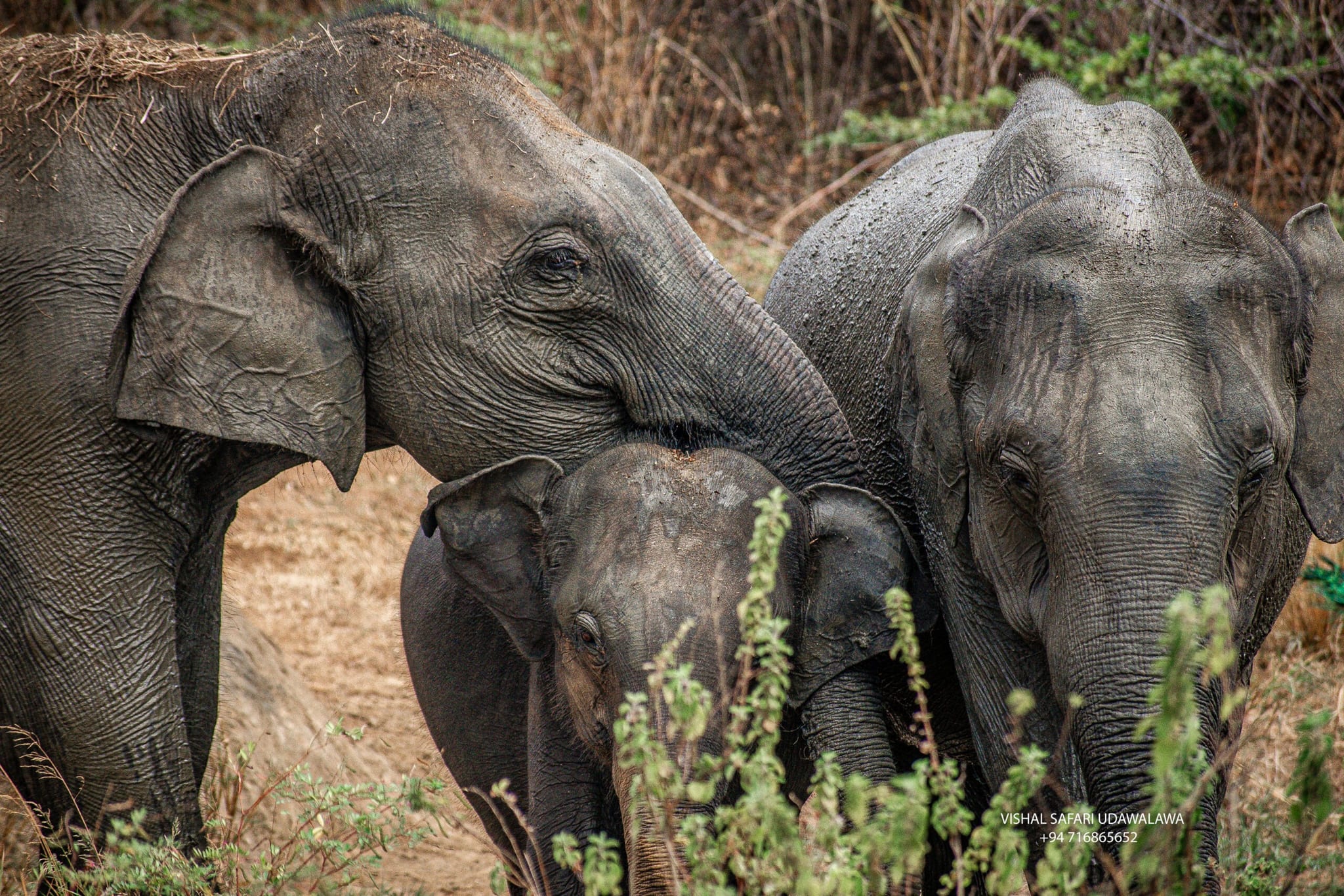
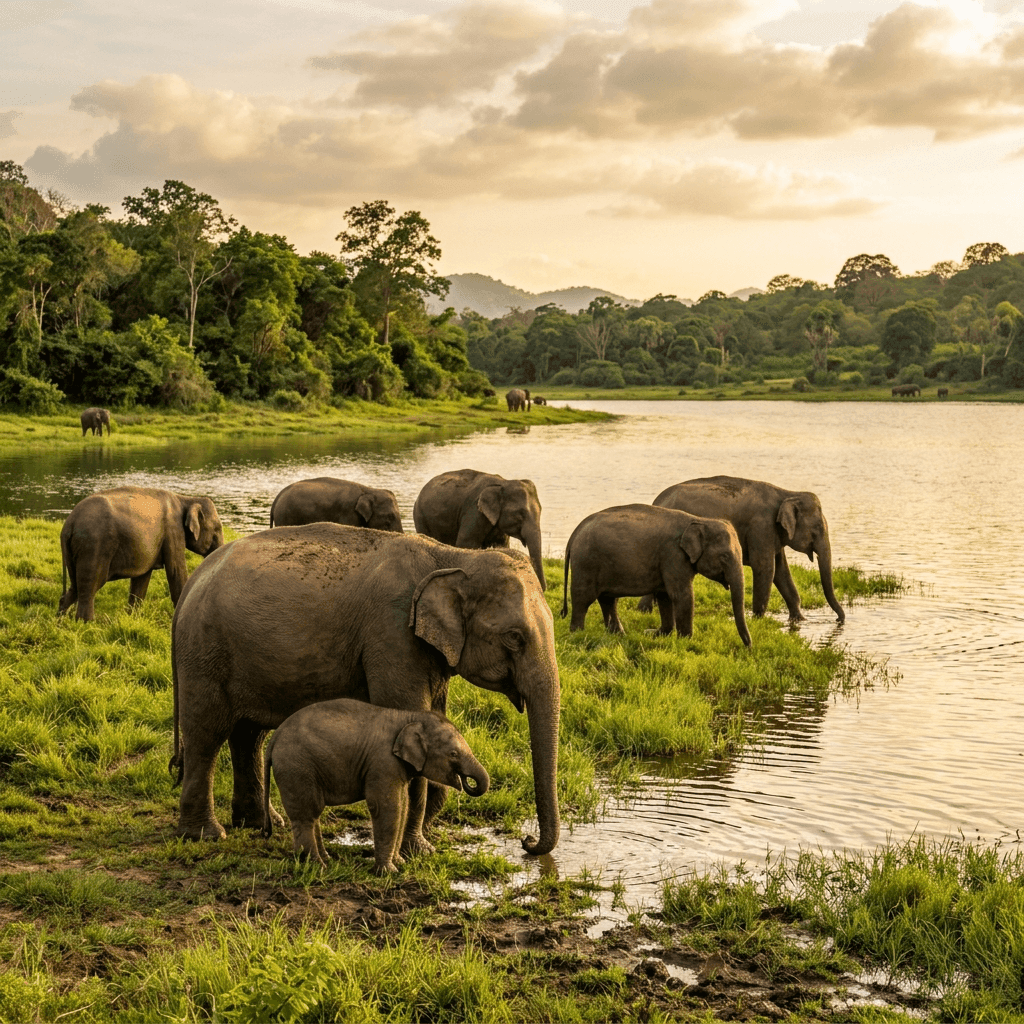
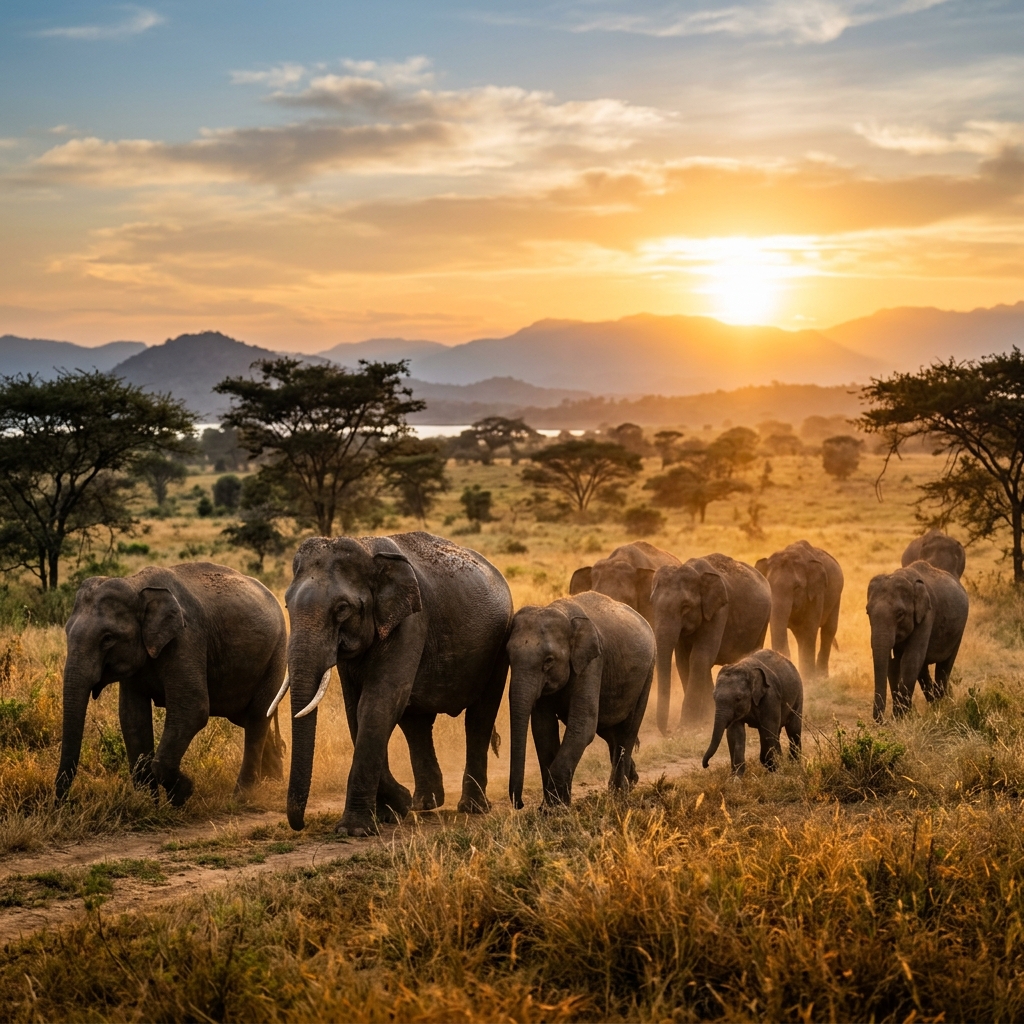
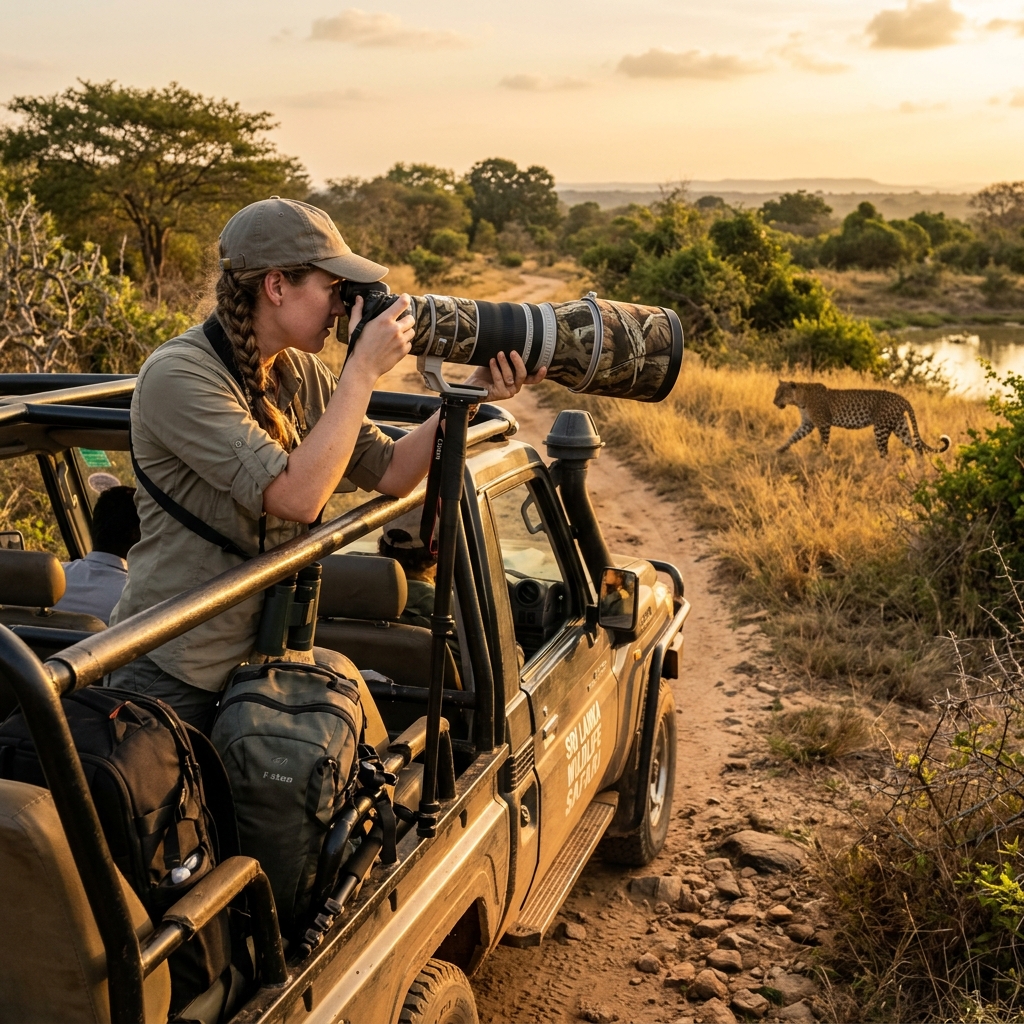
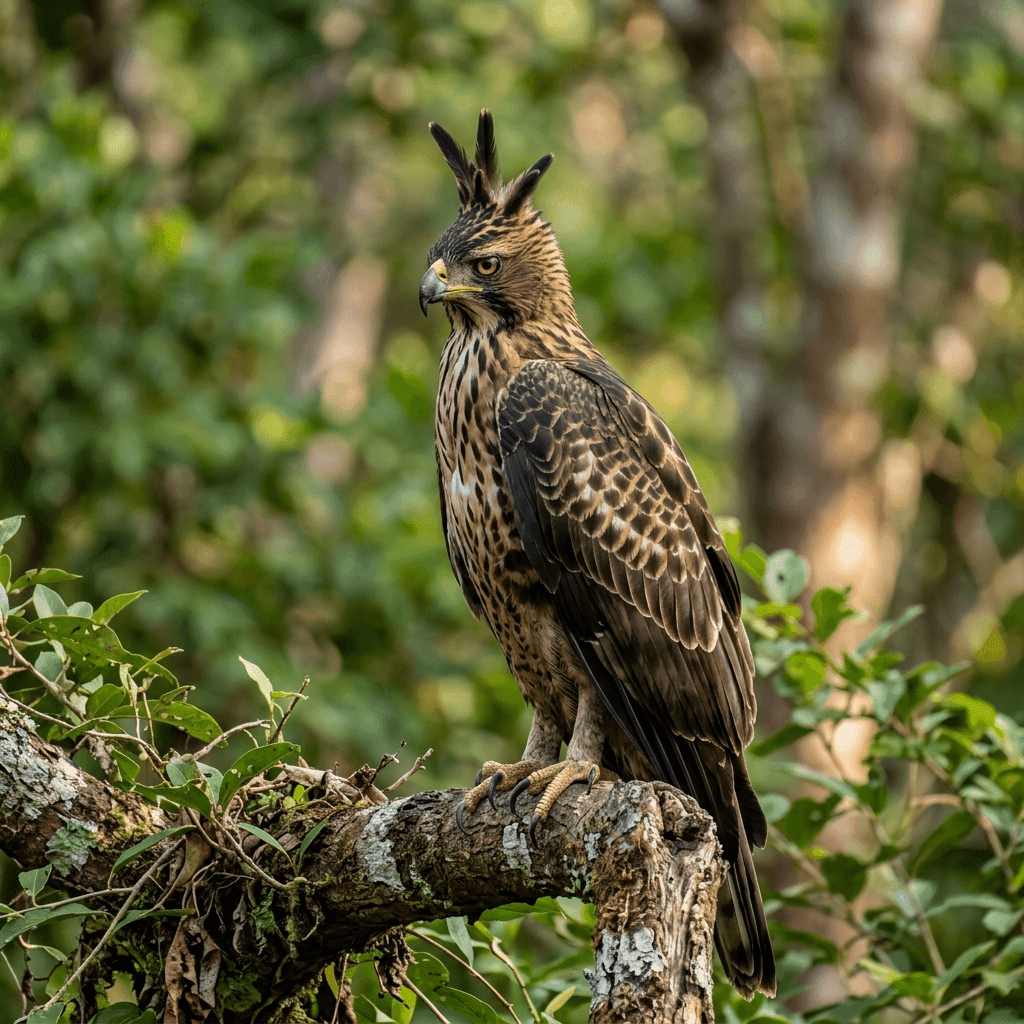
- 5:30 AM to 9:30 AM – Morning Safari in Udawalawe National Park: Spot active elephant herds, leopards, raptors, and herds of spotted deer across the morning savanna.
- 9:30 AM to 11:30 AM – Hotel Brunch, Pool Rest & Shower: Return to your resort, savor a leisurely brunch, and rest during the peak midday heat.
- 2:00 PM to 3:30 PM – Madunagala Forest Hermitage Pilgrimage: Drive to the ancient rock monastery, walk the serene stone meditation paths, and experience ancient cave spirituality.
- 4:00 PM to 5:45 PM – Therapeutic Thermal Bathing at Madunagala: Arrive at the hot springs as the afternoon air cools. Enjoy the rejuvenating mineral bucket baths under the shade of tamarind trees.
- 5:45 PM to 6:30 PM – Fresh King Coconut & Sunset Drive: Savor fresh king coconut water from local roadside vendors and enjoy the golden sunset drive back to Udawalawe.
- 7:30 PM – Candlelit Traditional Dinner: Relish a peaceful dinner at your hotel, enjoying the deep, restorative sleep induced by a day of fresh air and thermal waters.
Chapter 11: Geothermal Energy Research & Clean Energy Potential
Beyond its recreational and balneological value, Madunagala Hot Springs has been the focus of groundbreaking renewable energy research in Sri Lanka. As the island seeks to expand its green energy footprint beyond hydroelectricity and solar power, geothermal engineers and university geologists have conducted deep subsurface exploratory drilling and resistivity surveys around the Sooriyawewa tectonic fracture zone.
Studies indicate that while surface discharge temperatures hover at a comfortable 48°C, the temperature of the subterranean geothermal aquifer three kilometers beneath Maduwanwela and Mahapelessa exceeds 120°C to 140°C under high hydrostatic confinement. International energy consultants have proposed utilizing low-enthalpy binary cycle geothermal power plants—similar to those operating in Iceland, New Zealand, and Turkey—to tap this subterranean thermal resource. Such plants could generate continuous, baseload clean electricity for regional agricultural cold-storage facilities without producing greenhouse gas emissions or consuming fossil fuels, transforming an ancient geological anomaly into a modern catalyst for sustainable regional development.
Chapter 12: Local Village Livelihoods, Clay Pottery & Rural Hospitality
A journey to Madunagala is incomplete without engaging with the vibrant rural community of Mahapelessa and Sooriyawewa. For generations, local families have lived in harmony with the thermal springs, integrating the mineral waters and surrounding river clay into traditional livelihoods:
1. Terracotta Pottery Crafts (*Kumbalkaruwo*)
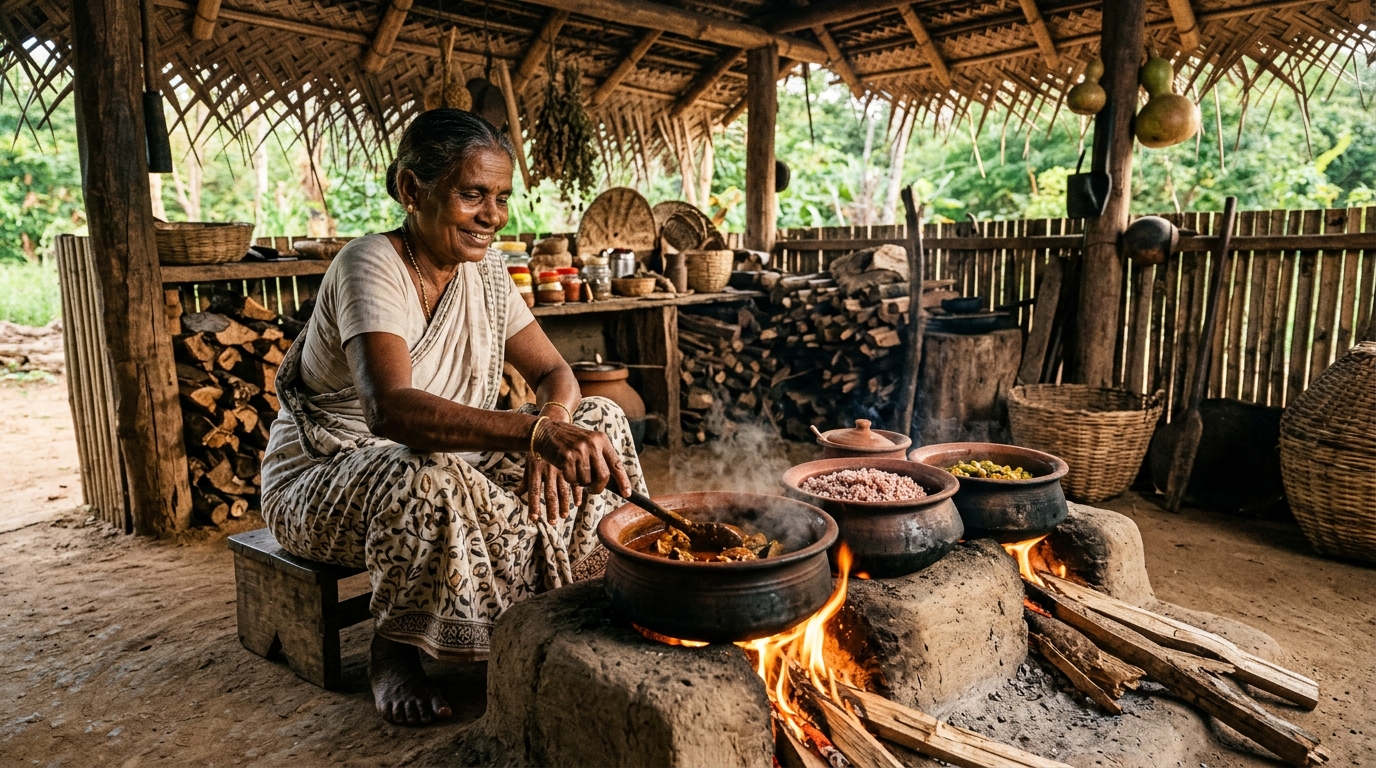
The rich alluvial clay deposits along the nearby Walawe river tributaries are prized for crafting traditional terracotta cookware and curd pots (*Meekiri Hatti*). In small family workshops bordering the village road, master potters shape clay on traditional foot-turned wooden wheels with astonishing speed and symmetry. Visitors can observe the ancient wood-fired kiln firing techniques and purchase handcrafted terracotta water jugs (*Kula*) that keep drinking water naturally chilled through evaporative cooling.
2. Artisanal Water Buffalo Curd & Kithul Treacle
Sooriyawewa and Mahapelessa are the undisputed heartland of Sri Lankan water buffalo dairy farming. Free-ranging buffalo herds graze on the nutritious grasslands bordering local reservoirs, yielding exceptionally rich, creamy milk with over seven percent butterfat content. Fresh milk is boiled in copper cauldrons and poured into porous terracotta clay pots, where natural lactic cultures ferment it into thick, velvety curd (*Meekiri*). Savoring a bowl of fresh buffalo curd drenched in dark, smoky kithul palm treacle at a roadside thatched-roof stall after a steaming thermal bath is an authentic rural delicacy that delights every palate.
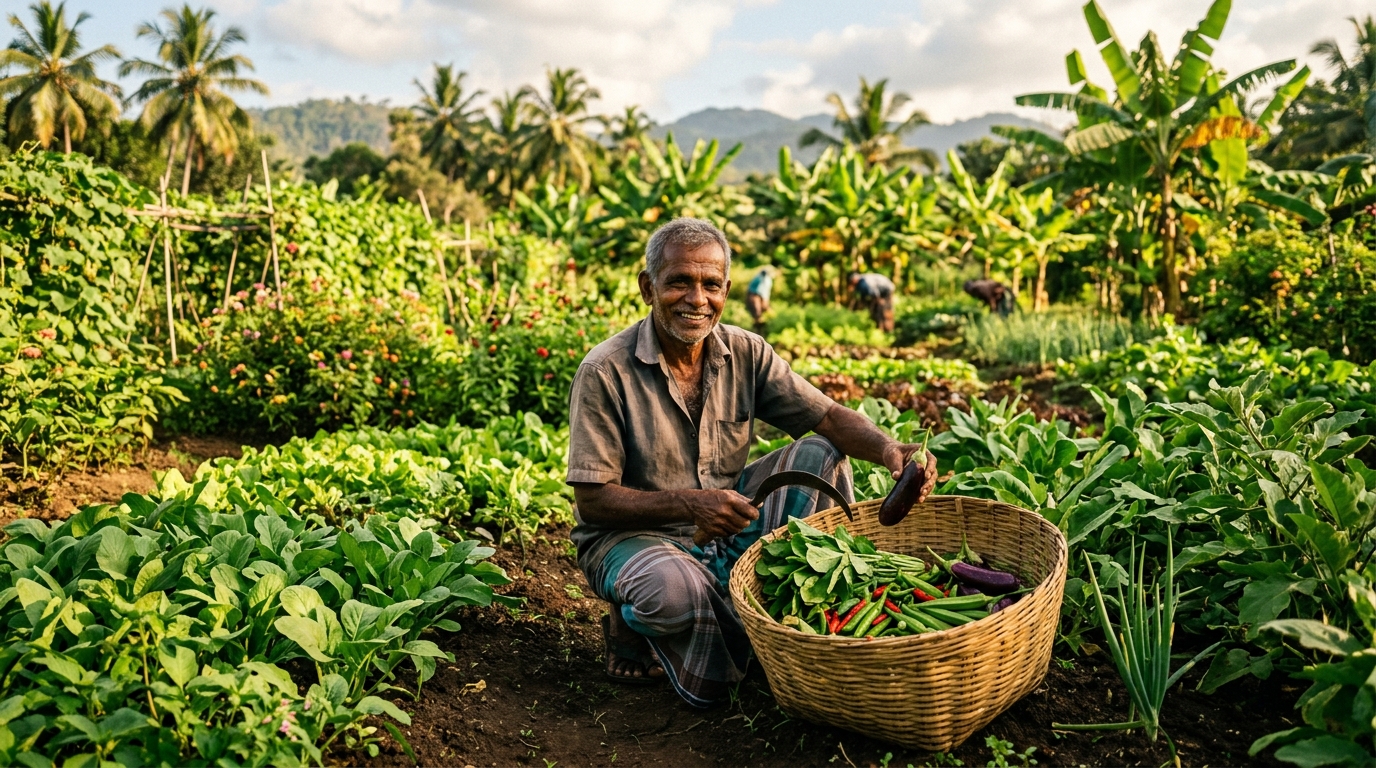
In addition to traditional pottery and dairy farming, many village families cultivate organic dry-zone home gardens (*Kevili Wathu*) bursting with native king coconut palms, woodapple trees (Limonia acidissima), and pomegranate groves. Visiting during the harvest season allows travelers to sample freshly cracked woodapple pulp mixed with a dash of raw wild honey, offering a deliciously tangy and probiotic beverage that complements the detoxifying effects of the hot springs.
The Southern Provincial Department of Tourism has partnered closely with these local farming families to establish eco-friendly village guiding services. Local guides can accompany visitors on leisurely cycling tours through rural gravel lanes, visiting irrigation tanks where wild water birds roost and sharing centuries-old folklore concerning ancient royal visits to the thermal wells.
Chapter 13: Frequently Asked Questions (FAQ)
Q1: How hot is the water in the Madunagala Hot Springs?
The natural geothermal springs bubble up at temperatures ranging between 44°C and 48°C (111°F to 118°F) across five stone-rimmed circular wells, each with slightly varying warmth calibrated by natural flow rates.
Q2: How far are the Madunagala Hot Springs from Udawalawe?
The hot springs are located in Mahapelessa near Sooriyawewa, approximately 35 kilometers southeast of Udawalawe National Park, taking about 40 to 45 minutes by car or tuk-tuk along modern paved roads.
Q3: Do people bathe directly inside the hot spring wells?
No. For hygiene and water quality preservation, bathers do not immerse themselves inside the source wells. Instead, visitors use plastic buckets to scoop water from the wells and pour it over themselves in the surrounding tiled bathing area.
Q4: What are the health and therapeutic benefits of the thermal water?
The mineral-rich geothermal water contains natural sulfur, calcium, magnesium, and bicarbonates, known to soothe muscular fatigue, relieve joint stiffness, improve blood circulation, and nourish skin conditions.
Q5: Are there changing rooms and facilities at Madunagala?
Yes, the site features modern changing cabins, shower rooms, public restrooms, secure lockers, and shaded pavilion seating managed by the Southern Provincial Council.
Q6: What is the best time of day to visit the hot springs?
Early morning (6:30 AM to 8:30 AM) and late afternoon (5:00 PM to 6:30 PM) are the best times. During midday, the combination of hot sun and 48°C thermal water can feel overwhelming.
Q7: What should visitors wear and bring for thermal bathing?
Wear modest swimwear, shorts, or a sarong/cotton t-shirt in accordance with local cultural norms. Bring a change of dry clothes, a towel, toiletries, and plenty of drinking water.
Q8: What is the entrance fee to Madunagala Hot Springs?
A nominal ticket fee is charged at the entrance gate (approximately LKR 100 for local adults and LKR 500-800 for international visitors), which funds maintenance and facility cleanliness.
Q9: Can we visit the Madunagala Forest Hermitage nearby?
Yes! The ancient Madunagala Aranya Senasanaya (Forest Hermitage) is located just 8 kilometers away, nestled among dramatic rocky crags where Buddhist monks practice silent meditation.
Q10: Is the water clean and continuously replenished?
Yes, the water continuously bubbles up from deep geothermal aquifers through natural bedrock fissures, ensuring a constant, fresh, non-stagnant flow of mineral-rich thermal water throughout the day.
.png)