Chapter 1: The Freshwater Playground of Southern Sri Lanka
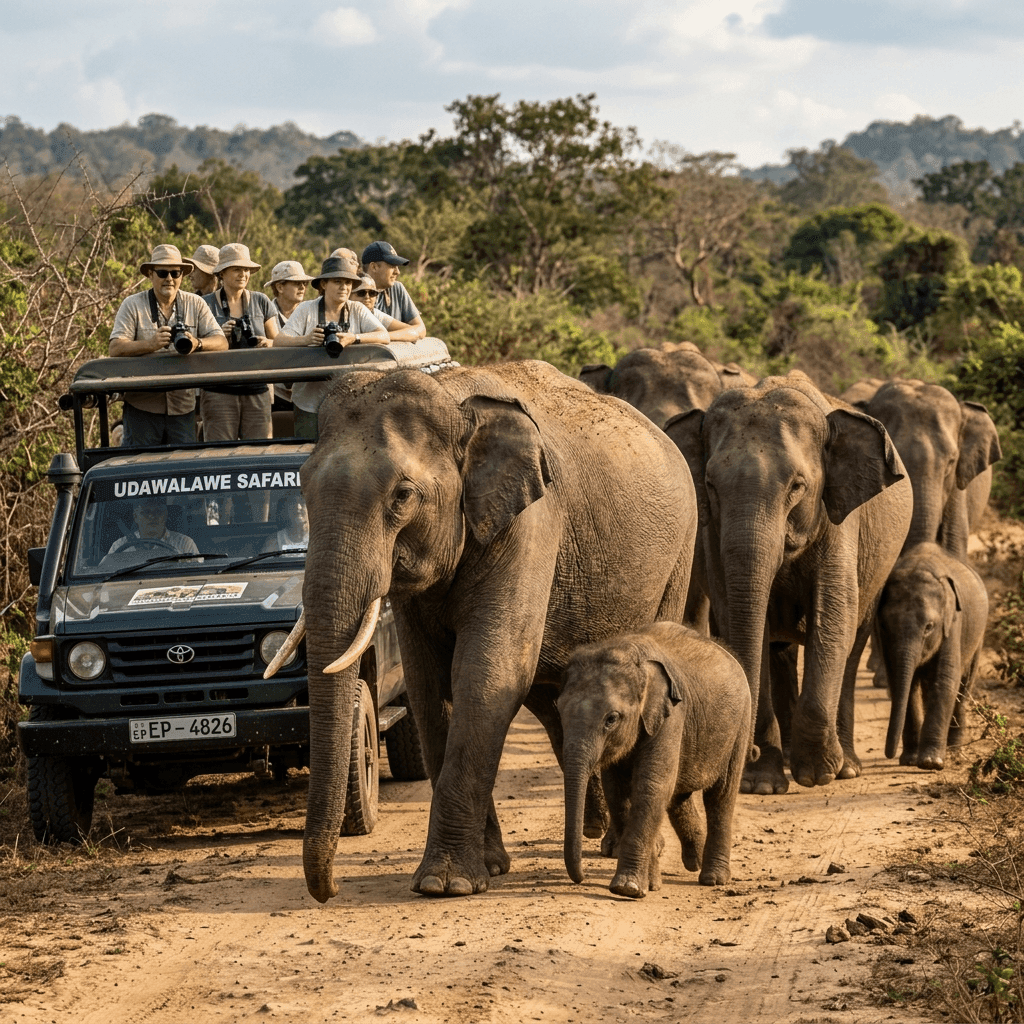
When travelers envision outdoor adventures in Udawalawe, their minds instinctively gravitate toward dry savannah grasslands, dusty gravel trails, and rugged 4x4 safari jeeps tracking elephant herds across the scrubland. Yet, just beyond the national park's terrestrial boundary lies an expansive, glittering aquatic wonderland that offers an invigorating, refreshing contrast: the colossal freshwater lakes, ancient royal reservoirs (*wewas*), and winding river channels of southern Sri Lanka.
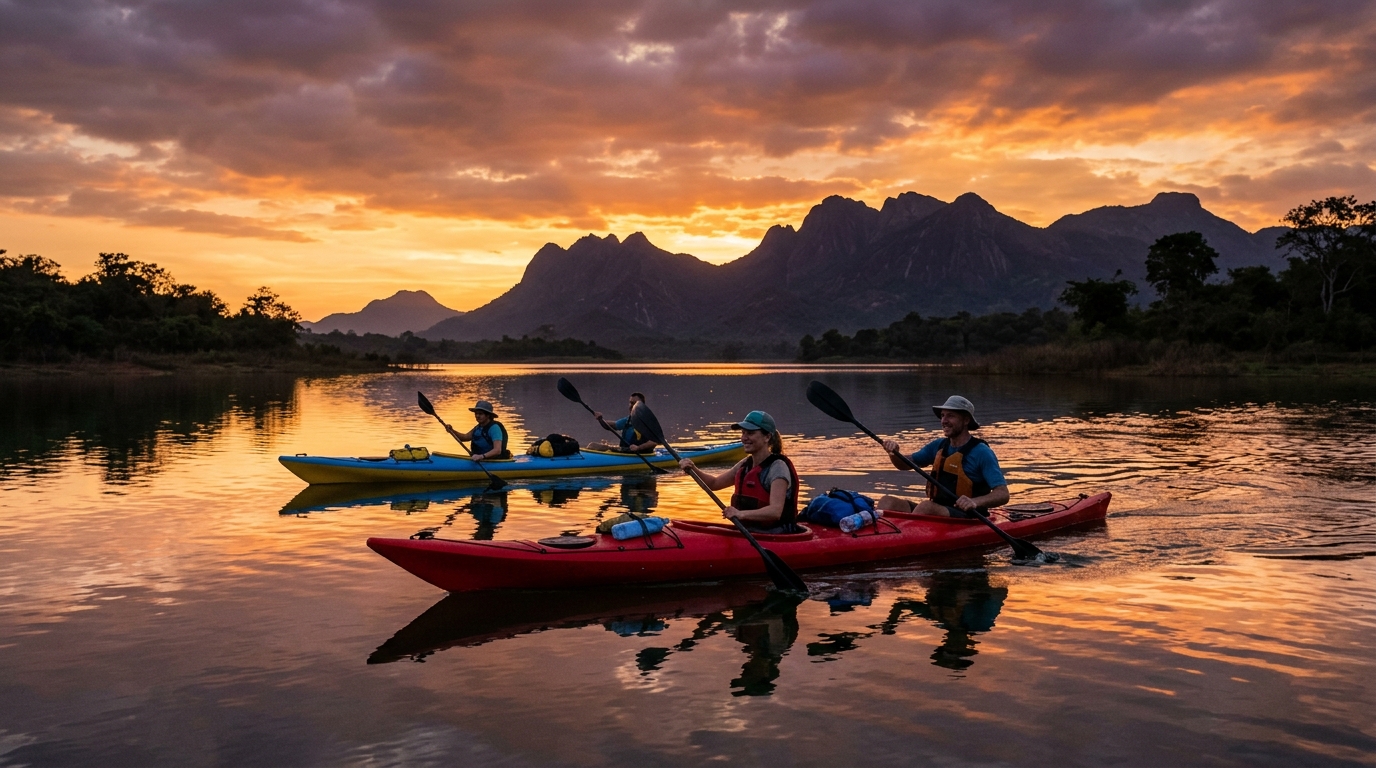
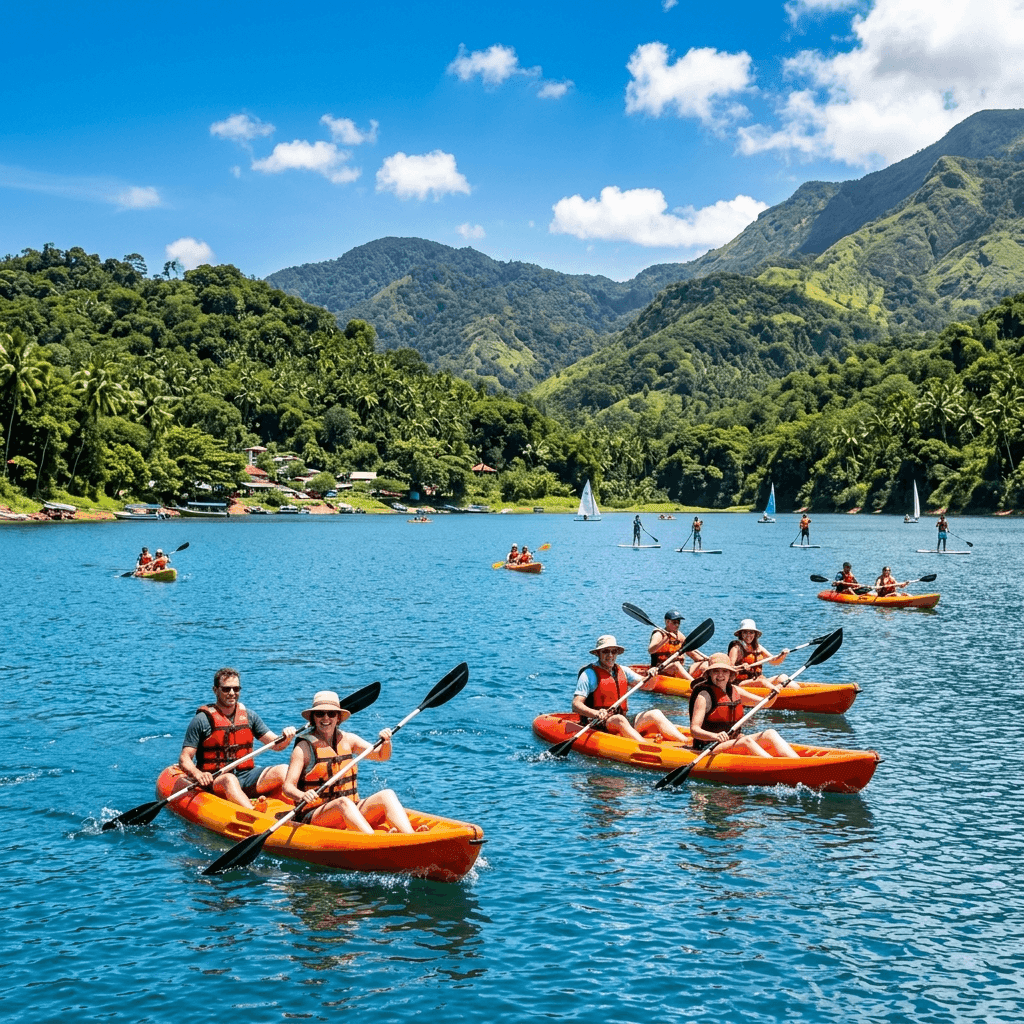
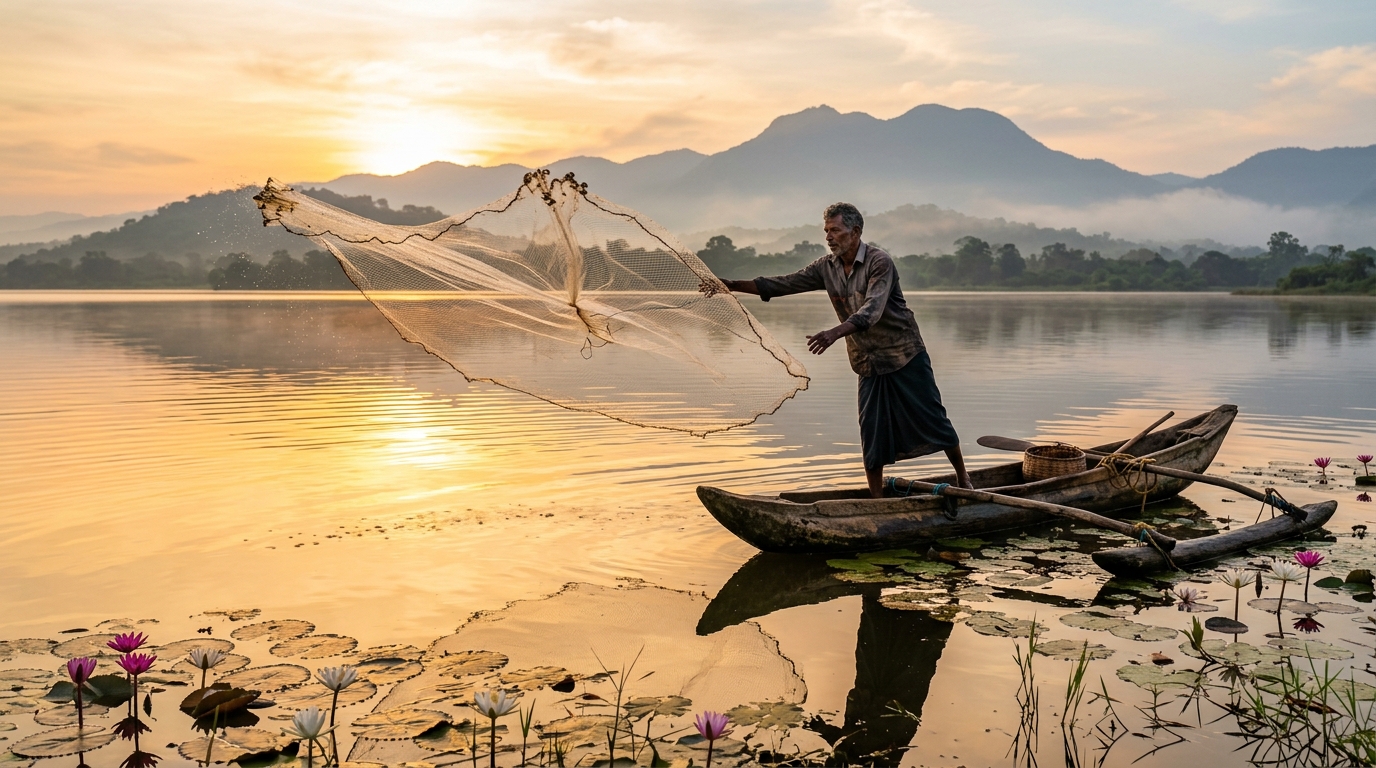
Paddling across these placid, mirror-smooth inland waters aboard a streamlined touring kayak, an open Canadian canoe, or a sleek stand-up paddleboard (SUP) unlocks an entirely new perspective on the island's natural splendor. Gliding noiselessly along tranquil shorelines at water level, you are surrounded by 360-degree panoramic vistas of mist-shrouded mountain peaks, emerald-green jungle foliage, blooming pink lotus fields, and dramatic stands of weathered dead forest timber rising like natural sculptures from the deep water.
Far removed from the crowded coastal surf hubs of Weligama and Ahangama, freshwater paddle sports in the greater Udawalawe basin deliver an atmosphere of serene, meditative seclusion. Whether you are seeking an energetic morning cardiovascular workout paddling across open water, a tranquil family canoe journey exploring secluded wildlife bays, or a romantic sunset paddleboard glide bathed in molten gold light, the inland lakes of Sabaragamuwa provide a world-class aquatic playground for water lovers of all ages.
Chapter 2: The Best Water Bodies for Paddling Around Udawalawe
To ensure maximum safety, scenic grandeur, and strict adherence to environmental regulations, all organized water sports activities take place in authorized, legally designated recreational water bodies outside the national park's restricted wildlife core.
| Water Body Name | Surface Area | Water Conditions | Key Scenic & Experiential Feature | Best Suited Craft |
|---|---|---|---|---|
| Chandrika Lake (Embilipitiya) | Approx. 1,000 Hectares | Expansive, deep, sheltered bays with gentle morning breezes | Scenic forested islands, picturesque perimeter road, mountain backdrops, and active local water sports centers. | Single & Tandem Touring Kayaks, Stand-Up Paddleboards (SUP) |
| Hambegamuwa Reservoir | Approx. 450 Hectares | Glassy, mirror-flat waters sheltered by surrounding ancient forest | Pristine rural serenity, blooming lotus groves, exceptional water-bird viewing, and distant elephant sightings. | Open Canadian Canoes, Stable Sit-on-Top Kayaks |
| Katupila Wewa & Local Tanks | Approx. 120 Hectares | Shallow, placid, warm waters carpeted with white water lilies | Intimate village atmosphere, zero motorized disturbance, ideal for gentle beginner paddling and family explorations. | Recreational Inflatable SUPs, Twin-Seater Family Canoes |
Each of these premier aquatic arenas provides unique paddling dynamics. Chandrika Lake, located just fifteen minutes southwest of Udawalawe town, is celebrated for its expansive open water stretches and small forested islands that make delightful circumnavigation goals. Hambegamuwa Lake, located twenty minutes to the northeast, offers an intimate, untamed wilderness vibe where dense jungle canopies lean over the water's edge, creating shaded tunnels of cool green tranquility.
Chapter 3: The Watercraft Fleet: Choosing Your Vessel
Our water sports centers maintain a modern, professionally serviced fleet of eco-friendly, non-motorized watercraft imported from leading international marine manufacturers. Depending on your personal fitness level, aquatic experience, and group size, you can choose from three distinct paddle craft:
1. Touring Kayaks (Sit-on-Top & Sit-Inside)
Kayaking is the most popular and versatile water sport in the region. We offer both single-seater (*solo*) and two-seater (*tandem*) kayaks molded from high-density, UV-stabilized polyethylene. Our sit-on-top models feature self-bailing scupper holes, ergonomic molded seats with padded backrests, and exceptional secondary stability, making them virtually impossible to capsize—ideal for beginners and families.
For more experienced paddlers seeking speed and efficiency, our sit-inside touring kayaks feature streamlined displacement hulls, adjustable foot braces, and sealed dry hatches, allowing you to slice effortlessly through the water and cover long distances with minimal physical effort.
2. Stand-Up Paddleboards (SUP)
Stand-up paddleboarding has rapidly emerged as one of the world's fastest-growing water sports, and the calm, glassy waters of Udawalawe's lakes provide the perfect environment to try it. We utilize extra-wide (32 to 34 inches), high-volume inflatable touring paddleboards with non-slip EVA deck pads. Standing upright on the water engages your entire core musculature, improves balance, and elevates your line of sight, allowing you to peer directly down into the crystal-clear water to observe swimming fish, freshwater turtles, and submerged aquatic flora.
3. Classic Canadian Canoes
For couples seeking a romantic, peaceful voyage or parents traveling with young children, our classic open Canadian-style canoes offer timeless charm and spacious comfort. Crafted with deep, stable hulls and raised bow-and-stern lines, these vessels comfortably accommodate two adult paddlers plus one or two young children seated in the middle. With ample cargo room for picnic baskets, cameras in dry bags, and binoculars, a Canadian canoe is the ultimate vessel for unhurried nature exploration.
Chapter 4: Wildlife Encounters from the Water
One of the most extraordinary rewards of exploring Udawalawe's lakes by paddle is the remarkable proximity to wildlife. Because non-motorized paddlecraft move without combustion engine noise, exhaust fumes, or violent propeller wakes, aquatic animals perceive you as a harmless floating log or a drifting branch, allowing for astonishingly intimate, natural wildlife sightings.
- Majestic Waterbirds: You will paddle past colonies of Little Cormorants and Indian Darters (*snakebirds*) perched on submerged driftwood, wings outstretched to dry in the morning sun. White-bellied Sea Eagles and Grey-headed Fish Eagles soar overhead, occasionally executing thunderous high-speed dives to snatch fish from the water just fifty meters from your bow.
- Kingfishers & Herons: Four distinct species of kingfishers (Common, Pied, White-throated, and Stork-billed) dart like colored arrows between overhanging branches, while Great Egrets, Purple Herons, and Black-crowned Night Herons stand motionless among the lily pads like elegant marble statues.
- Reptiles & Monitors: Asian Water Monitors (*kabaragoya*)—magnificent semi-aquatic lizards measuring up to six feet in length—can frequently be seen swimming effortlessly across open channels, their powerful tails swishing laterally like crocodiles, before hauling out onto sunny granite rocks.
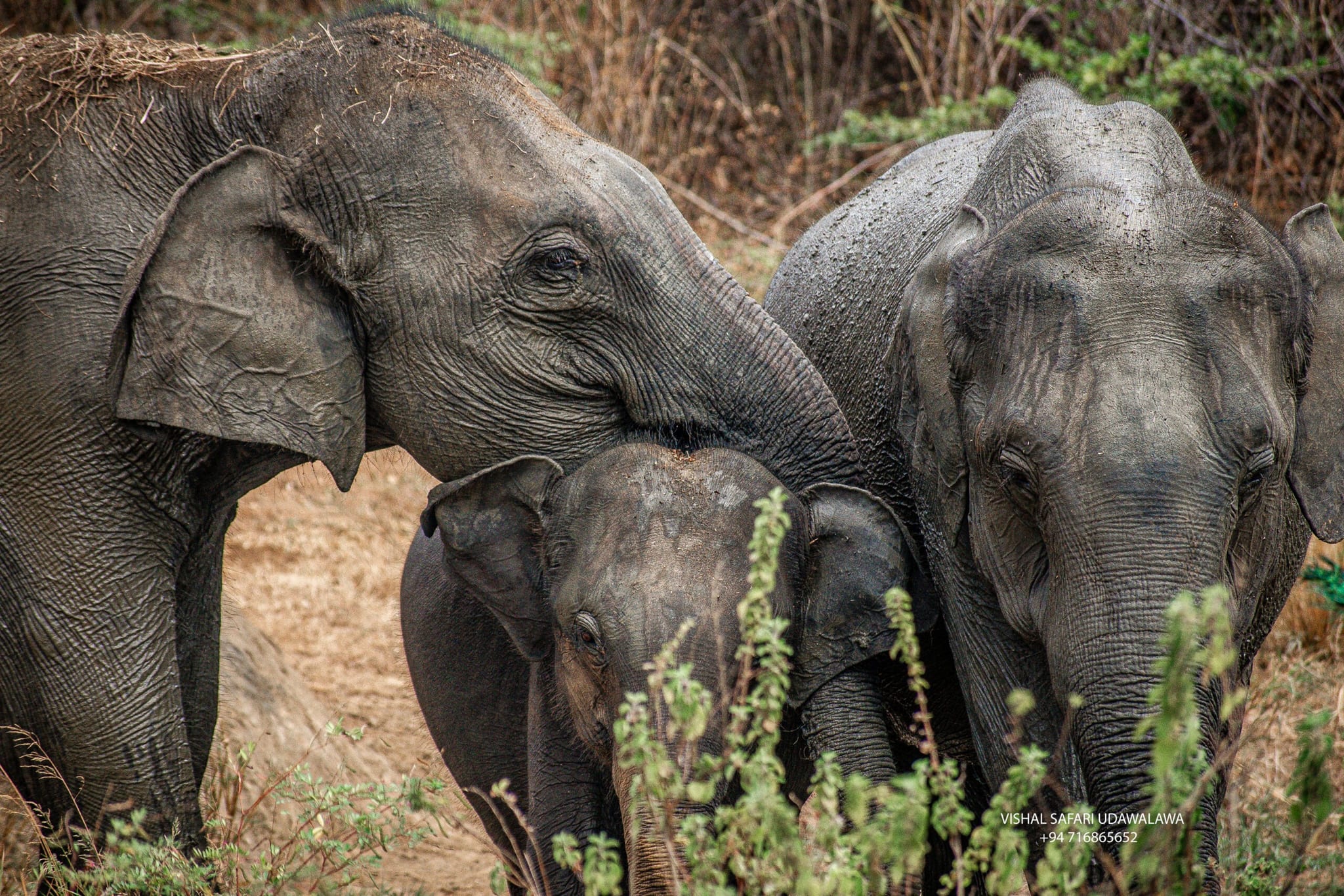
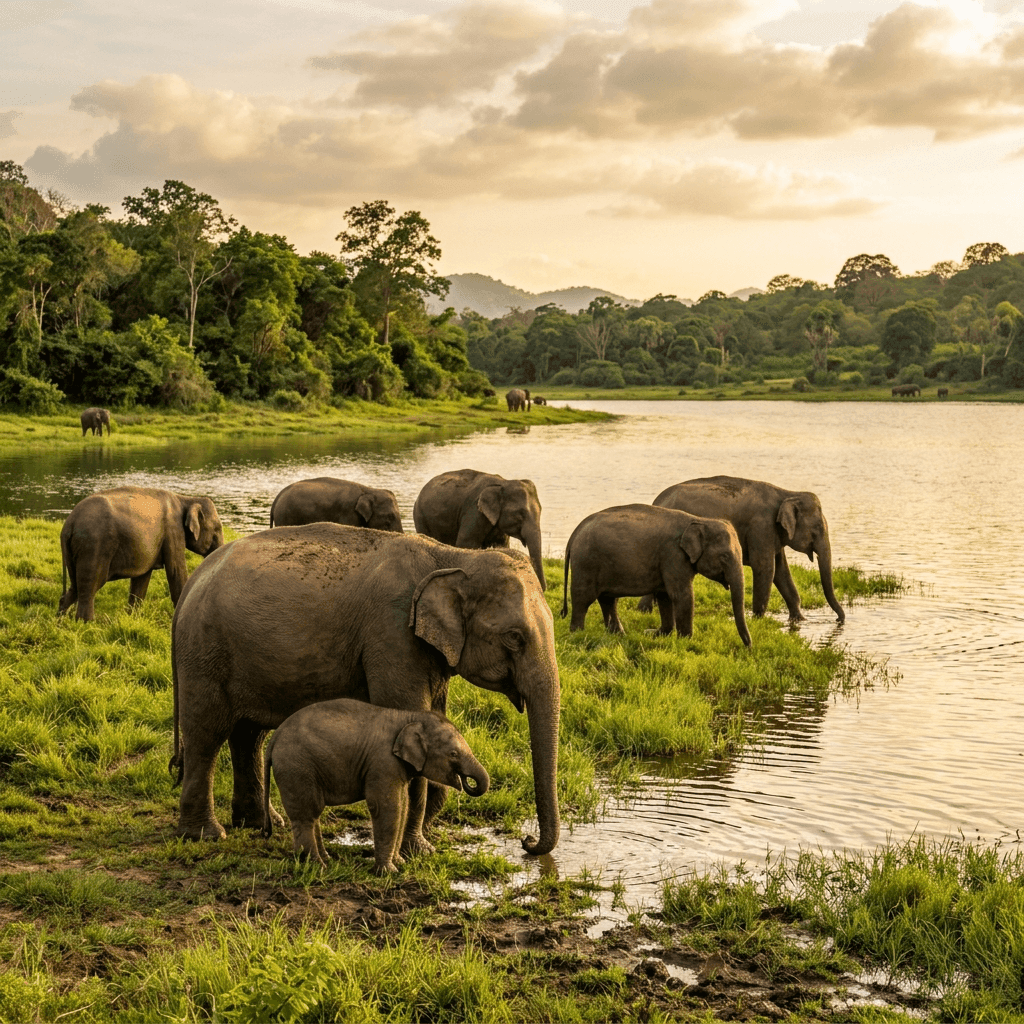
- Shoreline Elephants: In the quiet early morning and late afternoon hours, wild elephants frequently wander down from the surrounding scrub forest to the lake's edge to drink, bathe, and splash in the cooling water. Observing a wild six-ton elephant herd from the seat of a kayak across a safe open-water expanse is an electrifying, awe-inspiring experience that few adventures on earth can replicate.
Chapter 5: Professional Safety Standards & Risk Management
Guest safety is the absolute cornerstone of all water sports operations. While inland lakes are generally placid and gentle, operating around tropical water bodies demands uncompromising professional standards:
| Safety Protocol | Standard Equipment & Practice | Operational Guarantee |
|---|---|---|
| Personal Flotation Devices (PFDs) | CE-certified 50N/100N marine buoyancy life jackets | Strictly mandatory for all guests and staff at all times on the water. |
| Guide Accompaniment | Certified swiftwater/flatwater rescue instructors on lead & sweep kayaks | Guides carry throw-bags, marine VHF radios, and waterproof trauma kits. |
| Pre-Launch Safety Briefing | 20-minute land-based tutorial covering strokes, balance, and capsize drills | Ensures complete confidence and comfort before entering the water. |
| Wildlife Safety Buffers | Strict 100-meter minimum buffer from shoreline elephants and marsh habitats | Maintains complete situational safety while respecting wildlife space. |
| Weather & Wind Monitoring | Continuous real-time wind speed and lightning radar monitoring | Immediate onshore return protocols in the event of sudden tropical gusts. |
Furthermore, all our aquatic guides are certified in CPR, First Aid, and Life Saving by the Sri Lanka Life Saving Association. Guests can relax in total peace of mind, knowing that every facet of their aquatic voyage has been engineered with meticulous care.
Chapter 6: Step-by-Step Guided Kayaking Itinerary
A typical morning kayaking excursion unfolds as follows:
- 6:00 AM – Lakeside Arrival & Sunrise Coffee: Arrive at the lakeside water sports basecamp as the sun rises behind the eastern hills. Enjoy a steaming cup of Ceylon tea or locally roasted coffee while watching morning mist drift across the water.
- 6:20 AM – Gear Fitting & Land Briefing: Fit your life jacket, select your lightweight composite paddle, and participate in a short, interactive clinic on forward propulsion, sweep turns, reverse braking, and proper posture.
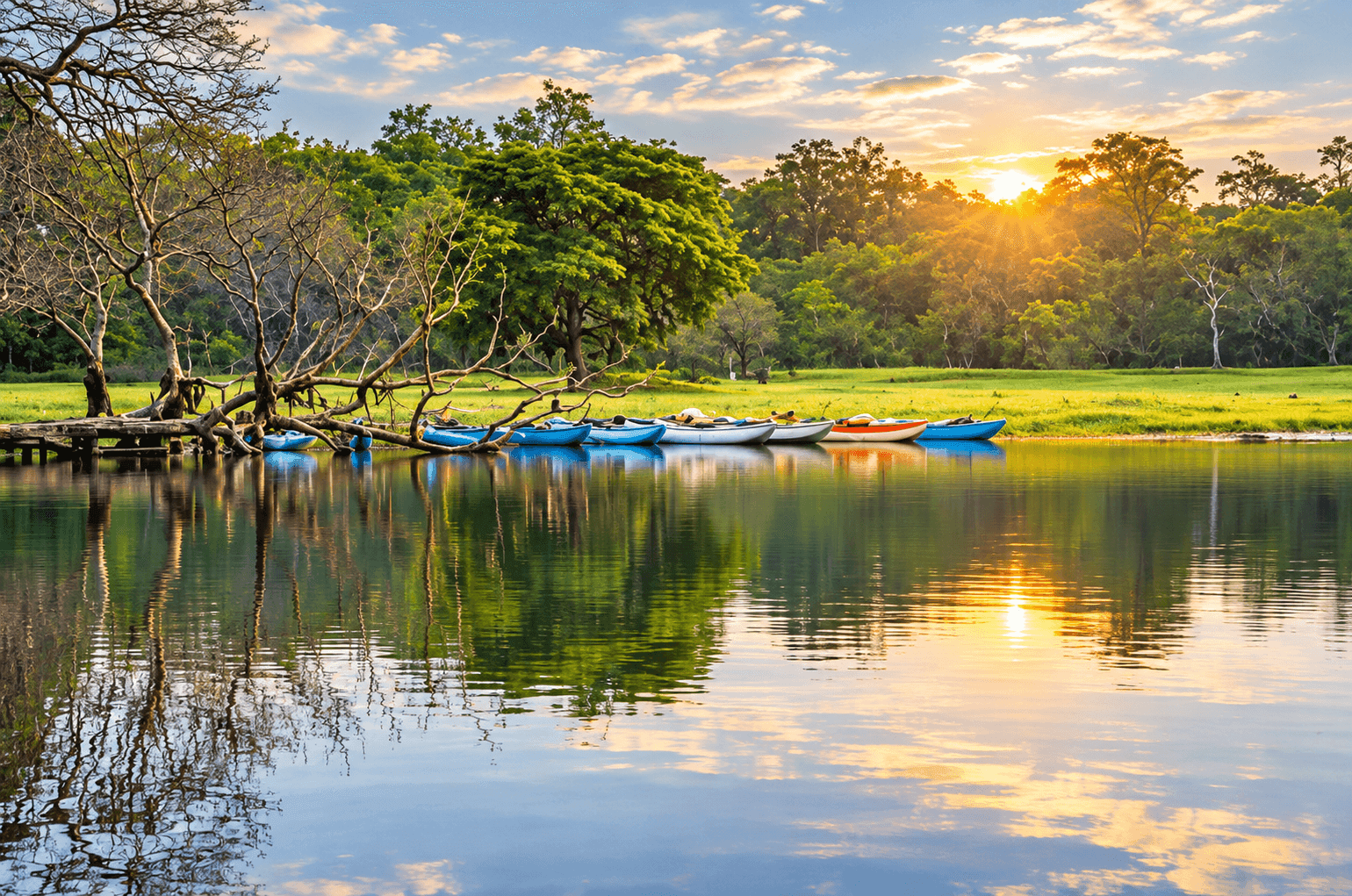
- 6:40 AM – Launch into the Glass: Push off gently from the sandy beach. The lake surface is completely mirror-flat, reflecting the sky in brilliant hues of lavender, rose, and gold.
- 7:15 AM – Circumnavigation of Bird Island: Paddle across open water toward a secluded forested island. Glide through blooming fields of pink lotus flowers and observe nesting colonies of cormorants and egrets.
- 8:00 AM – Island Beach Rest Stop: Pull your kayaks onto a secluded sandy beach on the opposite shore. Stretch your legs, enjoy fresh tropical fruits (pineapple, watermelon, bananas), and sip chilled king coconut water.
- 8:30 AM – The Golden Return Glide: Paddle leisurely back toward the basecamp, taking in the full majestic panorama of the surrounding mountain ranges.
- 9:00 AM – Shore Arrival & Refreshment: Disembark, dry off with complimentary fresh towels, and transfer back to your hotel for a hearty tropical breakfast.
Chapter 7: Stand-Up Paddleboard (SUP) Yoga & Fitness
For travelers interested in holistic wellness and mindful movement, our early-morning Stand-Up Paddleboard (SUP) Yoga sessions offer an extraordinary fusion of physical fitness and natural serenity. Anchoring your wide paddleboard in a sheltered, mirror-still cove filled with blooming water lilies, a certified yoga instructor guides you through a gentle sequence of pranayama breathing, sun salutations (*Surya Namaskar*), and balance-focused asanas.
Practicing yoga on an unstable, floating platform engages deep stabilizing core muscles, enhances proprioception, and demands total mental focus. Feeling the gentle, rhythmic lap of water beneath your board while listening to birdsong and breathing the pure, cool morning air creates a sense of tranquil bliss that no indoor yoga studio can ever match.
Chapter 8: Best Seasons & Weather Windows
Water sports can be enjoyed year-round in southern Sri Lanka, but conditions vary by season:
- Dry Season (May to September): Sunny skies, warm temperatures, and calm mornings. The water is pleasantly warm, making early morning paddles from 6:00 AM to 8:30 AM utterly sublime. Late mornings can introduce moderate thermal breezes, making mornings the preferred window.
- Inter-Monsoon Season (October to December): Lush green landscapes and full reservoir water levels. Early mornings are consistently calm, cool, and crystal clear, though afternoon convective rain showers are common.
- Cool Winter Season (January to April): The absolute gold standard for water sports in Sri Lanka. Glass-flat water conditions, clear blue skies, minimal wind, and thousands of migratory waterfowl create paradise for paddlers and photographers alike.
Chapter 9: What to Pack & Preparation Advice
To maximize your comfort and enjoyment on the water, pack the following essential items:
- Sun Protection: The reflection of tropical sunlight off open water doubles UV exposure. Apply broad-spectrum water-resistant sunscreen (SPF 50+) to face, neck, arms, and legs. Wear polarized sunglasses with a floating retention neck strap, and a wide-brimmed sun hat.
- Waterproof Protection: Bring a high-quality dry bag (provided by our tour team or bring your own) for smartphones, wallets, and camera equipment. Waterproof phone cases that hang around your neck are ideal for capturing quick photos while paddling.
- Hydration: Drink plenty of water before launching. We provide stainless-steel water bottles mounted in secure bungee deck cords on all kayaks and paddleboards.
- Footwear: Neoprene water booties, sandals with secure heel straps (Teva/Chaco), or simple barefoot paddling on the board deck. Avoid heavy lace-up running shoes that become waterlogged.
Chapter 10: Combining Water Sports with Your Udawalawe Adventure
Water sports provide the ideal refreshing balance to a safari-intensive itinerary. A highly recommended two-day plan:
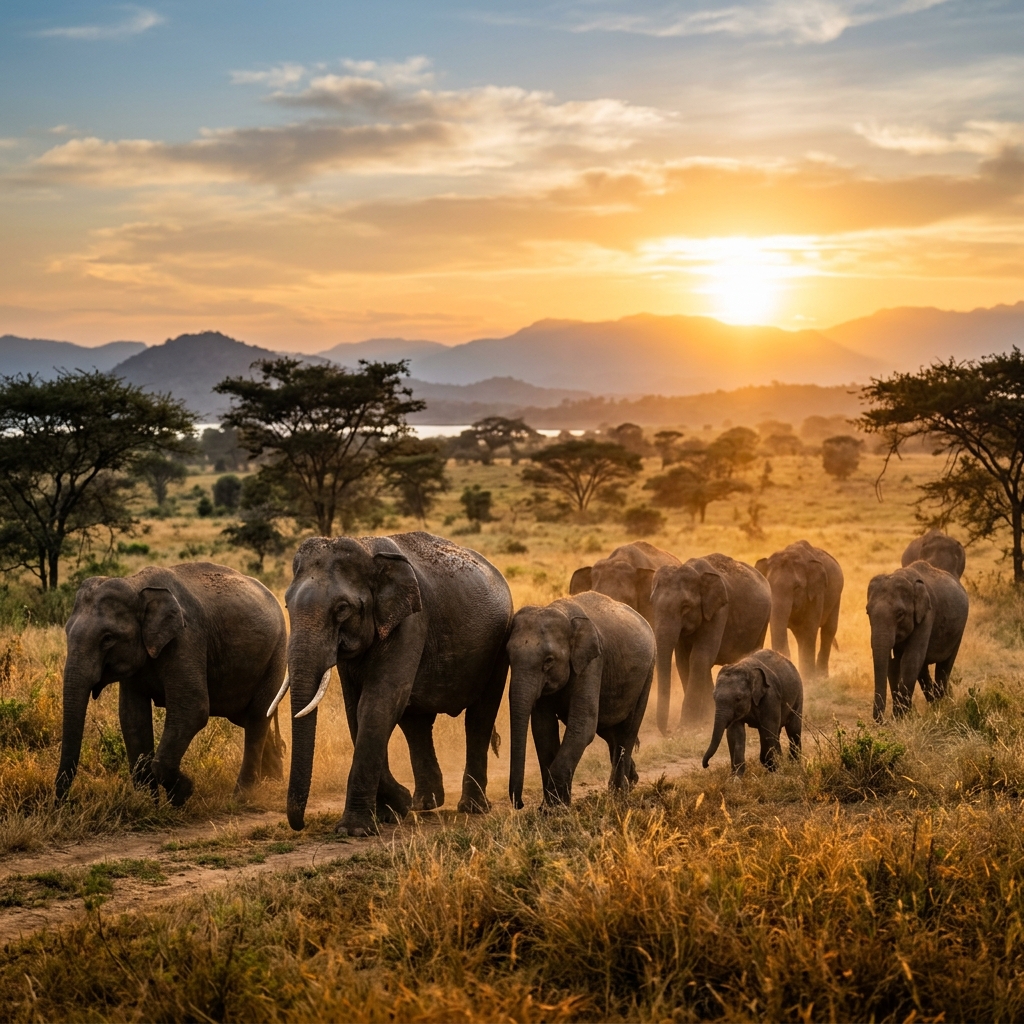
- Day 1 Afternoon: Arrive in Udawalawe, embark on an exhilarating 3.5-hour 4x4 open-top jeep safari inside Udawalawe National Park, watching massive wild elephant herds and leopards at sunset.
- Day 2 Morning: Greet the dawn with a refreshing two-hour kayaking or stand-up paddleboarding expedition on Chandrika Lake, soaking in peaceful waters and birdwatching.
- Day 2 Midday: Enjoy a lavish lakeside lunch and visit the Elephant Transit Home to watch orphaned baby elephant feedings at 12:00 PM.
- Day 2 Afternoon: Conclude your stay with a leisurely village cycling ride or depart toward the southern beaches or central tea country.
Chapter 11: Secret Inlets, Forested Islands & Exploration Loops
For adventurous paddlers who wish to venture beyond the primary shoreline, our guides have mapped several fascinating exploration circuits. On Chandrika Lake, the seven-kilometer *Three Island Circuit* weaves between small uninhabited islets covered in dense bamboo and wild fig trees. These islets serve as predator-free sanctuary roosts for thousands of fruit bats (flying foxes) that hang upside-down like strange black fruit from the highest branches, taking flight in dramatic swirling clouds as evening approaches.
On Hambegamuwa Lake, the secluded *Lotus Canal Route* navigates into a tranquil feeder creek that winds beneath an overhanging canopy of ancient Kumbuk trees. The water here is crystal clear, allowing you to observe submerged schools of endemic freshwater barbs and swimming water monitors directly beneath your kayak hull. Gliding in complete silence beneath the cool jungle canopy, with sunlight filtering through the leaves in shimmering emerald beams, feels like entering an undiscovered prehistoric paradise.
Chapter 12: Environmental Stewardship & Zero-Trace Paddling
Because inland water bodies in Sri Lanka provide essential irrigation water for thousands of downstream farming families and sustain delicate aquatic ecosystems, our water sports operations enforce a strict code of environmental stewardship:
- Zero Motor Emissions: We strictly avoid motorized boats, gasoline outboard engines, and jet skis, ensuring zero chemical fuel leakage, zero oil slicks, and zero underwater noise pollution that could distress breeding fish or waterbirds.
- Wildlife Buffer Protocols: We maintain a respectful, mandatory minimum distance of fifty meters from all nesting bird colonies and eighty meters from any wild elephants drinking on the shoreline. Paddlers are instructed to keep voices in a hushed whisper, never splash aggressively, and never pursue swimming animals.
- Aquatic Weed Awareness: Paddlers take care to avoid disturbing delicate native white water lily beds (*Olu*) and sacred lotus roots, helping prevent the mechanical fragmentation and spread of invasive water hyacinths.
- Clean Lake Initiative: Every paddle group carries a designated mesh marine debris bag, allowing guides and guests to collect floating plastics or discarded rubbish, leaving the waterways cleaner than we found them.
Chapter 13: Water-Level Photography Techniques for Paddlers
Capturing breathtaking photographs while floating on a kayak or paddleboard requires specific techniques to protect your gear and maximize visual impact:
1. Low-Angle Reflections: Position your camera or smartphone barely a few inches above the water's surface to capture striking mirror reflections of distant misty mountain peaks and foreground water lilies. The ultra-low perspective gives images a dramatic, cinematic depth that is impossible to achieve from high lakeshores.
2. Gear Protection: Always secure your camera with a floating wrist lanyard or neck strap. When paddling between locations, keep your gear sealed inside an IPX8-rated waterproof pouch or hard-shell Pelican case tethered to the boat's deck bungees. Never leave loose electronic gear unattached on the deck.
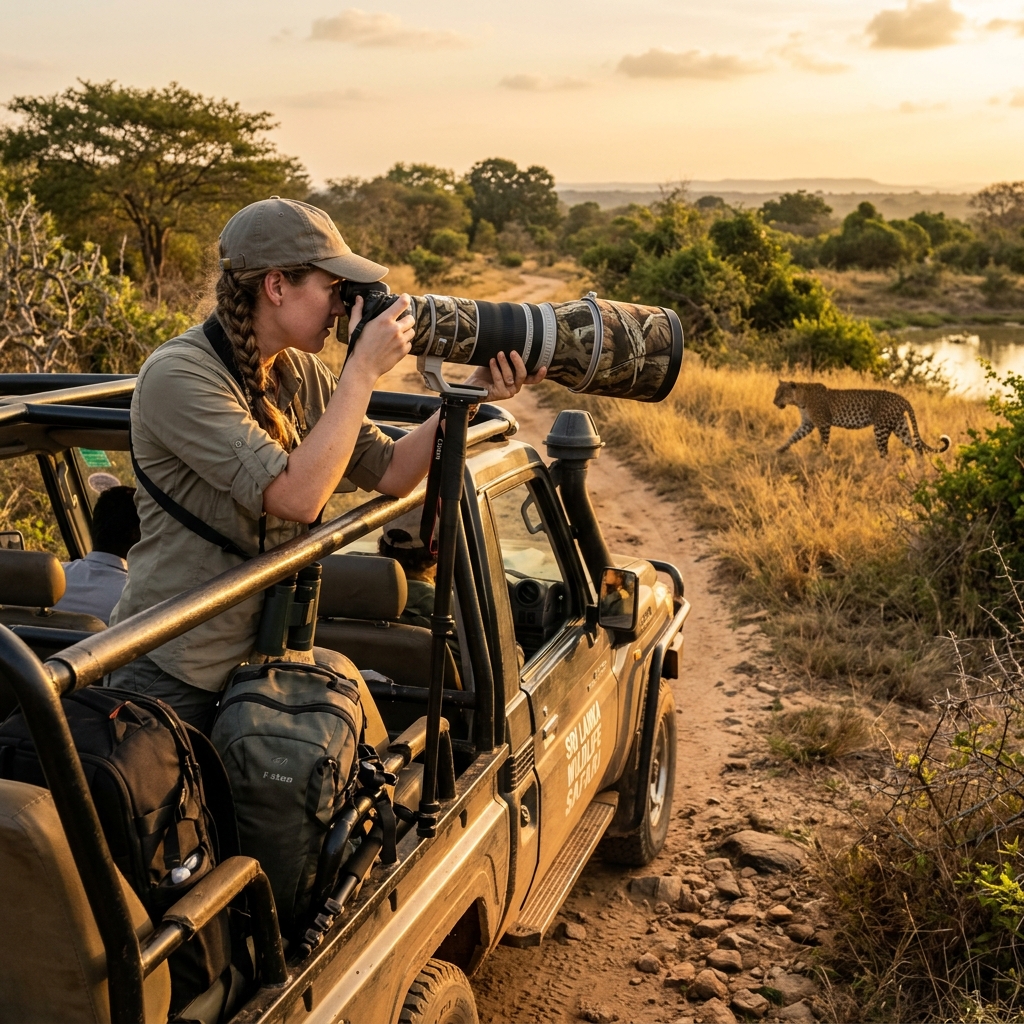
3. High Shutter Speeds: Because the kayak experiences subtle drifting movements and gentle wave action, use shutter speeds of at least 1/1000th of a second for telephoto wildlife shots, ensuring razor-sharp images of diving kingfishers or soaring fish eagles.
Chapter 14: Health & Wellness Benefits of Freshwater Paddling
Beyond the undeniable visual thrills, spending a morning on the water provides extraordinary physiological and psychological health benefits. Kayaking and stand-up paddleboarding deliver a low-impact, full-body cardiovascular workout that engages the core, back, shoulders, and arms without placing damaging stress on knees and joints.
Furthermore, extensive scientific research into "Blue Mind" psychology demonstrates that proximity to open water dramatically reduces cortisol stress levels, lowers blood pressure, and induces a state of calm, meditative mindfulness. Combining physical exertion with the soothing sound of rhythmic water ripples and the warmth of the tropical morning sun creates a deep sense of holistic rejuvenation that revitalizes both body and spirit.
Chapter 15: Family & Youth Paddling Guidelines
Freshwater paddling in Udawalawe is one of the most rewarding outdoor activities for families traveling with children. Because our lakes have zero ocean surf, zero undertows, and minimal current, young paddlers can build aquatic confidence in a completely safe, controlled environment.
Children aged five to nine can ride comfortably in the central seating bay of our tandem sit-on-top kayaks, outfitted with specialized lightweight youth life jackets. They can participate in fun eco-scavenger hunts guided by our staff, spotting colorful dragonflies, identifying kingfisher species, and collecting floating seed pods. Teenagers aged twelve and older can easily pilot their own single kayaks or inflatable paddleboards, fostering self-reliance, teamwork, and an enduring love for the great outdoors.
Chapter 16: Ancient Legends & Folklore of the Water Spirits (*Naga*)
In rural Sabaragamuwa, every lake and river is woven into ancient mythology. According to centuries-old folk beliefs, deep inland reservoirs and river pools are safeguarded by the *Naga*—mystical serpent deities revered as the eternal guardians of freshwater wealth, fertility, and monsoonal rains. Local elders believe that respecting the purity of the water pleases these guardian spirits, ensuring abundant rains and protecting travelers from harm.
When paddling past the ancient granite sluice gates (*Sorowwa*) of historic reservoirs, you can often spot ancient carvings of multi-headed cobras carved into stone embankments by royal stonemasons over a thousand years ago. Listening to your local guide share these enchanting mythical legends while drifting quietly over the ancient submerged ruins adds a profound mystical aura to your morning voyage.
Chapter 17: Post-Paddle Refreshment & Lakeside Gastronomy
After an active morning of paddling across open waters, nothing revives the body quite like authentic local refreshment. Upon pulling your kayaks onto the grassy shoreline, our team welcomes you with freshly hacked golden king coconuts (*Thambili*). Rich in natural potassium, magnesium, and essential electrolytes, chilled king coconut water rehydrates tired muscles instantaneously.
For breakfast, guests are treated to a charming open-air lakeside spread featuring hot coconut hoppers (*Appa*), steaming string hoppers (*Idiyappam*) served with fragrant coconut milk gravy (*Kiri Hodi*), spicy chili sambol (*Lunu Miris*), and sweet jaggery-infused coconut stuffed pancakes (*Pani Pol*). Sipping hot Ceylon spiced tea while watching the morning sun reflect off the calm water you just explored is the ultimate culinary reward for an unforgettable adventure.
Chapter 18: Booking Guidelines & Eco-Friendly Travel Advice
To preserve the fragile aquatic ecology and ensure that all equipment is meticulously inspected and fitted before your arrival, water sports excursions must be reserved at least 24 hours in advance. When booking, inform our team of any specific dietary preferences for your lakeside breakfast, as well as the ages and shoe sizes of all participating family members.
We encourage all travelers to bring reusable water containers, wear reef-safe biodegradable sunscreen that does not harm freshwater micro-organisms, and support our local community boatmen through generous tips. By choosing non-motorized, human-powered water exploration, you champion the future of sustainable, regenerative tourism across Sri Lanka.
Gliding across the tranquil, sun-kissed waters of Udawalawe with paddle in hand, you experience the invigorating freedom, natural beauty, and peaceful soul of wild Sri Lanka.
.png)